Trump repeatedly pressured the Fed to lower interest rates, challenging its independence during his presidency.
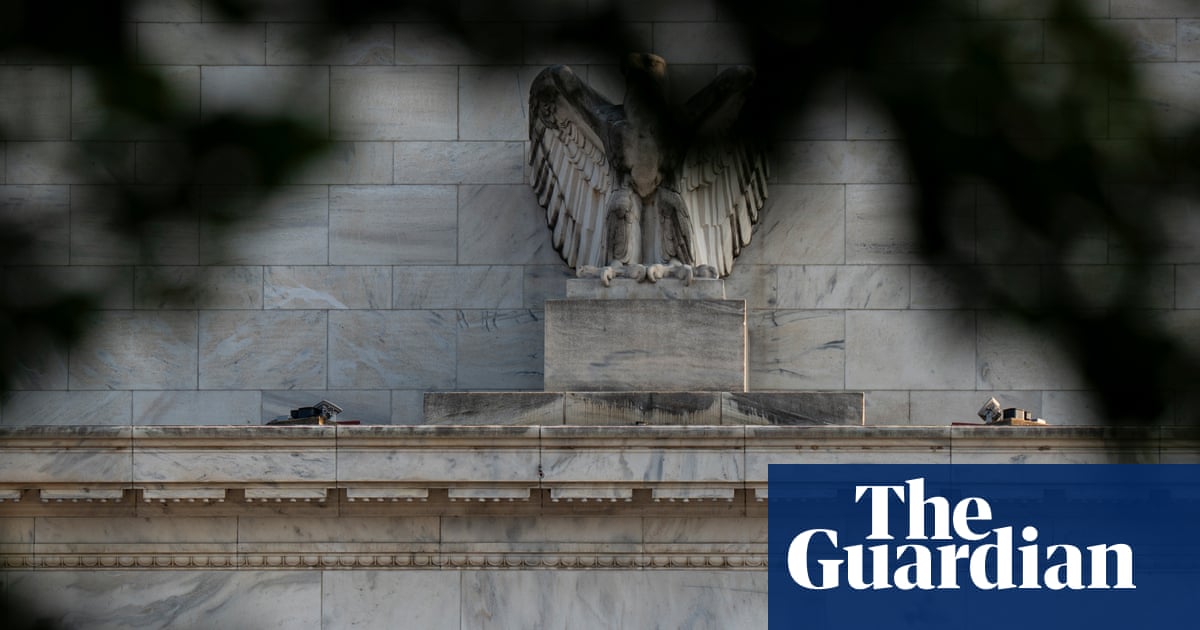
- Trump repeatedly demanded the Fed cut interest rates for political gain
- Powell defended Fed autonomy despite Trump’s public criticism
- Fed’s late inflation response followed by historic rate hikes to curb prices
The Federal Reserve’s independence from political interference has long been a cornerstone of U.S. economic stability. During Donald Trump’s presidency, that autonomy faced its stiffest challenge in decades as the then-president openly pressured the Fed to slash interest rates, arguing that lower borrowing costs would boost his reelection chances. Jerome Powell, who stepped down this week as Fed chair, resisted those demands, drawing Trump’s ire and setting the stage for a broader debate about the Fed’s role in American governance.
Powell’s tenure, which began in 2018, was marked by a mix of successes and missteps. The Fed initially lagged in responding to rising inflation as the Covid-19 pandemic waned in 2021, but it later implemented aggressive rate hikes that achieved what economists call a “soft landing”—cooling prices without triggering a recession or mass layoffs. While monetary policy may not define Powell’s legacy, his vocal defense of the Fed’s independence likely will. His actions underscored the central bank’s obligation to act without political pressure, a principle Trump frequently disregarded.
Trump’s attacks on the Fed were not isolated. He also targeted other independent institutions, including the Justice Department and intelligence agencies, framing them as obstacles to his agenda. His criticism of Powell was particularly personal, calling the Fed chair an “enemy” and demanding his resignation. Behind the scenes, Trump reportedly explored legal avenues to force Powell’s removal, though no such measures were ultimately taken. The episode highlighted the fragility of institutional safeguards when a president views independent agencies as tools to be controlled rather than as checks on power.
The tension between Trump and Powell reached a boiling point in 2019 when the Fed cut rates three times after Trump’s repeated public demands. Critics argued the reductions were politically motivated, while supporters claimed they were necessary to counter global economic slowdowns. The debate exposed a fundamental question: Can a central bank remain impartial when a president insists it align its policies with electoral timelines? Powell’s response—prioritizing economic data over political expediency—offered a partial answer, but the broader implications linger.
Analysts warn that Trump’s approach could embolden future leaders to challenge the Fed’s autonomy. If a president can successfully pressure the central bank, it risks turning monetary policy into a tool for short-term political gain rather than long-term economic stability. The Fed’s next chair will inherit not only Powell’s legacy but also the task of reinforcing its independence in an era where institutional guardrails are increasingly tested.
The broader stakes extend beyond the Fed. Trump’s willingness to disregard norms in his first term suggests he would push even harder in a potential second term. Reports indicate he has discussed plans to assert more direct control over the central bank, including reviving proposals to subject Fed officials to congressional term limits or subjecting rate decisions to congressional approval. Such moves would fundamentally alter the balance of power in U.S. economic governance.
For now, the Fed’s independence remains intact, but its resilience has been questioned like never before. Powell’s departure marks the end of one era, but the fight to preserve the Fed’s autonomy is far from over. The next chair—expected to be announced later this year—will inherit a central bank that has been thrust into the political spotlight, where every decision could be scrutinized through the lens of electoral politics rather than economic necessity.
What You Need to Know
- Source: The Guardian
- Published: May 15, 2026 at 11:00 UTC
- Category: Business
- Topics: #guardian · #business · #economy · #politics · #government · #jerome-powell
Read the Full Story
This is a curated summary. For the complete article, original data, quotes and full analysis:
All reporting rights belong to the respective author(s) at The Guardian. GlobalBR News summarizes publicly available content to help readers discover the most relevant global news.
Curated by GlobalBR News · May 15, 2026
🇧🇷 Resumo em Português
O presidente Donald Trump voltou a pressionar a independência do Federal Reserve (Fed), reacendendo um debate histórico sobre quem realmente controla a política monetária nos Estados Unidos. Em um movimento que pode redefinir o rumo da economia global, o ex-líder americano, agora candidato à reeleição, sugere que, se reconduzido ao poder, teria poder de influência sobre as decisões de juros da autoridade monetária.
A polêmica não é apenas interna aos EUA, mas reverbera fortemente no Brasil e em outros países emergentes. Isso porque, historicamente, as decisões do Fed — como a definição das taxas de juros — afetam diretamente os fluxos de capital global, o câmbio e até mesmo as políticas econômicas locais, como a taxa Selic. Se Trump conseguir impor suas vontades ao banco central americano, a volatilidade nos mercados financeiros globais poderia aumentar, com reflexos imediatos na inflação e no crescimento de nações dependentes de dólares, como o Brasil. Especialistas já alertam que uma Fed mais politizado poderia minar a credibilidade da instituição, gerando incertezas em um cenário já fragilizado pela instabilidade geopolítica.
O desfecho dessa batalha entre Trump e o Fed ainda é incerto, mas uma coisa é clara: a forma como o banco central americano conduzirá a política monetária a partir de 2025 — seja com autonomia ou sob pressão política — definirá não só o futuro da economia dos EUA, mas também o destino de milhões de brasileiros.
🇪🇸 Resumen en Español
El expresidente Donald Trump vuelve a ejercer presión sobre la Reserva Federal (Fed), desafiando su histórica autonomía para influir en las decisiones monetarias que definen el rumbo económico de EE.UU. y, por extensión, el del mundo.
Esta escalada de tensiones entre el poder político y el banco central no es casual: Trump ha criticado abiertamente a la Fed en el pasado por no alinearse con sus objetivos de crecimiento, y su retórica sugiere que, de regresar a la Casa Blanca, podría impulsar reformas para someterla a un mayor control político. Para los hispanohablantes, especialmente en América Latina, el impacto sería doble: por un lado, una Fed más intervenida podría priorizar estímulos cortoplacistas que distorsionen los mercados globales, afectando el valor del dólar y, con ello, las economías emergentes; por otro, la pérdida de credibilidad en la institución erosionaría la estabilidad financiera, un pilar clave para las remesas y el comercio internacional. La independencia de los bancos centrales, hasta ahora un dogma en la ortodoxia económica, podría quedar en entredicho, reabriendo debates sobre el equilibrio entre democracia y rigor técnico en la política monetaria.
The Guardian
Read full article at The Guardian →This post is a curated summary. All rights belong to the original author(s) and The Guardian.
Was this article helpful?



Discussion