Air Force MQ-9 Reaper fleet drops to 135 drones after combat losses but maintains 56 global combat lines.
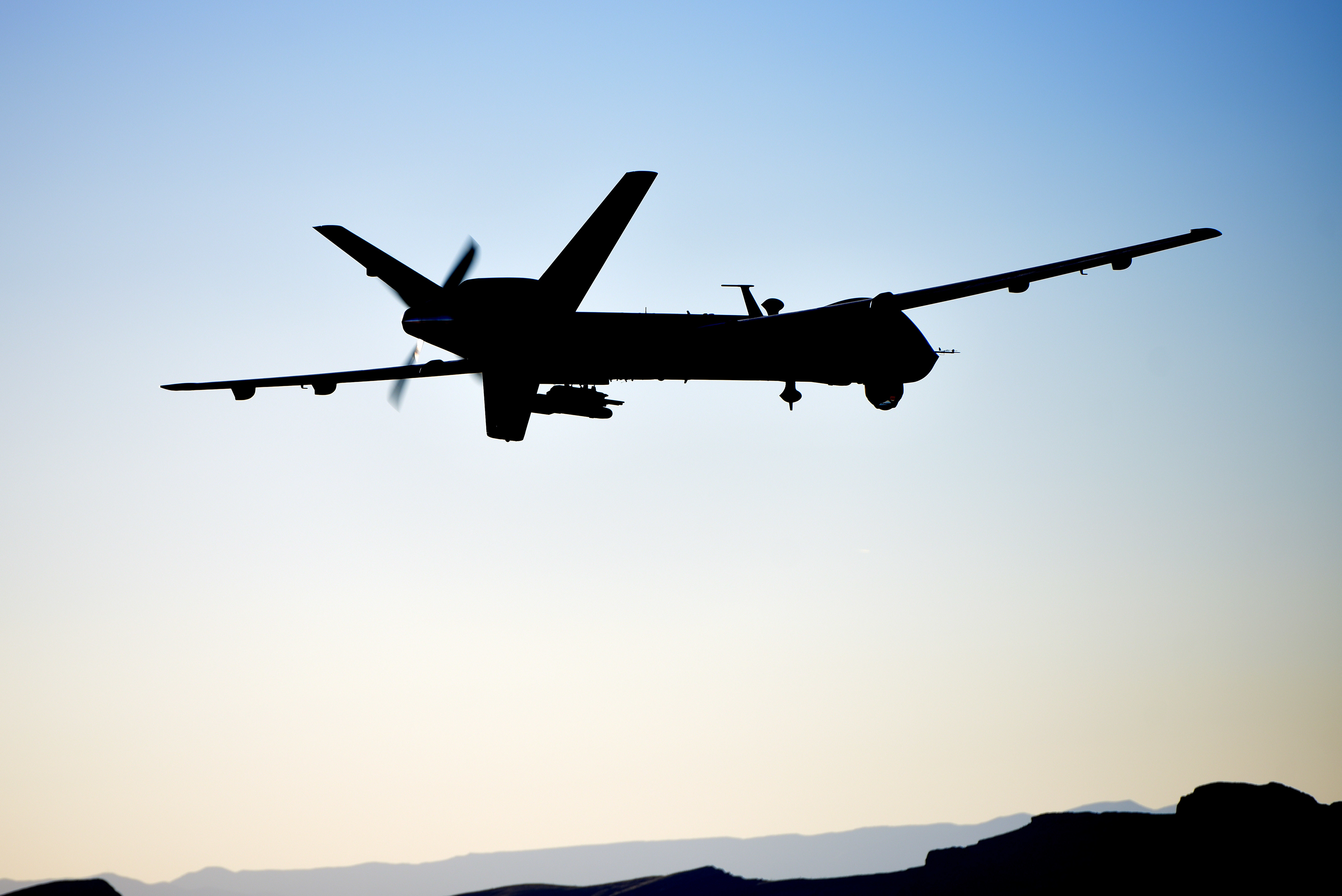
- Air Force MQ-9 Reaper fleet shrinks to 135 aircraft after combat losses
- Service still meets 56 global combat lines despite attrition
- Air Force seeks cheaper, more expendable replacement drones
The U.S. Air Force’s MQ-9 Reaper fleet has fallen to roughly 135 aircraft after combat attrition from Operation Epic Fury, the deputy chief of staff for plans and programs told senators Tuesday. Lt. Gen. David Tabor U.S. Air Force confirmed the reduction during testimony before the Senate Armed Services Subcommittee on Airland, but stressed the service’s ability to maintain critical operations worldwide.
Tabor told lawmakers the fleet remains capable of fulfilling its contract of 56 combat lines—continuous intelligence, surveillance and reconnaissance orbits maintained for combatant commanders globally. The Air Force is now pursuing options to backfill lost aircraft and field a cheaper, more expendable replacement for the MQ-9 Reaper, which has borne the brunt of recent drone operations.
Senate questions focus on drone fleet resilience
Sen. Kevin Cramer, R-N.D., opened questioning by citing long-standing concerns over the MQ-9 fleet’s sustainability. Cramer pressed Tabor on whether the attrition rate posed risks to the service’s global ISR posture, particularly in high-threat regions. Tabor responded that the Air Force is adjusting operations to mitigate gaps while accelerating acquisition of next-generation systems.
The MQ-9 Reaper, a medium-altitude long-endurance drone developed by General Atomics Aeronautical Systems, has been the backbone of U.S. unmanned aerial operations for over two decades. Its primary roles include strike missions, surveillance and reconnaissance, often operating in contested environments where manned aircraft face higher risks.
Attrition and replacement strategies emerge
The reduction in MQ-9 numbers follows recent combat losses attributed to adversarial actions, including engagements in the Middle East. The Air Force has not disclosed the exact number of drones lost, but the fleet’s decline reflects the growing strain on unmanned systems amid sustained operations.
Tabor did not specify a timeline for fielding a replacement but indicated the service is evaluating options to improve fleet resilience. These may include modifying existing MQ-9s, accelerating development of the MQ-25 Stingray unmanned aerial refueling system, or investing in lower-cost, attritable systems designed for high-risk missions.
Global ISR posture remains a priority
Despite the fleet reduction, the Air Force insists the 56 combat lines remain fully operational. These orbits provide continuous coverage for combatant commanders, supporting counterterrorism, monitoring adversarial movements and gathering intelligence in key regions.
The service’s ability to sustain this posture hinges on rapid replenishment and innovation. Tabor acknowledged that while the MQ-9 remains effective, its vulnerabilities in contested airspace have prompted a broader reevaluation of unmanned systems’ roles in future conflicts.
The Air Force’s next steps include finalizing replacement strategies and ensuring minimal disruption to global ISR operations. Lawmakers are expected to continue pressing for details on fleet resilience and modernization plans in coming hearings.
What You Need to Know
- Source: Defense News
- Published: May 13, 2026 at 18:15 UTC
- Category: War
- Topics: #defense · #military · #pentagon · #war · #nato · #air-force
Read the Full Story
This is a curated summary. For the complete article, original data, quotes and full analysis:
All reporting rights belong to the respective author(s) at Defense News. GlobalBR News summarizes publicly available content to help readers discover the most relevant global news.
Curated by GlobalBR News · May 13, 2026
Related Articles
- Wembanyama’s Spurs reach Western finals, Pistons stay alive in NBA playoffs
- 🎉 250 Articles in War!
- 🎉 100 Articles in War!
🇧🇷 Resumo em Português
O drone MQ-9 Reaper, peça-chave da estratégia militar dos EUA no Oriente Médio, enfrenta uma crise sem precedentes: a frota caiu para apenas 135 aeronaves após perdas em combate, um número alarmante para uma força que mantém 56 linhas de frente globais. A redução forçou a Força Aérea americana a buscar substitutos urgentes, enquanto tenta preservar sua capacidade operacional em meio a crescentes tensões regionais.
A notícia ganha contornos ainda mais relevantes quando se considera o impacto indireto sobre o Brasil, que tem expandido sua própria frota de drones, sobretudo para missões de vigilância na Amazônia e fronteiras. Embora não diretamente afetado, o episódio levanta questões sobre a dependência tecnológica brasileira em equipamentos de defesa e a necessidade de investimentos em indústria local. Além disso, serve como alerta para os riscos de operar drones em zonas de conflito, um cenário que poderia se repetir em outras regiões do mundo.
Enquanto os EUA buscam repor as perdas com novos contratos, o episódio reforça a importância de estratégias de defesa autônomas e a necessidade de o Brasil acelerar seus projetos de desenvolvimento próprio na área.
🇪🇸 Resumen en Español
La flota de drones MQ-9 Reaper de la Fuerza Aérea estadounidense se reduce a 135 unidades tras las pérdidas en combate contra Irán, un revés que redefine su capacidad operativa global.
Este declive, producto de la alta demanda en conflictos como el de Ucrania y Oriente Medio, obliga a Washington a acelerar la reposición de estas plataformas, clave en misiones de vigilancia y ataque. Para Hisponohablantes, la noticia subraya el impacto de los drones en la estrategia militar moderna y el riesgo de desgaste en teatros de alta tensión, donde la precisión tecnológica y la sostenibilidad logística son decisivas.
Defense News
Read full article at Defense News →This post is a curated summary. All rights belong to the original author(s) and Defense News.
Was this article helpful?



Discussion