Keir Starmer's leadership crumbles after worse-than-feared UK election results spark Labour infighting.
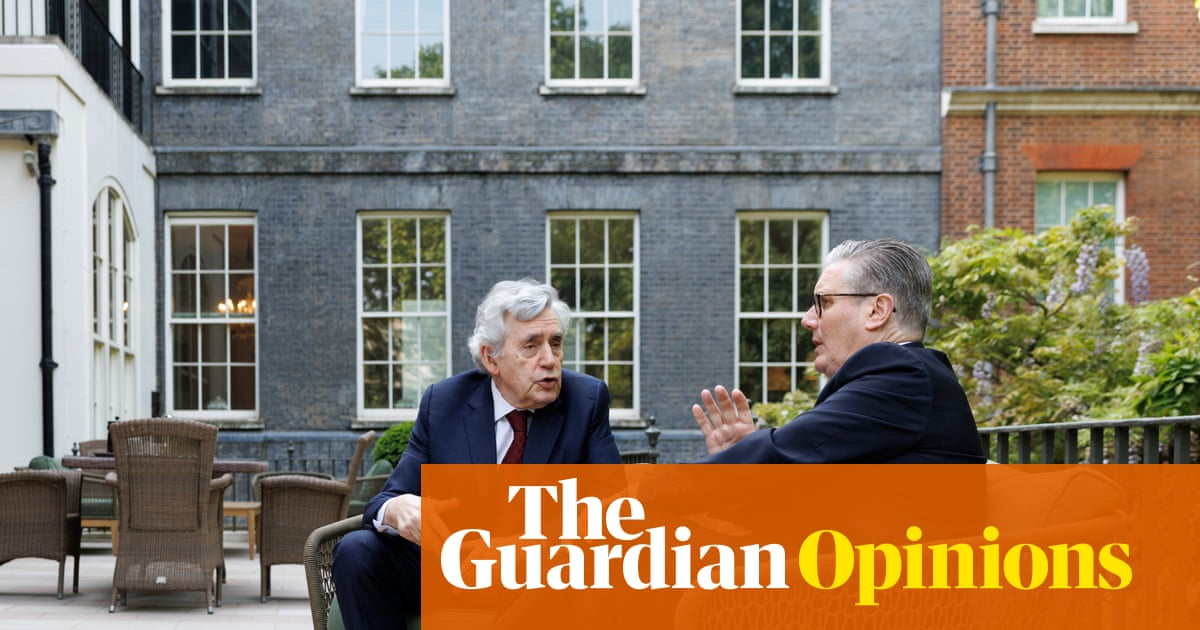
- Labour MPs split over Starmer's future after election losses
- Tories show ruthless leadership removal tactics contrast Labour indecision
- Poor results exceed feared expectations for drama and scale
Keir Starmer’s leadership faced its most severe test after UK local election results revealed deeper-than-expected losses for Labour. The results, long anticipated as a high-risk moment for the party, delivered a level of drama that surpassed even the bleakest forecasts. While the Conservative Party has a history of swiftly removing underperforming leaders, Labour MPs remain paralyzed by indecision over whether Starmer’s fate is a tragedy, a comedy, or a mix of both.
The electoral setback wasn’t just a setback—it was a wake-up call that exceeded expectations. Labour strategists had braced for losses, but the scale of the defeat introduced new variables into the party’s internal calculations. The timing, coinciding with a period of heightened scrutiny, left Starmer exposed to intensified criticism from within his own ranks. MPs now grapple with whether the party’s future lies in continuity or a dramatic shift in direction.
Tory ruthlessness in leadership removals stands in stark contrast to Labour’s hesitation. The Conservatives have repeatedly demonstrated their willingness to oust leaders perceived as electoral liabilities, most recently with Liz Truss’s brief and disastrous tenure in 2022. Labour, however, appears trapped in a cycle of internal debate, with factions unable to coalesce around a clear alternative. The result is a leadership crisis without resolution, leaving Starmer’s position increasingly tenuous.
The drama unfolding within Labour reflects broader anxieties about electability. Starmer, who took over after Jeremy Corbyn’s 2019 election defeat, has struggled to distance the party from its past controversies while defining a compelling forward agenda. Critics argue that the recent losses signal deeper dissatisfaction with Labour’s current trajectory, while supporters insist the party remains on the right path despite setbacks.
Labour’s internal divisions deepen amid leadership questions
MPs are divided between those who advocate for steadfast support of Starmer and those pushing for a rapid change in leadership. The lack of consensus has paralyzed decision-making, with neither camp able to secure a decisive majority. This paralysis risks prolonging the uncertainty, further undermining Labour’s electoral prospects ahead of the next general election.
Historically, Labour has been slower to act on leadership challenges compared to the Conservatives. The party’s last successful internal coup occurred in 1992 when Neil Kinnock resigned after losing the general election. Since then, Labour has preferred stability, even at the cost of prolonged underperformance. The current crisis tests whether that approach remains viable in an era of heightened political volatility.
What happens next for Keir Starmer and Labour?
Starmer’s immediate future hinges on whether Labour MPs can overcome their divisions. If the party fails to unite behind a clear strategy, the pressure on Starmer to step aside will intensify. The alternative—doubling down on his leadership—risks further electoral erosion if the public perceives Labour as rudderless. Meanwhile, the Conservatives are poised to exploit the chaos, positioning themselves as the only viable option for voters seeking stability.
For now, Labour remains in a state of suspended animation, with no clear path forward. The election results have exposed fault lines that go beyond mere policy disagreements, revealing fundamental questions about the party’s identity and direction. Until those questions are answered, Starmer’s leadership—and Labour’s electoral prospects—will remain in limbo.
What You Need to Know
- Source: The Guardian
- Published: May 15, 2026 at 10:27 UTC
- Category: Politics
- Topics: #guardian · #politics · #war · #conflict · #digested
Read the Full Story
This is a curated summary. For the complete article, original data, quotes and full analysis:
All reporting rights belong to the respective author(s) at The Guardian. GlobalBR News summarizes publicly available content to help readers discover the most relevant global news.
Curated by GlobalBR News · May 15, 2026
Related Articles
- Legal history shows why war crimes often go unpunished worldwide
- UK borrowing costs rise and pound falls as leadership drama continues
- UK backs human rights plan to accelerate illegal migration removals
🇧🇷 Resumo em Português
O líder trabalhista britânico Keir Starmer mergulha em uma crise interna após resultados eleitorais decepcionantes, que reacendem as especulações sobre sua permanência no comando do partido. O desempenho aquém das expectativas nas urnas não apenas abalou a confiança nas fileiras do Labour, como também abriu espaço para críticas à estratégia política de Starmer, vistas por muitos como excessivamente cautelosas e distantes das demandas populares.
No Brasil, onde a política britânica frequentemente serve de espelho para analisar dinâmicas partidárias e crises de liderança, o caso ganha relevância ao evidenciar os riscos de uma gestão que prioriza a moderação em detrimento de propostas mais ousadas. Especialistas brasileiros veem paralelos com a política nacional, onde partidos de centro-esquerda também enfrentam dificuldades para mobilizar eleitores em um cenário de polarização e desgaste institucional. A situação no Reino Unido reforça o debate sobre a capacidade de partidos tradicionais de se reinventarem diante de crises de representatividade, um tema recorrente também no contexto brasileiro. Nos próximos dias, a expectativa é que as bancadas do Labour comecem a se movimentar, seja para pressionar por mudanças ou para consolidar apoio ao atual líder.
🇪🇸 Resumen en Español
El líder laborista Keir Starmer afronta una crisis interna sin precedentes tras unos resultados electorales en Reino Unido que han dejado a su partido muy por debajo de las expectativas. La debacle en las urnas ha reavivado las críticas dentro de las filas laboristas y ha abierto un intenso debate sobre el futuro de su dirección.
El mal desempeño electoral ha exacerbado las tensiones en el seno del Labour, donde algunos diputados cuestionan la estrategia de Starmer, comparando su gestión con la implacabilidad de los conservadores. Este revés no solo amenaza su liderazgo, sino que también pone en jaque la credibilidad del partido de cara a futuros comicios, mientras los votantes exigen respuestas claras sobre un rumbo que muchos consideran demasiado tibio.
The Guardian
Read full article at The Guardian →This post is a curated summary. All rights belong to the original author(s) and The Guardian.
Was this article helpful?

Discussion