Polling reveals Trump voter remorse is strongest among 2024 swing voters who now regret their 2024 support.
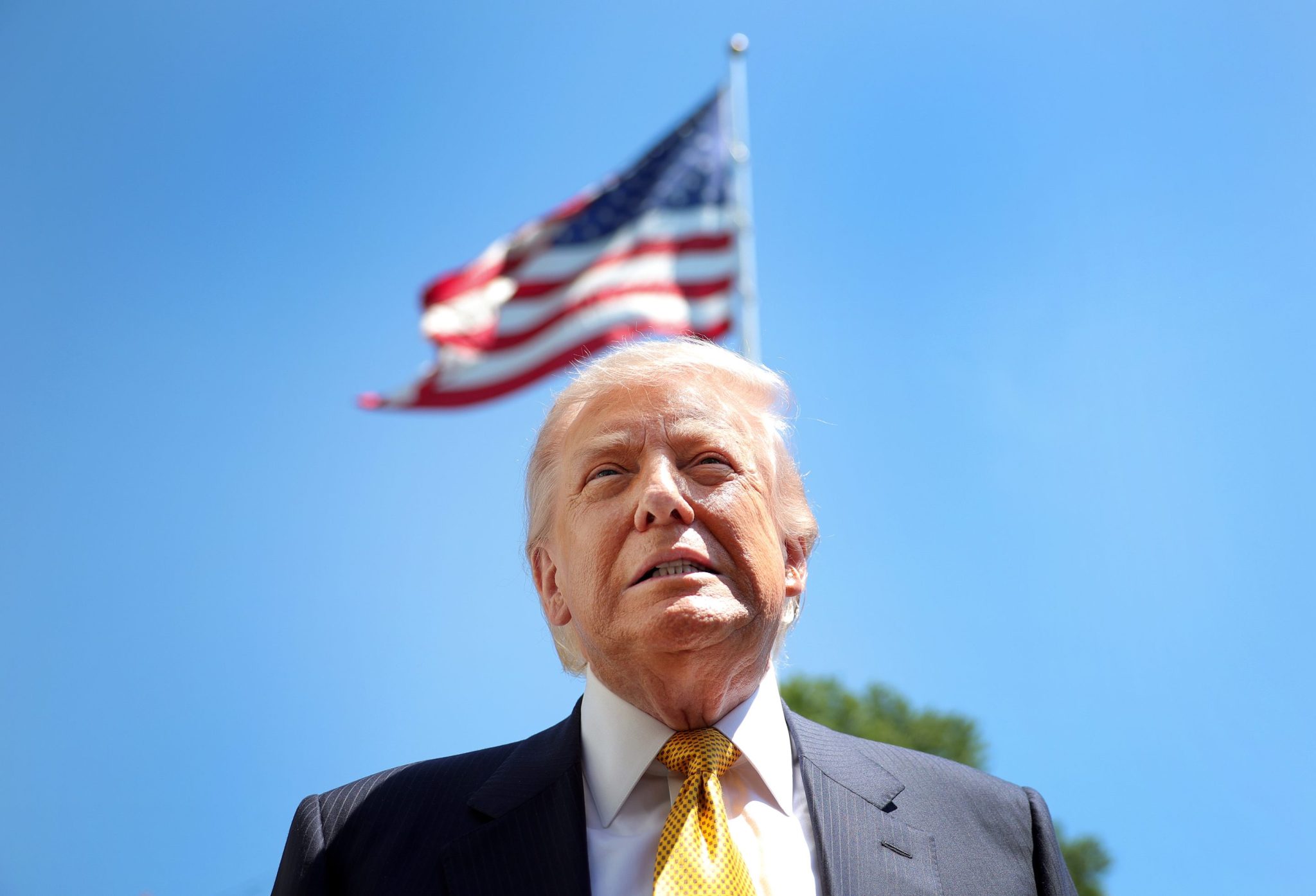
- Swing voters who backed Trump in 2024 now show highest remorse levels
- Former Trump allies including Tucker Carlson admit regret over 2024 support
- Remorse tied to Trump's handling of Iran war, economy and Epstein ties
Voter regret for backing Donald Trump in 2024 is overwhelmingly concentrated among swing voters who took a chance on the former president this election cycle, according to new polling data. The trend emerges as prominent conservatives who previously stood firmly behind Trump now publicly express remorse over their support, citing concerns about his handling of the Iran conflict, economic policies and his relationship with convicted sex offender Jeffrey Epstein.
Political commentator Tucker Carlson, once one of Trump’s most vocal supporters, delivered a rare public mea culpa in April 2026. “It’s not enough to say, well, I changed my mind – or like, oh, this is bad, I’m out,” Carlson told reporters. “I will be tormented by my support for Trump for a long time. I’m sorry for misleading people.” His comments reflect a broader shift among former Trump allies questioning their endorsement.
Swing voters shift away from Trump
The polling, conducted by political research firms over the past three months, indicates that voter remorse is not uniform across demographics. Instead, it is heavily concentrated among independent and undecided voters who cast ballots for Trump in 2024, hoping for a change from traditional political outcomes. These voters now cite disappointment in Trump’s approach to international conflicts, domestic economic challenges and transparency issues as primary reasons for their regret.
Among the issues drawing criticism, Trump’s handling of the U.S. response to regional conflicts in the Middle East ranked highest in voter dissatisfaction. Economic concerns, particularly inflation and job growth, also topped the list of grievances. The revelation of previously undisclosed information regarding Trump’s relationship with Epstein further eroded confidence among swing voters, according to poll respondents.
Former allies question Trump’s judgment
Former U.S. Representative Marjorie Taylor Greene has been vocal about her shifting perspective on Trump, criticizing his foreign policy decisions and questioning his leadership on key domestic issues. Journalist Megyn Kelly, a frequent Trump ally during his presidency, has also expressed concern over his recent public statements and policy directions, signaling a potential realignment among media figures who once defended him.
The public expressions of regret come as Trump’s approval ratings among critical swing states have dipped below pre-election expectations. Pollsters note that while core supporters remain loyal, the defection of swing voters threatens to undermine Trump’s political standing heading into the final stretch of his term.
Long-term impact on Trump’s base
Political analysts warn that the concentrated voter remorse among swing voters could have lasting consequences for Trump’s political future. The erosion of support among independents and undecided voters risks weakening his ability to govern effectively or mount a successful re-election bid. The trend also raises questions about the sustainability of Trump’s coalition, which has relied heavily on mobilizing swing voters in key battleground states.
The polling data suggests that Trump’s base remains solid, with his most ardent supporters undeterred by recent controversies. However, the shift among swing voters highlights the fragility of his political support and the potential for further erosion if current trends continue. Political strategists are closely monitoring the situation, as the loss of even a small percentage of swing voters could significantly alter the electoral landscape.
With the 2024 election results still fresh, the growing wave of voter remorse among swing voters underscores the challenges Trump faces in maintaining broad-based support. The coming months will determine whether this trend solidifies into a lasting shift in voter sentiment or fades as new issues and developments reshape the political landscape.
What You Need to Know
- Source: Fortune
- Published: May 16, 2026 at 14:50 UTC
- Category: Business
- Topics: #fortune · #business · #economy · #war · #conflict · #trump
Read the Full Story
This is a curated summary. For the complete article, original data, quotes and full analysis:
All reporting rights belong to the respective author(s) at Fortune. GlobalBR News summarizes publicly available content to help readers discover the most relevant global news.
Curated by GlobalBR News · May 16, 2026
Related Articles
- Kevin O’Leary: Gen Z founders working 18-hour days make ‘no sense’
- Lawyers sanctioned $110K for fake AI citations in landmark Oregon case
- Taiwan arms sales top Trump-Xi talks agenda as Xi meet ends
🇧🇷 Resumo em Português
O número de eleitores que agora lamentam ter apoiado Donald Trump em 2024 cresce entre os indecisos que podem definir o resultado da eleição, segundo nova pesquisa. O arrependimento, que já atinge figuras conservadoras como Tucker Carlson, acende um sinal amarelo no Partido Republicano, revelando uma divisão preocupante na base que pode redefinir a disputa presidencial.
A pesquisa, realizada nos últimos dias, mostra que o chamado “voter remorse” — a sensação de arrependimento do voto — não é mais um fenômeno isolado, mas sim um movimento que ganha força entre os eleitores de estados-chave, tradicionalmente disputados e decisivos para a vitória. Especialistas ouvidos pela imprensa americana destacam que, em 2024, a economia, a inflação e a polarização política pesaram na decisão de muitos, que agora avaliam com mais cautela o legado de Trump. No Brasil, onde a eleição americana é acompanhada de perto por sua influência global, o fenômeno reforça discussões sobre como a insatisfação popular pode reconfigurar alianças e estratégias políticas no futuro próximo.
Se o arrependimento se espalhar, a campanha de Trump pode enfrentar um revés difícil de reverter, enquanto a oposição deve explorar esse clima de incerteza para ampliar seu apelo junto ao eleitorado indeciso.
🇪🇸 Resumen en Español
El descontento entre los votantes de Trump que ahora lamentan su decisión en las presidenciales de 2024 se dispara, especialmente entre los indecisos clave para los comicios de noviembre. Un reciente sondeo revela que el arrepentimiento crece entre quienes apoyaron al expresidente, incluyendo figuras conservadoras como Tucker Carlson, cuestionando el rumbo del partido republicano.
El fenómeno refleja un malestar más profundo en el electorado tradicional de Trump, que ahora cuestiona su estrategia y promesas incumplidas, mientras los votantes swing —decisivos en estados como Pensilvania o Michigan— se alejan de su figura. Con las elecciones a la vuelta de la esquina, el desgaste de su candidatura podría redefinir el mapa político estadounidense y abrir brechas en el bloque conservador.
Fortune
Read full article at Fortune →This post is a curated summary. All rights belong to the original author(s) and Fortune.
Was this article helpful?



Discussion