Scientists breed new apple varieties to withstand climate change impacts like heat and drought.
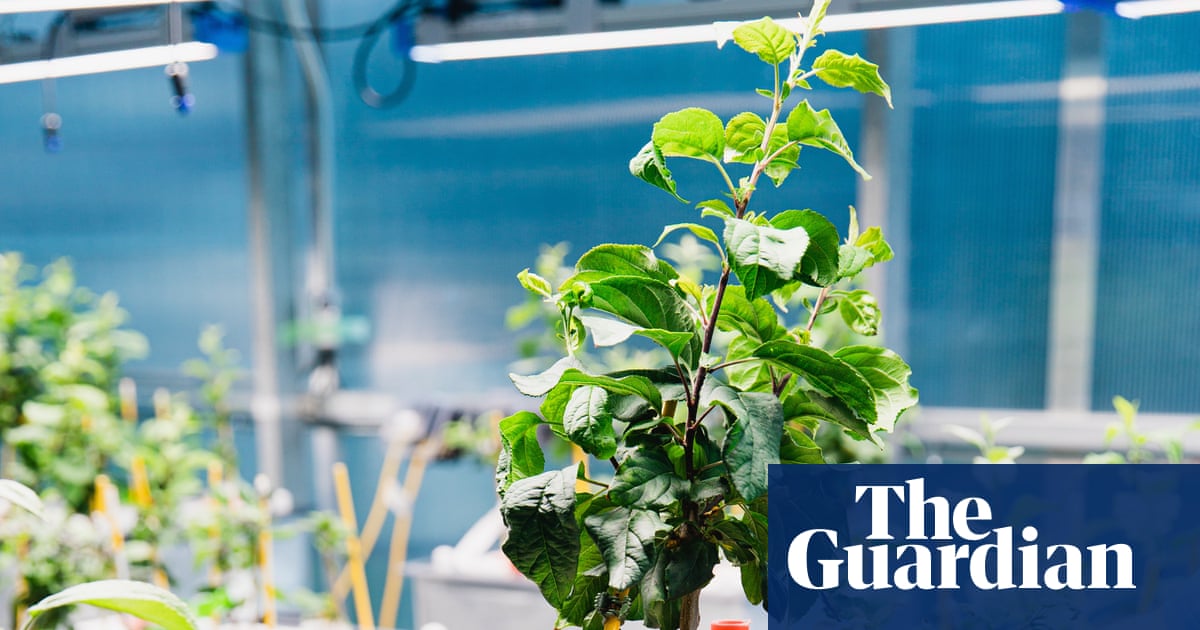
- Scientists breed apples resistant to extreme weather and drought
- 2015 Valentine’s Day freeze destroyed 90% of New York orchards
- Researchers use genetic tools to develop hardy apple varieties
Terence Robinson, a Cornell University horticulture professor, still calls the 2015 Valentine’s Day thaw-and-freeze cycle the “Valentine’s Day Massacre” — but not because of gangsters. The sudden temperature swing, from 60°F to below freezing in hours, killed 90% of the apple buds in his New York orchards, crippling the season’s crop. For Robinson and growers across the northeastern United States, the event underscored a growing threat: climate change is making apple production more unpredictable and perilous.
Apple trees require a delicate balance of cold winters and consistent spring warmth to produce high yields. But wild temperature swings, prolonged droughts, and shifting growing seasons are disrupting that balance. Robinson and other researchers are now racing to develop apple varieties that can endure these stressors. Their work is part of a broader push to secure the future of apple farming as global temperatures rise and weather patterns destabilize.
Breeding for resilience
At Cornell’s New York State Agricultural Experiment Station, Robinson and his team are using traditional breeding techniques combined with genetic tools to create apples that can tolerate heat, drought, and late frosts. One promising line comes from wild apple species native to Central Asia, which evolved to survive in harsh, arid conditions. By crossing these with commercial varieties, researchers aim to transfer resilience traits like deep root systems and heat tolerance.
Elsewhere, scientists at the USDA’s Appalachian Fruit Research Station are testing new varieties that require less water and mature earlier to avoid late-spring frosts. Early results show some experimental apples can produce marketable fruit with 30% less irrigation and survive temperatures down to 14°F without bud damage. These traits could protect growers from the kind of losses seen in 2015.
Climate change hits orchards hard
Apple production is particularly vulnerable to climate shifts. A 2022 study in Nature Climate Change found that for every 1°C rise in global temperature, apple yields could drop by 4% to 12% in key growing regions. Warmer winters reduce the chilling hours trees need to break dormancy, leading to poor flowering and fruit set. Meanwhile, heatwaves during the growing season can scald fruit, reducing quality and market value. Droughts, exacerbated by rising temperatures, further strain orchards already struggling with water scarcity.
The problem isn’t limited to the U.S. In Europe, apple growers in Italy and France face similar challenges. A 2023 report from the European Environment Agency warned that without adaptation, Southern Europe’s apple industry could shrink by 25% by 2050. Growers are experimenting with high-density planting, shade nets, and even moving orchards to higher elevations where temperatures are cooler. But these measures are costly and not always feasible.
Trade-offs and challenges
Developing climate-resilient apples is a slow process. Apple trees take 5 to 10 years to bear fruit, so breeders must plan decades ahead. Additionally, resilient varieties must also meet consumer demands for taste, texture, and storage life. Robinson’s team is testing experimental apples for flavor and crispness, ensuring they don’t sacrifice quality for survival.
Consumer acceptance is another hurdle. Some growers worry that new varieties will face resistance if they look or taste different from familiar favorites like Honeycrisp or Gala. Education campaigns and marketing will be essential to bridge this gap. Meanwhile, retailers and processors are increasingly demanding apples that can withstand long-distance shipping and extended storage — another challenge for breeders.
What’s next for apple growers
Robinson and colleagues are expanding their trials to include more wild apple species and advanced genetic techniques like CRISPR. The goal is to accelerate the breeding process and introduce traits like disease resistance alongside climate resilience. Some new varieties may reach commercial orchards within the next five years, but widespread adoption could take a decade or more.
For now, growers are adopting interim strategies. Many are diversifying their crops, planting peaches, cherries, or berries alongside apples to spread risk. Others are investing in irrigation efficiency and soil health to better cope with drought. Policymakers are also stepping in, offering grants and subsidies for climate adaptation projects.
The future of apples depends on balancing innovation with tradition. As Robinson puts it, “We’re not just growing fruit anymore. We’re growing solutions.”
What You Need to Know
- Source: The Guardian
- Published: May 13, 2026 at 17:00 UTC
- Category: Environment
- Topics: #guardian · #climate · #environment · #drought · #roots · #scientists
Read the Full Story
This is a curated summary. For the complete article, original data, quotes and full analysis:
All reporting rights belong to the respective author(s) at The Guardian. GlobalBR News summarizes publicly available content to help readers discover the most relevant global news.
Curated by GlobalBR News · May 13, 2026
🇧🇷 Resumo em Português
O Brasil, que já enfrenta desafios crescentes com secas e temperaturas extremas em suas principais regiões agrícolas, agora vê uma luz no fim do túnel com uma inovação que pode transformar não só a produção de maçãs, mas todo o setor frutícola nacional. Cientistas ao redor do mundo têm se debruçado sobre um problema cada vez mais urgente: como manter as lavouras de maçã viáveis diante das mudanças climáticas, que já começam a reduzir safras e aumentar os custos de produção. A solução pode estar no desenvolvimento de variedades de maçãs mais resistentes ao calor e à seca, uma estratégia que promete aliar ciência de ponta e sustentabilidade para garantir o futuro das frutas que chegam à mesa dos brasileiros.
O Brasil, embora não seja um grande produtor global de maçãs — concentradas principalmente no Sul do país, em estados como Santa Catarina e Rio Grande do Sul —, depende fortemente dessa cultura para sua economia rural e segurança alimentar. Com o agravamento das mudanças climáticas, as projeções indicam que as regiões tradicionais de cultivo podem se tornar inviáveis nas próximas décadas, ameaçando milhares de empregos e a renda de pequenos produtores. Nesse contexto, a pesquisa por variedades geneticamente adaptadas ganha importância não só para o setor, mas também como um exemplo de como a ciência pode ajudar o país a se adaptar a um cenário climático cada vez mais hostil. Além disso, a iniciativa reforça a necessidade de investimentos em inovação agrícola, especialmente em um momento em que a sociedade cobra soluções verdes e resilientes.
Se os resultados forem promissores, a próxima década pode testemunhar uma verdadeira revolução nas prateleiras dos supermercados e nas feiras livres, com maçãs brasileiras mais resistentes e acessíveis, mesmo em tempos de crise climática.
The Guardian
Read full article at The Guardian →This post is a curated summary. All rights belong to the original author(s) and The Guardian.
Was this article helpful?
Discussion