Skip raw egg coffee to avoid Salmonella risk, experts say.
- Skip raw eggs in egg coffee to prevent Salmonella risk
- Egg coffee contains high sugar and saturated fat levels
- Experts recommend pasteurized eggs or alternatives for safety
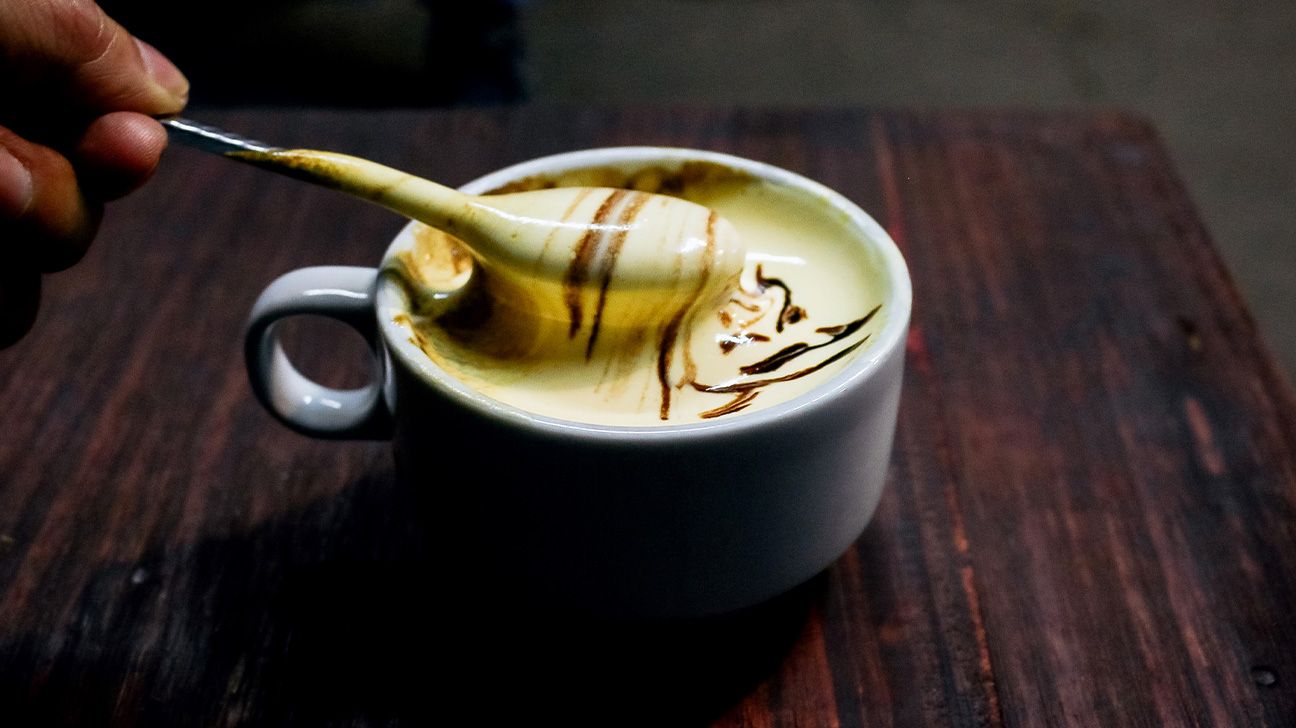
A sweet, creamy coffee trend is spreading across social media, but health experts are pushing back. Egg coffee, made by whisking egg yolks with sugar and condensed milk into a custard-like foam before pouring it over coffee, has amassed millions of views on TikTok. The drink’s viral appeal lies in its rich texture and customizable flavors, but public health authorities warn it may pose serious risks depending on egg preparation methods.
How egg coffee became a viral trend
The hashtag #eggcoffee has garnered over 10 million views on TikTok, with users showcasing their recipes and variations. The drink originated in Vietnam, where it is traditionally made with robusta coffee and sweetened condensed milk. The modern TikTok version often skips traditional brewing methods, instead emphasizing whipped egg yolks for a frothy top layer. Food bloggers and influencers have driven the trend, posting step-by-step videos that simplify the process for home cooks.
Health professionals say the rise of egg coffee reflects broader social media food trends, where novelty often outweighs safety considerations. The Centers for Disease Control and Prevention CDC reports that raw or undercooked eggs can carry Salmonella bacteria, which causes an estimated 1.35 million infections annually in the U.S. alone. While some recipes call for pasteurized eggs or cooked yolks, many viral versions rely on raw eggs, increasing contamination risk.
Nutritional concerns beyond food safety
Beyond foodborne illness risks, egg coffee can be nutritionally dense in ways that may not align with balanced diets. A typical serving may contain up to 30 grams of added sugar from condensed milk and granulated sugar, nearly matching the American Heart Association’s daily recommendation for men. Saturated fat content can also reach 10 grams or more, depending on portion size and egg preparation. Registered dietitian Carolyn Williams notes that while eggs provide protein and nutrients, the drink’s sugar and fat content may outweigh benefits for regular consumption.
For those seeking a safer alternative, food safety experts recommend using pasteurized eggs or fully cooked egg whites. Some creators have adapted recipes to include avocado or coconut cream as egg substitutes, reducing contamination risk while maintaining creaminess. These versions, however, stray from the original trend’s defining ingredient.
Public reaction and expert recommendations
Public response to the egg coffee trend has been mixed, with some users defending the drink as a harmless indulgence. Others have shared cautionary tales after experiencing digestive issues linked to raw egg consumption. The U.S. Food and Drug Administration FDA advises against consuming raw eggs due to Salmonella risk but does not regulate social media food trends. Restaurants and cafes serving egg coffee must comply with local health codes, which often require pasteurized eggs in uncooked dishes.
Nutritionists emphasize that moderation is key for those who choose to try egg coffee. Pairing the drink with a balanced breakfast and avoiding daily consumption can mitigate some health risks. Healthline’s editorial team advises readers to check egg labels for pasteurization and to consider consulting a doctor if they have compromised immune systems or egg allergies.
The egg coffee trend shows no signs of slowing, with new variations emerging weekly. While social media platforms facilitate food trends at unprecedented speeds, public health guidelines remain slower to adapt. This disconnect highlights the need for clearer communication between influencers, consumers, and health authorities to ensure food safety in the digital age.
What You Need to Know
- Source: Healthline
- Published: May 16, 2026 at 16:31 UTC
- Category: Health
- Topics: #health · #wellness · #medicine · #war · #conflict · #egg-coffee
Read the Full Story
This is a curated summary. For the complete article, original data, quotes and full analysis:
All reporting rights belong to the respective author(s) at Healthline. GlobalBR News summarizes publicly available content to help readers discover the most relevant global news.
Curated by GlobalBR News · May 16, 2026
Related Articles
- Midlife fitness boosts lifespan and health by 5+ years study finds
- Why ‘Ballmaxxing’ May Be More Dangerous Than You Think
- Weight Loss Surgeries Decline as GLP-1 Use Skyrockets. Why This Matters
🇧🇷 Resumo em Português
Uma xícara fumegante de café com ovo, batida até virar uma espuma cremosa, pode parecer inovação ou até mesmo um truque de barista, mas o que começou como uma moda viral no TikTok agora acende alertas entre especialistas em saúde. O que começou como uma receita aparentemente inofensiva — misturar ovos crus ao café para dar textura e sabor — ganhou força nas redes sociais, mas traz consigo riscos reais que vão muito além do sabor.
No Brasil, onde o café é patrimônio cultural e consumo diário para milhões de pessoas, a tendência chega com um sabor de novidade, mas também com advertências sérias. Ovos crus podem ser veículos de bactérias como a Salmonella, um patógeno que causa intoxicação alimentar grave, especialmente em grupos vulneráveis como crianças, idosos e imunodeprimidos. Além disso, a combinação com alto teor de açúcar — comum em versões caseiras e comerciais da bebida — eleva o alerta nutricional, preocupando médicos e nutricionistas diante do crescente apetite dos brasileiros por modismos sem base científica.
Enquanto influenciadores digitais continuam a viralizar a receita, órgãos de vigilância sanitária brasileiros já estudam formas de alertar o público, e a Anvisa pode reforçar orientações sobre o consumo de ovos crus em preparações caseiras. O desafio, agora, é equilibrar a curiosidade culinária com a saúde pública — afinal, nem tudo que faz sucesso na tela merece entrar na xícara.
🇪🇸 Resumen en Español
El auge de la moda del egg coffee en TikTok ha disparado su popularidad entre los usuarios, pero los expertos alertan sobre los riesgos sanitarios que conlleva consumirlo sin precauciones.
La receta, que consiste en mezclar café con huevo crudo y azúcar, ha ganado adeptos por su supuesta capacidad energética y textura cremosa, aunque los nutricionistas subrayan el peligro de contraer salmonelosis y los efectos negativos del exceso de azúcar. Para la audiencia hispanohablante, este fenómeno refleja cómo las redes sociales pueden normalizar prácticas alimentarias sin evaluar sus consecuencias, especialmente en un contexto donde la seguridad alimentaria ya es un tema sensible. Los expertos recomiendan optar por alternativas seguras, como huevos cocinados, para evitar intoxicaciones y mantener una dieta equilibrada.
Healthline
Read full article at Healthline →This post is a curated summary. All rights belong to the original author(s) and Healthline.
Was this article helpful?

Discussion