Fed’s Warsh resists Trump’s rate cut push as 2-year Treasuries hit 4%, complicating economic justification.
- Trump urges Fed to cut rates amid inflation concerns
- 2-year Treasuries spike to 4%, complicating rate cut arguments
- Warsh insists no rate cut promises made to president
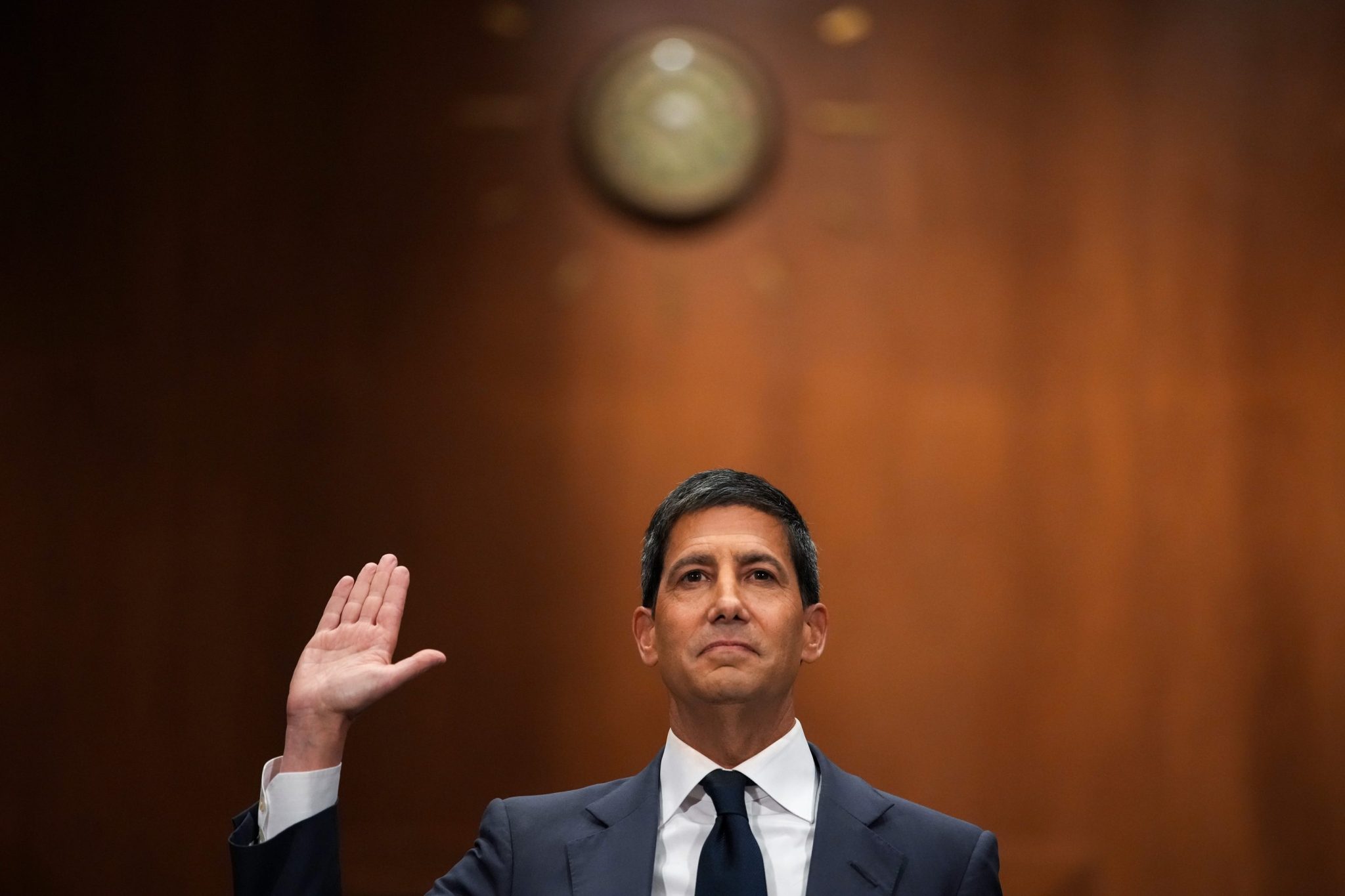
Incoming Federal Reserve Chair Kevin Warsh has made one thing clear: he hasn’t promised President Trump any interest rate cuts. Despite Trump’s repeated calls for lower rates to boost the economy, Warsh’s position is hardening as economic data complicates the case for cuts. The latest challenge came Thursday when 2-year Treasury yields, a key market indicator of future rate expectations, surged to 4%—their highest level this year. Analysts view short-term Treasuries as a real-time barometer of investor bets on Federal Reserve policy over the next two years, making this spike a significant hurdle for rate-cut advocates.
Inflation and markets push back on rate cuts
Trump’s push for lower rates comes as inflation remains stubbornly elevated, defying expectations of a cooling economy. The latest data show consumer prices rising at a pace that makes a rate cut less tenable for the Federal Reserve. Meanwhile, shorter-term Treasury yields have moved in the opposite direction of what rate-cut supporters would prefer. The spike in 2-year yields reflects growing investor skepticism about the likelihood of cuts anytime soon, despite political pressure from the White House. The dynamic underscores the tension between the Fed’s independence and the administration’s economic priorities.
Economists warn that the rise in short-term yields could tighten financial conditions further, making borrowing more expensive for businesses and consumers. This runs counter to Trump’s stated goal of stimulating growth through lower borrowing costs. The Fed, led by Warsh, must balance these competing forces while maintaining its mandate to promote maximum employment and stable prices. The challenge is compounded by the fact that inflation remains above the Fed’s 2% target, leaving little room for dovish policy shifts.
Warsh’s stance complicates Trump’s agenda
Kevin Warsh, a former Fed governor appointed by President Trump, has signaled he will not bow to political pressure despite his prior ties to the administration. Warsh’s comments this week reiterate that he has made no commitments to cut rates, even as the president continues to advocate for lower borrowing costs. The dynamic highlights the delicate balance Warsh must strike between maintaining the Fed’s independence and managing expectations in an election year.
The situation also reflects deeper divisions within economic policy circles. While some argue that rate cuts are necessary to avert a recession or support market confidence, others warn that easing policy too soon could reignite inflation. The debate is further complicated by the surge in short-term yields, which suggests markets are pricing in a more hawkish outlook than the White House prefers. This disconnect between political goals and market realities could limit the Fed’s options in the coming months.
What happens next?
The next few weeks will be critical as the Fed weighs its next move. With inflation still elevated and short-term yields rising, the case for a rate cut is weakening. Warsh’s resistance to political pressure, combined with the latest economic data, suggests the Fed may hold rates steady or even consider further tightening if conditions warrant. Meanwhile, Trump’s push for cuts is likely to intensify, setting the stage for a high-stakes showdown between the White House and the central bank.
What You Need to Know
- Source: Fortune
- Published: May 15, 2026 at 16:12 UTC
- Category: Business
- Topics: #fortune · #business · #economy · #war · #conflict · #dominoes
Read the Full Story
This is a curated summary. For the complete article, original data, quotes and full analysis:
All reporting rights belong to the respective author(s) at Fortune. GlobalBR News summarizes publicly available content to help readers discover the most relevant global news.
Curated by GlobalBR News · May 15, 2026
🇧🇷 Resumo em Português
A onda de otimismo nos mercados financeiros brasileiros esfriou quando o mundo voltou as atenções para os títulos do Tesouro dos EUA, onde os papéis de dois anos atingiram 4% — um patamar que não se via há anos. A alta inesperada reflete a resistência da nova liderança do Federal Reserve, na figura de Kevin Warsh, em ceder à pressão política de Donald Trump por cortes de juros, mesmo diante de sinais de inflação persistente. A decisão, que surpreendeu analistas e investidores, joga luz sobre um cenário global cada vez mais complexo, onde a autonomia dos bancos centrais volta a ser questionada.
No Brasil, a notícia acende um alerta vermelho, pois os títulos americanos servem como termômetro para os juros globais e, consequentemente, para os custos de financiamento do país. Com a inflação ainda acima da meta no cenário internacional e a possibilidade de um ciclo prolongado de aperto monetário nos EUA, o Banco Central brasileiro pode ser obrigado a manter uma postura mais rígida por mais tempo, mesmo com o crescimento econômico ainda frágil. Isso afeta diretamente o crédito, o consumo e os investimentos no mercado doméstico, especialmente em um ano eleitoral onde a estabilidade fiscal já é um tema sensível. Além disso, a valorização do dólar decorrente da alta dos Treasuries pode pressionar ainda mais a inflação via custos de importação, complicando a vida de quem já sofre com o preço dos alimentos e dos combustíveis.
A próxima reunião do Federal Reserve, marcada para os próximos meses, será decisiva não apenas para os EUA, mas para toda a América Latina. Se Warsh mantiver a linha dura, o Brasil pode ver seus esforços para reduzir os juros esbarrarem em um ambiente externo cada vez mais hostil, forçando o BC a calibrar suas decisões com ainda mais cautela.
🇪🇸 Resumen en Español
La reciente escalada de los bonos del Tesoro a dos años hasta el 4% refleja la tensión entre la Reserva Federal y las presiones políticas por recortar tipos, en un contexto de inflación persistente y crecimiento económico aún frágil.
La resistencia de Kevin Warsh, próximo presidente de la Fed, a ceder ante los reclamos de recortes de tipos por parte de la administración Trump subraya el dilema al que se enfrenta el banco central: equilibrar el crecimiento con el control de la inflación. Para los hispanohablantes, especialmente en economías emergentes o con fuerte dependencia de créditos, esta decisión puede traducirse en mayores costes de financiación, encareciendo hipotecas, préstamos empresariales y el consumo. Además, la resistencia de Warsh —conocido por su postura más restrictiva— sugiere que la Fed priorizará la estabilidad monetaria, lo que podría ralentizar el ritmo de expansión económica y afectar a mercados volátiles, como el latinoamericano.
Fortune
Read full article at Fortune →This post is a curated summary. All rights belong to the original author(s) and Fortune.
Was this article helpful?

Discussion