North Korea's Naegohyang FC women's team visits South Korea for the first time in eight years to play in the Asian Champions League semifinals.

- North Korea's Naegohyang FC visits South Korea for the first time in eight years
- Team arrives to play in Asian Champions League semifinals
- All 7,087 tickets for Wednesday's match sold out in one day
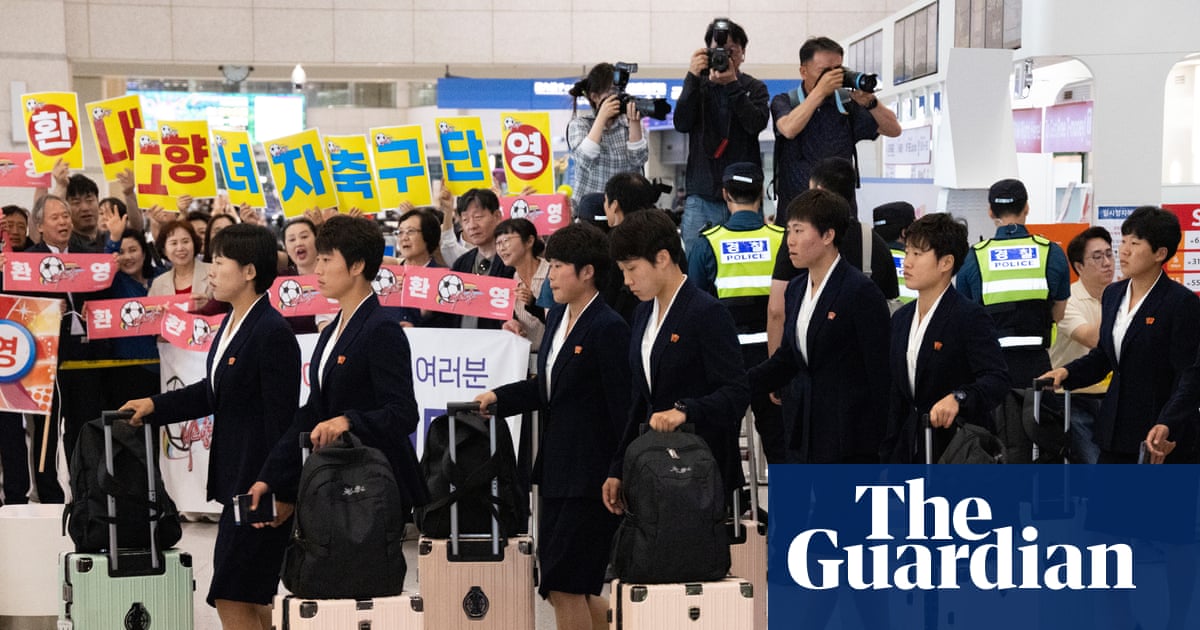
A women’s football team from North Korea landed in South Korea on Sunday, marking the first visit by athletes from the North to the South in eight years. The arrival of Naegohyang Women’s FC at Incheon International Airport, coming from China, has drawn unusual attention for a sports event. The team is in South Korea to compete in the Asian Champions League semifinals, where they’ll face Suwon FC Women on Wednesday. The winner will play either Melbourne City or Tokyo Verdy in the final on Saturday in Suwon. If eliminated, the North Korean team is expected to return home the following day, though their visit is approved through the weekend.
The visit took place despite the ongoing tension between the two Koreas. South Korea’s Unification Ministry approved the trip under the inter-Korean exchange law, showing that sports exchanges can still happen even when political relations are frosty. The South Korean government even set aside 300 million won (€172,000; $200,000) from an inter-Korean cooperation fund to pay for a cheering squad for both teams. Officials emphasized that the event is strictly a sports exchange, not a diplomatic move.
What makes this visit so rare
Athletes from North Korea rarely get permission to visit the South. The last time a North Korean sports team crossed the border was in 2018, when a group of taekwondo athletes attended an event in Seoul. Before that, North Korean fans traveled to the South for the 2014 Asian Games in Incheon. This visit by Naegohyang FC is a rare exception, and it’s happening at a time when relations between the two countries are tense over nuclear programs and military drills.
The team’s arrival has created a buzz in South Korea. All 7,087 tickets made available to the public for Wednesday’s match sold out within 24 hours. Fans are excited to see North Korean players in action, especially since the match could decide who faces either Melbourne City or Tokyo Verdy in the final. The high demand shows how unusual this visit is and how much interest it has generated across both sides of the border.
What’s next for the teams and fans
Wednesday’s match is just the start of a busy few days for Naegohyang FC. If they win, they’ll play in the final on Saturday. If they lose, they’ll likely head back to North Korea the next day. Either way, their visit is approved through the weekend, giving them time to meet with local fans and officials. South Korea’s government is keeping the event low-key, focusing only on the sports aspect and avoiding any political statements.
For South Korean fans, this is a chance to see North Korean athletes up close. It’s also a rare moment where people from both countries can come together, even if just for a football match. The government’s decision to fund a cheering squad for both sides shows they want to keep the event friendly and welcoming. Whether this visit leads to more sports exchanges remains to be seen, but for now, it’s a small but meaningful step in a long-strained relationship.
What You Need to Know
- Source: Deutsche Welle
- Published: May 17, 2026 at 07:48 UTC
- Category: World
- Topics: #europe · #world-news · #north-korean · #south · #north-korea-south-korea-football-match-2026
Read the Full Story
This is a curated summary. For the complete article, original data, quotes and full analysis:
All reporting rights belong to the respective author(s) at Deutsche Welle. GlobalBR News summarizes publicly available content to help readers discover the most relevant global news.
Curated by GlobalBR News · May 17, 2026
Related Articles
- 🎉 250 Articles in World!
- WHO declares Ebola emergency as Congo outbreak spreads to Uganda
- WHO declares Ebola outbreak in DR Congo a global emergency
🇧🇷 Resumo em Português
A seleção feminina de futebol da Coreia do Norte, o Naegohyang FC, desembarcou na Coreia do Sul nesta semana para uma partida histórica, a primeira em oito anos no território sul-coreano. O time, que já foi campeão asiático em 2019, enfrenta agora o desafio de chegar à final da Liga dos Campeões da Ásia, em um jogo que promete ser muito mais do que uma disputa esportiva.
A vinda da equipe norte-coreana ao sul do paralelo 38 é um raro momento de aproximação entre os dois países, tradicionalmente separados por décadas de tensão política e militar. O esporte, nesse caso, surge como uma ponte inesperada em meio a um cenário internacional cada vez mais polarizado. Para o Brasil, que tem uma forte relação com a Coreia do Sul — especialmente no futebol e no comércio — e mantém laços diplomáticos com a Coreia do Norte, a partida ganha ainda mais relevância. Além disso, o jogo coloca em evidência a questão da participação feminina no esporte asiático, um tema que vem ganhando espaço no debate global, inclusive no Brasil, onde o futebol feminino vive um momento de expansão.
A partida, com ingressos esgotados, sinaliza não apenas um sopro de esperança para a reaproximação das Coreias, mas também abre espaço para especulações sobre futuros encontros esportivos — ou até mesmo políticos — entre as nações. O mundo observa se esse passo pode ser o início de um novo capítulo na península coreana.
🇪🇸 Resumen en Español
Una selección femenina de fútbol norcoreana cruza la frontera más vigilada del mundo para disputar un histórico partido en suelo surcoreano, un gesto inédito en ocho años que reabre la ventana al deporte como puente diplomático. La visita del equipo Naegohyang FC a Seúl para jugar las semifinales de la Liga de Campeones Asiática, con todas las localidades agotadas, ha conmocionado al continente por su simbolismo: fútbol y geopolítica entrelazándose en el último gran tabú de Asia.
El encuentro no es un simple partido: trasciende como un raro destello de distensión en la península coreana, donde el deporte ha servido en otras ocasiones para suavizar tensiones. Para los hispanohablantes, acostumbrados a ver el fútbol como herramienta de unión en conflictos pasados, este gesto recuerda a los Juegos Olímpicos de 2006, cuando Corea del Norte y del Sur marcharon juntas bajo una misma bandera. Sin embargo, expertos advierten que el impacto real dependerá de si estas iniciativas cristalizan en avances políticos o quedan como meros gestos mediáticos, dejando a los aficionados con la incógnita de si el balón puede realmente cambiar fronteras.
Deutsche Welle
Read full article at Deutsche Welle →This post is a curated summary. All rights belong to the original author(s) and Deutsche Welle.
Was this article helpful?


Discussion