Hong Kong draws HK$26 billion from 310 firms in 2025 first-year investments.
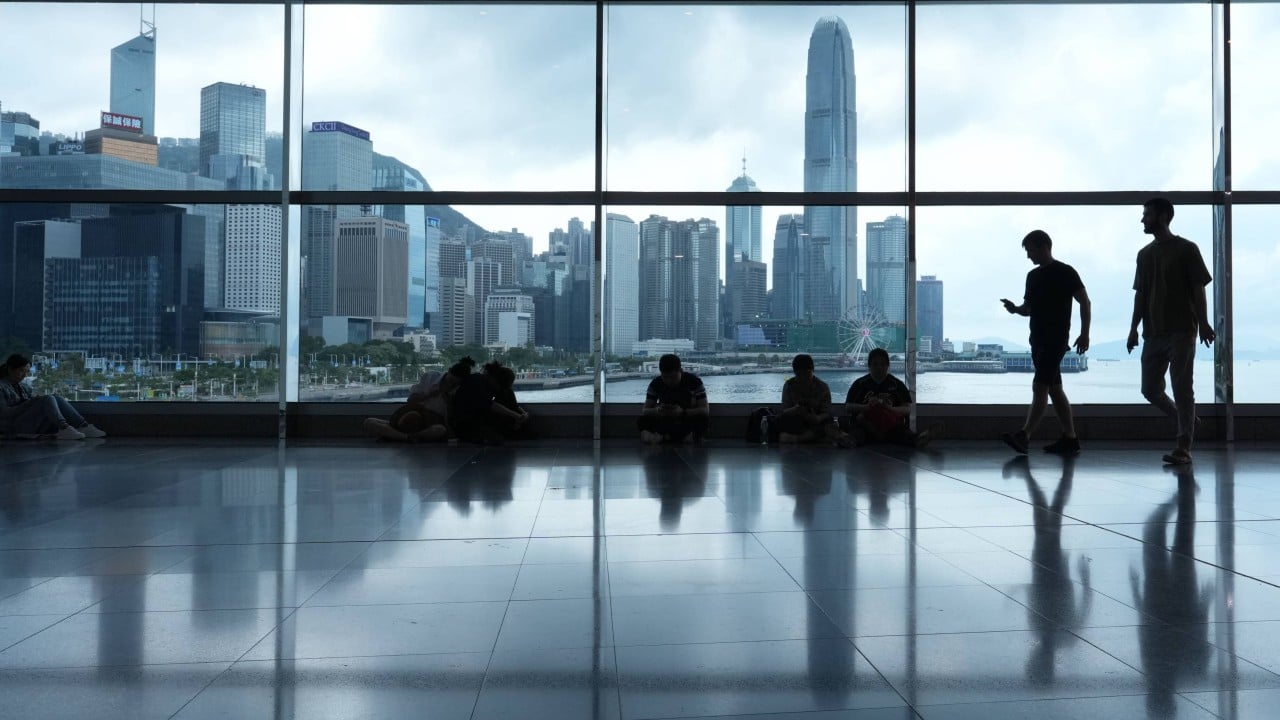
- Hong Kong attracted HK$26 billion in first-year investments from 310+ firms
- InvestHK reports most investments came from mainland China and abroad
- Xi-Trump summit boosted confidence in Hong Kong’s economic stability
Hong Kong’s economy got a major vote of confidence this year, with more than 310 companies from mainland China and overseas setting up or expanding operations in the city. These firms brought in HK$26 billion (US$3.3 billion) in their first year—a strong sign that businesses still see Hong Kong as a stable and attractive place to invest despite global uncertainty. The numbers come from InvestHK, the government agency responsible for luring foreign and Chinese capital to the city.
Why Hong Kong still matters to global business
InvestHK director general Alpha Lau Hai-suen pointed to the recent summit between US President Donald Trump and Chinese leader Xi Jinping as a turning point. ‘Stabilising Sino-US relations is good news for Hong Kong,’ Lau said. ‘Businesses want predictability, and this helps.’ The agency’s latest figures show that tech, finance, and professional services firms accounted for most of the new activity, with many citing Hong Kong’s deep capital markets and proximity to the Greater Bay Area as key draws.
The cash isn’t just sitting idle either. Nearly half the investments—about HK$12 billion—went into financial services, including asset management and fintech startups. Another HK$7 billion flowed into tech, from AI labs to biotech firms setting up regional headquarters. The rest split between logistics, trade, and legal services, all sectors where Hong Kong still holds an edge over rivals like Singapore or Dubai.
What changed after the Xi-Trump summit
The April meeting in Washington reset trade tensions between the US and China, two of Hong Kong’s biggest trading partners. Before the summit, many firms had put expansion plans on hold, waiting to see if tariffs or export controls would tighten again. ‘We saw a clear jump in inquiries right after the summit,’ said a senior InvestHK official who asked not to be named. ‘Companies that were sitting on the fence finally pulled the trigger.’
The timing matters because Hong Kong’s economy has been under pressure for years. The 2019 protests, Covid-19 closures, and China’s strict national security law pushed some multinationals to shift operations to Singapore or elsewhere. But Lau insists the city is bouncing back. ‘We’re not back to 2018 levels yet, but the trend is moving in the right direction,’ he told reporters last week.
The catch: not all sectors are winning
While finance and tech shine, retail and hospitality lag behind. High rents and weak consumer spending keep many brands cautious about opening new stores. Even so, the government’s latest relief package—HK$120 billion in tax breaks and subsidies—has helped soften the blow for smaller firms. ‘If you’re a startup or a mid-size company, Hong Kong is still one of the cheapest places in Asia to launch in your sector,’ said an analyst at CLSA, a brokerage with deep roots in the city.
Looking ahead, InvestHK expects the momentum to hold. The agency has already approved another 80 investment projects this quarter, with total commitments likely to push the year’s tally past HK$30 billion. ‘We’re not declaring victory,’ Lau said. ‘But the numbers tell a story: Hong Kong is still open for business.’
Hong Kong’s rebound is more than just a rebound—it’s a test of whether the city can reclaim its role as the gateway between East and West. For now, the early returns are promising, but the real challenge is keeping the momentum going when the next geopolitical storm hits.
What You Need to Know
- Source: SCMP
- Published: May 17, 2026 at 06:38 UTC
- Category: World
- Topics: #scmp · #asia · #china · #world-news · #science · #biology
Read the Full Story
This is a curated summary. For the complete article, original data, quotes and full analysis:
All reporting rights belong to the respective author(s) at SCMP. GlobalBR News summarizes publicly available content to help readers discover the most relevant global news.
Curated by GlobalBR News · May 17, 2026
Related Articles
- 🎉 250 Articles in World!
- WHO declares Ebola emergency as Congo outbreak spreads to Uganda
- WHO declares Ebola outbreak in DR Congo a global emergency
🇧🇷 Resumo em Português
Hong Kong registrou um influxo recorde de investimentos estrangeiros nos últimos 12 meses, com empresas de diversos setores injetando HK$ 26 bilhões — o equivalente a cerca de R$ 17 bilhões — no território, após um ano marcado pela trégua nas tensões comerciais entre os Estados Unidos e a China. O anúncio, feito pelas autoridades locais, confirma que a região segue como um dos principais hubs financeiros e comerciais da Ásia, mesmo em meio a um cenário global de incertezas econômicas. Segundo o governo de Hong Kong, mais de 310 companhias estrangeiras, incluindo gigantes do setor tecnológico, financeiro e de serviços, ampliaram suas operações ou estabeleceram novas sedes no território, impulsionadas pela esperança de recuperação das relações sino-americanas.
Para o Brasil e os países lusófonos, essa movimentação tem reflexos indiretos, mas significativos. A notícia reforça a importância estratégica da Ásia como destino de investimentos e parceiro comercial, especialmente em um momento em que o governo brasileiro busca diversificar suas relações econômicas para além do tradicional eixo Europa-EUA. Além disso, o desempenho de Hong Kong pode servir como termômetro para a confiança dos investidores globais em mercados emergentes, influenciando decisões de empresas brasileiras que já atuam ou pretendem expandir suas operações na Ásia. O caso também levanta debates sobre como o Brasil pode se posicionar melhor para atrair parte desses recursos, aproveitando sua posição como porta de entrada para a América do Sul.
Agora, o desafio das autoridades de Hong Kong será transformar esses investimentos em crescimento sustentável, enquanto os analistas monitoram se a recuperação das relações EUA-China se manterá estável nos próximos anos.
🇪🇸 Resumen en Español
La cumbre entre Xi Jinping y Donald Trump sembró optimismo en los mercados, y Hong Kong cosechó los primeros frutos con una inyección de 3.300 millones de dólares en inversiones durante su primer año tras el acuerdo. La región administrativa especial china recibió un total de 26.000 millones de dólares hongkoneses (HKD) de más de 310 empresas, un récord que refleja la confianza renovada en su hub financiero.
Este flujo de capital, impulsado especialmente por sectores como el tecnológico y el de servicios profesionales, subraya la relevancia de Hong Kong como puerta de enlace entre China y el mundo, incluso en un contexto de tensiones geopolíticas. Para los lectores hispanohablantes, el dato no solo evidencia la resiliencia de la economía asiática, sino también los riesgos de depender de acuerdos políticos volátiles, donde la estabilidad jurídica y la conectividad empresarial siguen siendo claves para atraer inversiones a largo plazo.
SCMP
Read full article at SCMP →This post is a curated summary. All rights belong to the original author(s) and SCMP.
Was this article helpful?


Discussion