Cowboy Space secures $275M to build AI data centers in space using its own rocket.
- Cowboy Space raises $275 million for orbital AI data centers
- Funding to support development of homegrown rocket for launches
- Orbital servers aim to provide AI processing in space
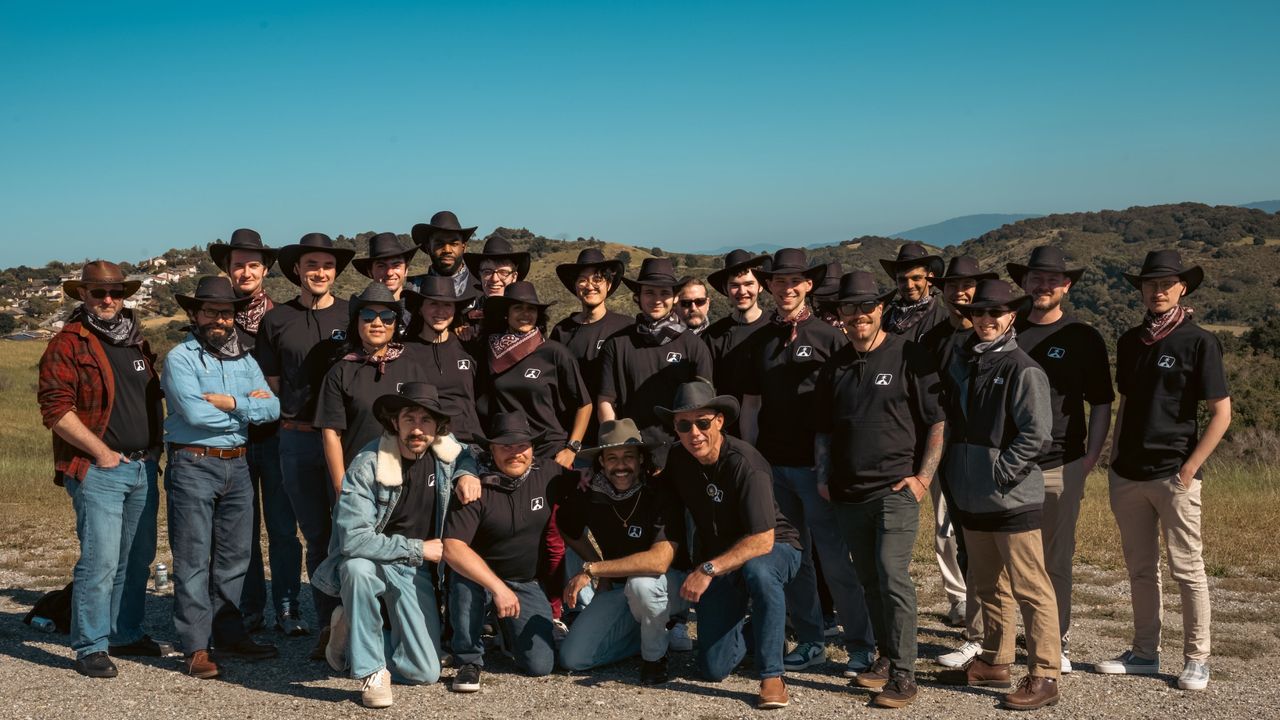
Cowboy Space Corp. Cowboy Space Corporation, formerly known as Orbital Data Systems, announced Friday it secured $275 million in Series B funding to construct and operate artificial intelligence data centers in low Earth orbit. The company plans to deploy these orbital servers using its own rocket, the SkyRider-1, under development since 2022.
The funding round was led by Silicon Valley venture capital firm Horizon Capital with participation from SpaceTech Partners and sovereign wealth funds in Singapore and the United Arab Emirates. Cowboy Space CEO Elena Vasquez stated the capital will accelerate both the data center infrastructure and the launch vehicle’s final testing phases. “This funding allows us to move from prototype to production,” Vasquez said in a statement. “We’re building the first commercially viable orbital data centers.”
Orbital servers target AI’s power demands
Cowboy Space’s orbital data centers will house specialized AI processors designed to operate in microgravity, reducing latency for machine learning workloads compared to ground-based facilities. The company claims its servers can handle up to 10 times more computational power per square foot than traditional data centers while consuming 40% less energy. These claims remain unverified as the technology is still in development.
The SkyRider-1 rocket, designed to carry up to 15 metric tons to low Earth orbit, is undergoing structural testing at Cowboy Space’s McGregor, Texas facility. Company officials say the first orbital deployment could occur as early as 2025, with commercial operations beginning in 2026. Rival companies like SpaceX and Amazon’s Project Kuiper have also announced plans for orbital data centers, though none have reached operational status.
Competition heats up in space-based computing
The push into orbital data centers reflects growing demand from AI companies for faster, more efficient computing solutions. Ground-based data centers face limitations in power availability and cooling capacity, particularly in regions with strict energy regulations. Cowboy Space argues its orbital approach bypasses these constraints while reducing signal latency for global AI applications.
Competitors include Axiom Space, which plans to attach commercial data modules to its planned space station, and Sidus Space, which has partnered with NASA to test orbital computing hardware. Industry analysts note that while the concept shows promise, the high costs of space launches and orbital maintenance could limit widespread adoption.
Cowboy Space plans to begin accepting customer payload reservations later this year, targeting AI startups, cloud computing providers, and research institutions. The company has not disclosed pricing models but suggests costs will compete with premium ground-based data center services within three years of commercial operations.
The broader implications of orbital data centers extend beyond AI. Military applications, financial trading platforms, and autonomous vehicle networks could benefit from reduced latency and enhanced reliability. However, regulatory hurdles remain regarding spectrum allocation and orbital debris mitigation for such large-scale deployments.
What You Need to Know
- Source: Space.com
- Published: May 12, 2026 at 19:05 UTC
- Category: Science
- Topics: #space · #astronomy · #nasa · #science · #cowboy-space · #cowboy-space-corp
Read the Full Story
This is a curated summary. For the complete article, original data, quotes and full analysis:
All reporting rights belong to the respective author(s) at Space.com. GlobalBR News summarizes publicly available content to help readers discover the most relevant global news.
Curated by GlobalBR News · May 12, 2026
Related Articles
- 5 Ways to Vet Social Media Health Advice Before Trying It
- Your Body Clock May Enhance The Benefits of Exercise, Study Finds
🇧🇷 Resumo em Português
A humanidade dá mais um passo rumo ao futuro ao transformar o espaço em um novo território para a revolução tecnológica, e uma startup brasileira acaba de entrar na disputa. A Cowboy Space Corp., empresa com sede no Brasil, anunciou a captação de impressionantes US$ 275 milhões para lançar data centers movidos a inteligência artificial em órbita terrestre usando seu próprio foguete, prometendo revolucionar não só a computação global, mas também a soberania digital do país.
Com a promessa de instalar servidores orbitais já em 2026, a iniciativa coloca o Brasil em uma posição estratégica diante do crescente mercado de tecnologia espacial. Enquanto gigantes como Estados Unidos e China dominam a corrida espacial convencional, o projeto brasileiro pode oferecer uma alternativa mais acessível e eficiente para armazenamento e processamento de dados, especialmente com a crescente demanda por IA e conectividade global. Além disso, dominar essa tecnologia poderia reduzir a dependência de países estrangeiros para soluções críticas de TI, alinhando-se aos esforços nacionais de inovação e segurança cibernética.
Se bem-sucedida, a empreitada pode não apenas posicionar o Brasil como líder em inovação espacial, mas também redefinir as regras do jogo para empresas e governos ao redor do mundo.
🇪🇸 Resumen en Español
La startup Cowboy Space Corp. ha revolucionado el sector tecnológico al anunciar una ambiciosa apuesta por llevar centros de datos al espacio, financiada con una inversión de 275 millones de dólares y el desarrollo de su propio cohete.
El proyecto, previsto para 2026, busca aprovechar la microgravedad y las condiciones únicas del espacio para optimizar el procesamiento de datos con inteligencia artificial, reduciendo costes energéticos y latencias en la nube. Para el público hispanohablante, esta innovación podría significar avances en sectores como la medicina, la climatología o la computación avanzada, aunque también plantea desafíos en términos de regulación espacial y sostenibilidad orbital. Si tiene éxito, Cowboy Space podría redefinir la infraestructura digital global, aunque su viabilidad técnica y económica aún genera escepticismo entre los expertos.
Space.com
Read full article at Space.com →This post is a curated summary. All rights belong to the original author(s) and Space.com.
Was this article helpful?

Discussion