Europe air fares will climb due to Iran war-driven oil price spikes, industry leader confirms.
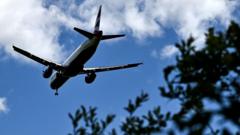
- Oil prices stay high because of Iran war tensions
- Industry boss says higher Europe air fares are inevitable
- Return flights from major hubs face steep cost increases
Air travel in Europe will get more expensive as oil prices remain stubbornly high because of the Iran war, the head of the International Air Transport Association (IATA) warned today. Willie Walsh, IATA’s director general, said fare increases are now unavoidable for airlines operating in the region.
Speaking to reporters in Geneva, Walsh noted that oil prices have climbed by nearly 20% since the start of the year, driven by escalating tensions in the Middle East. “The war in Iran has disrupted global oil supplies, and until stability returns, airlines will have no choice but to pass these costs on to passengers,” he said. European carriers, which rely heavily on long-haul routes to Asia and North America, are particularly vulnerable to fuel price volatility.
Airlines warn of fare hikes
Major airlines including Lufthansa, Air France-KLM, and Ryanair have already flagged potential fare increases in their latest financial outlooks. Lufthansa’s CEO Carsten Spohr told analysts last week that the airline expects fuel costs to add €300 million ($325 million) to its 2024 expenses. “We are seeing a clear trend of rising fares, especially on intercontinental routes,” Spohr said.
Air France-KLM has gone further, announcing plans to raise base fares by up to 15% on select long-haul routes starting in June. A company spokesperson cited “persistent geopolitical risks” as the primary driver. Budget carrier Ryanair has also indicated it will adjust prices, though it has not yet announced specific figures. Industry analysts predict that short-haul flights within Europe may see smaller increases—around 5-8%—due to shorter flight times and lower fuel consumption.
Consumers face tough choices
Travelers are already feeling the pinch. Emma Carter, a London-based consultant who books frequent trips to Berlin and Paris, said she has noticed fares climbing over the past two months. “Last year, I could find return flights for £80. Now the same routes are £120 or more,” she said. “I’m being forced to reconsider how often I travel.”
The timing couldn’t be worse for summer holidaymakers. Peak season bookings are just weeks away, and airlines are under pressure to balance rising costs with demand. The European Travel Commission expects a 6% drop in outbound travel from Europe if fares rise by more than 10%, potentially costing the sector billions in lost revenue.
What happens next?
IATA’s Walsh urged governments to intervene by stabilizing oil markets and easing sanctions on Iran to restore supply. “This isn’t just an airline problem—it’s an economic one,” he said. “Higher air fares will ripple through tourism, trade, and even basic goods transportation.”
For now, passengers are advised to book early and monitor price trends. Travel experts recommend using fare comparison tools and setting price alerts to lock in cheaper tickets before further increases take effect. The International Monetary Fund (IMF) has warned that prolonged high oil prices could slow economic growth across Europe, adding another layer of concern for both travelers and businesses.
What You Need to Know
- Source: BBC News
- Published: May 13, 2026 at 23:03 UTC
- Category: Business
- Topics: #bbc · #business · #economy · #war · #conflict · #warning
Read the Full Story
This is a curated summary. For the complete article, original data, quotes and full analysis:
All reporting rights belong to the respective author(s) at BBC News. GlobalBR News summarizes publicly available content to help readers discover the most relevant global news.
Curated by GlobalBR News · May 13, 2026
Related Articles
- Lawyers sanctioned $110K for fake AI citations in landmark Oregon case
- Meta cuts 8,000 jobs as AI spending surges amid capitalism debate
🇧🇷 Resumo em Português
As viagens de avião para a Europa estão prestes a ficar mais caras, e o brasileiro que planeja um voo internacional já pode se preparar para o bolso mais vazio. A escalada dos preços do petróleo, impulsionada pela guerra no Irã, está pressionando as companhias aéreas a reajustar tarifas, com previsão de aumentos que devem refletir diretamente nos custos das passagens aéreas nos próximos meses.
O Brasil, que já sente os reflexos da alta do combustível no transporte doméstico, agora encara um novo desafio: a dependência do mercado internacional de aviação. Com o preço do barril de petróleo em patamar elevado devido aos conflitos no Oriente Médio, as empresas aéreas europeias, responsáveis por boa parte das rotas que conectam o país ao continente, não têm como escapar dos reajustes. Para os viajantes brasileiros, isso significa não apenas menos opções de preço, mas também a possibilidade de adiamento ou até mesmo cancelamento de planos de viagem, especialmente para quem busca destinos como Portugal, França ou Itália.
A expectativa é que, nos próximos trimestres, as tarifas sigam em trajetória de alta, a menos que haja uma trégua nos conflitos ou uma queda acentuada na demanda por viagens. Enquanto isso, consumidores e empresas do setor precisam se adaptar a um cenário de custos mais elevados e planejar com antecedência para evitar surpresas desagradáveis no caixa.
🇪🇸 Resumen en Español
El aumento de los precios del petróleo por la guerra en Irán encenderá una alerta roja en el sector aéreo europeo, donde los billetes de avión podrían dispararse en los próximos meses. La advertencia llega de la mano de uno de los principales actores del mercado, que anticipa subidas inevitables en los costes para los viajeros.
La escalada de los precios del crudo, impulsada por la tensión geopolítica en Oriente Medio, amenaza con traducirse en tarifas más altas para los vuelos en Europa, afectando especialmente a rutas de larga distancia y a las aerolíneas con menor capacidad de absorción de costes. Para los hispanohablantes, esto significa que los planes de viaje a destinos europeos o intercontinentales podrían encarecerse notablemente en un contexto ya marcado por la inflación global, obligando a los consumidores a replantearse sus presupuestos o buscar alternativas más económicas.
BBC News
Read full article at BBC News →This post is a curated summary. All rights belong to the original author(s) and BBC News.
Was this article helpful?

Discussion