Welsh Labour’s historic stronghold in Tredegar snubbed the party by sending no delegates to the Senedd.
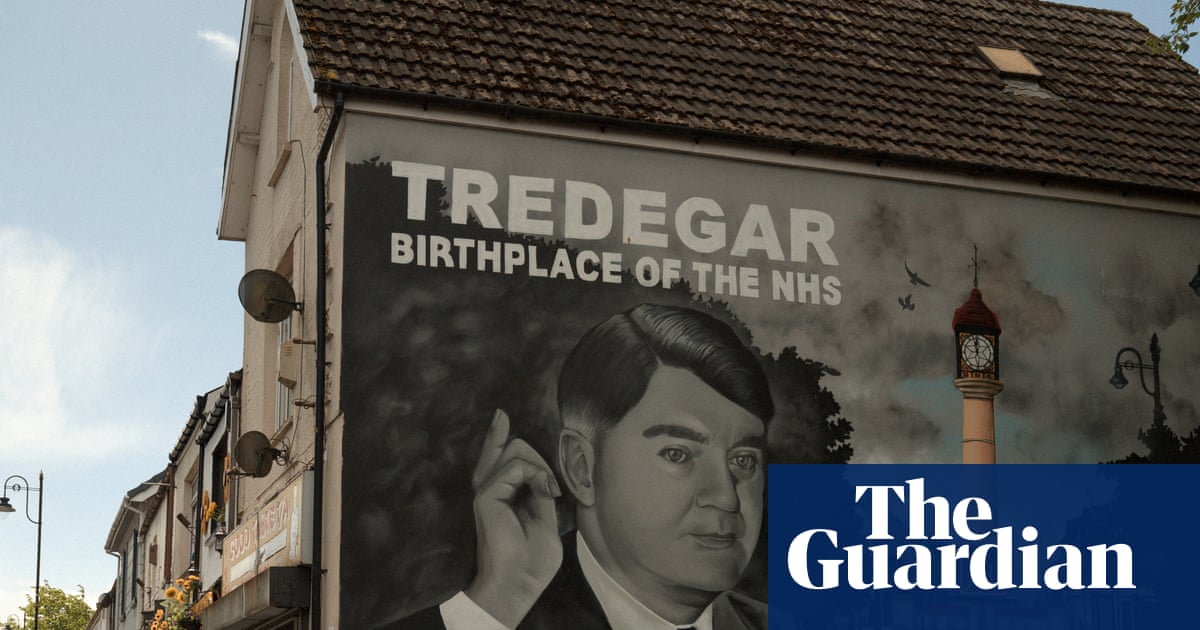
- Labour lost its grip on the town that gave the NHS its model
- Tredegar sent no Labour delegates to the new Senedd last week
- Aneurin Bevan’s birthplace once voted Labour like clockwork
Tredegar, a small town in south Wales, built its reputation as Labour’s fortress. For generations, it voted Labour without question, producing two of the party’s most famous leaders: Aneurin Bevan, the architect of the NHS, and Neil Kinnock, its former leader. But last week, the town broke from tradition when it sent no Labour delegates to the new Senedd, Wales’ devolved parliament. The move signals a quiet but significant shift in a place that once defined the Labour movement’s working-class roots.
The town still carries the scars and pride of its past. Murals of Bevan and Kinnock line the streets, their faces staring down from brick walls like modern-day saints. The Cambrian Inn, a pub that once hosted early trade unions and Chartist groups, still stands, though the Workmen’s Hall Library—another Labour landmark—is now a car park. Across the road, the Tredegar Medical Aid Society, which Bevan used as a blueprint for the NHS, has been turned into a heritage centre. It’s a museum to the town’s coal-mining and steel-making past, where the idea of collective care was born.
Yet for the first time in living memory, Tredegar’s Labour faithful didn’t show up for the party. The decision to send no delegates wasn’t a formal rebellion—it was a quiet protest. Local activists say the move reflects frustration over Labour’s failure to address the town’s economic decline or its crumbling public services. ‘People here used to say voting Labour was like breathing,’ said one lifelong resident. ‘But now, they’re asking why we should bother.’
The shift in Tredegar mirrors broader unease with Labour across Wales. The party has dominated Welsh politics for decades, but recent polling shows its support slipping. Some blame the party’s focus on Westminster, arguing it’s lost touch with the communities that built it. Others point to Labour’s cautious approach to devolution, leaving some Welsh voters feeling ignored. Whatever the reason, Tredegar’s snub is a sign that even Labour’s most loyal heartlands are reconsidering.
The town’s political awakening isn’t just about Labour, though. Wales’ devolved government, the Senedd, has been slowly gaining power since its creation in 1999. But for a place like Tredegar, which prides itself on its Labour identity, the shift feels personal. The Senedd’s new make-up includes more independent and Plaid Cymru members, signaling a possible realignment in Welsh politics. Locals say they’re tired of waiting for change from Cardiff or London.
What happens next in Tredegar could set the tone for the rest of Wales. If Labour can’t hold its heartland, the party risks losing its grip on power entirely. But the town’s move also raises questions about what comes after Labour. Plaid Cymru, the nationalist party, has been gaining ground in rural areas, while independents are making inroads in working-class communities. For now, Tredegar’s Labour supporters are regrouping, unsure what to do next. One thing is clear: the town that once defined Labour’s identity is now questioning its future.
For outsiders, Tredegar remains a symbol of Labour’s past. But for the people who live there, it’s a place fighting to define its own future.
What You Need to Know
- Source: The Guardian
- Published: May 17, 2026 at 07:00 UTC
- Category: Politics
- Topics: #guardian · #politics · #labour · #welsh · #aneurin-bevan
Read the Full Story
This is a curated summary. For the complete article, original data, quotes and full analysis:
All reporting rights belong to the respective author(s) at The Guardian. GlobalBR News summarizes publicly available content to help readers discover the most relevant global news.
Curated by GlobalBR News · May 17, 2026
Related Articles
🇧🇷 Resumo em Português
O coração operário do Reino Unido, representado pela cidade galesa de Tredegar — berço de ícones do Labour como Aneurin Bevan e Neil Kinnock —, deu um sinal de alerta ao eleger zero delegados do partido para a nova legislatura do Senedd, o parlamento galês. O gesto, que reflete um crescente descontentamento nas bases tradicionais de esquerda, pode ser um prenúncio de mudanças profundas no cenário político britânico, com repercussões que vão além das fronteiras do Reino Unido.
A guinada em Tredegar não é um caso isolado, mas sim um sintoma de um fenômeno mais amplo: a perda de confiança nas legendas tradicionais por parte do eleitorado trabalhador, historicamente aliado do Labour. No Brasil, onde o PT e outros partidos de esquerda também enfrentam desafios para manter sua base histórica, a notícia serve como um espelho das tensões que atravessam a política global. A ascensão de propostas populistas ou a migração para candidaturas independentes ou de esquerda alternativa em países como o nosso reforça a ideia de que o desgaste das agremiações tradicionais é um tema que transcende continentes.
Se o Labour não reagir a tempo, o risco é que a revolta nas bases se espalhe, reconfigurando o mapa político não só no País de Gales, mas em todo o Reino Unido — e, por tabela, em nações como o Brasil, onde a polarização partidária segue em alta.
🇪🇸 Resumen en Español
La cuna histórica del laborismo británico, Tredegar, ha roto con décadas de tradición al no enviar ni un solo delegado del Partido Laborista a la nueva legislatura del Senedd, en un gesto que refleja el malestar creciente en las bases obreras.
Este distanciamiento no es un hecho aislado, sino el síntoma más visible de una crisis de confianza que sacude al laborismo galés. Tras décadas de hegemonía en esta región, el partido enfrenta un descontento extendido entre su electorado tradicional, profundamente afectado por políticas austeras y la percepción de abandono de las zonas industriales. La decisión de Tredegar, cuna de figuras emblemáticas como Aneurin Bevan y Neil Kinnock, envía un mensaje contundente: el electorado trabajador ya no se siente representado por un partido que, en su opinión, ha traicionado sus valores históricos.
The Guardian
Read full article at The Guardian →This post is a curated summary. All rights belong to the original author(s) and The Guardian.
Was this article helpful?


Discussion