US Central Command confirms strikes on Iranian targets near Strait of Hormuz after navy came under fire.
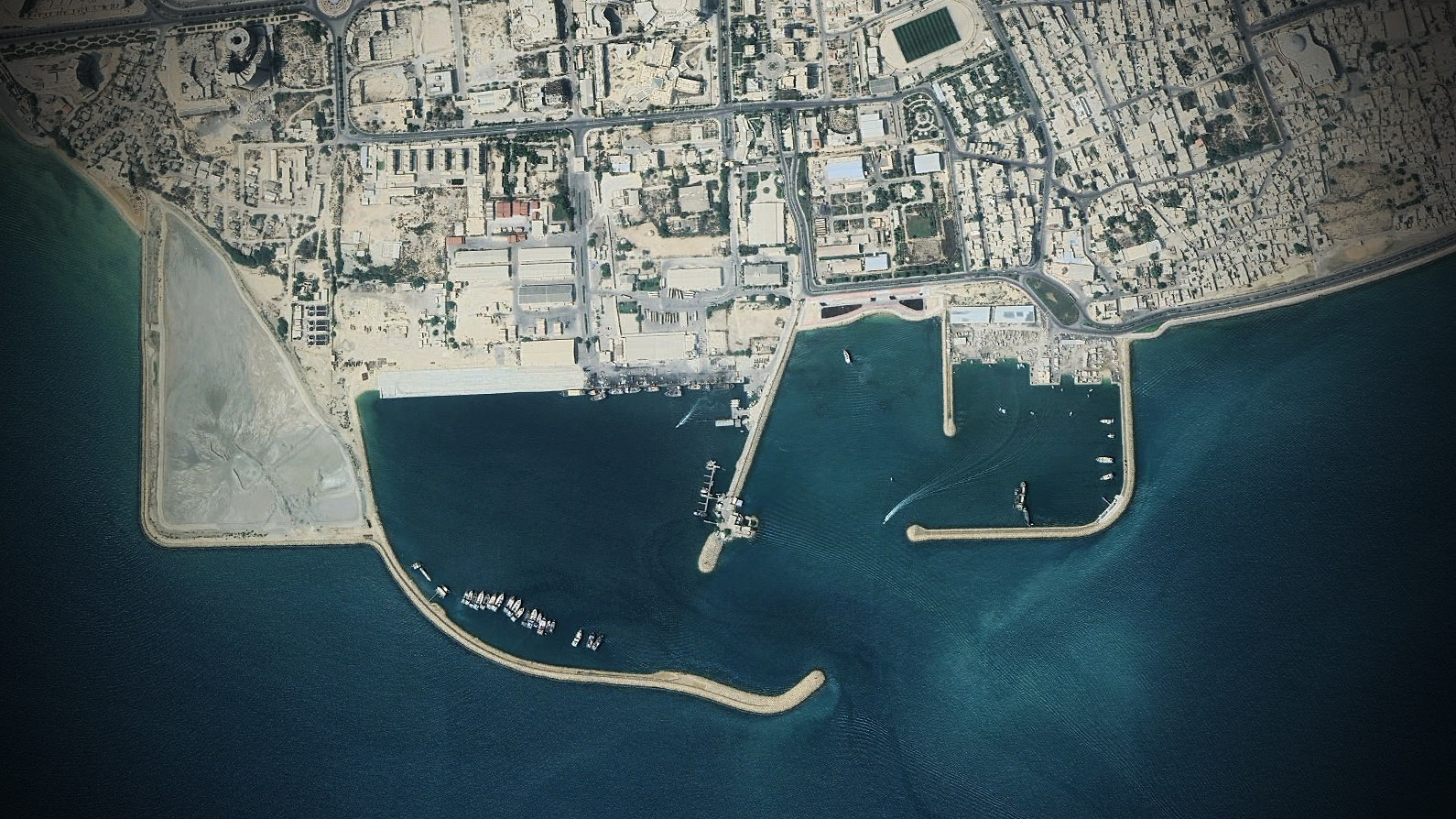
- US Central Command confirms strikes on Iranian targets near Strait of Hormuz
- Navy destroyers fired upon by Iranian forces before counterstrike
- Strikes threaten ongoing ceasefire negotiations between US and Iran
U.S. Central Command confirmed Wednesday that American forces struck Iranian targets around the Strait of Hormuz in response to an attack on navy destroyers by Iranian forces. The strikes came amid fragile ceasefire talks between Washington and Tehran, which now face further strain.
Iranian state media reported that a port on Qeshm Island—the Persian Gulf’s largest island—was targeted during an exchange of fire between Iranian armed forces and what it described as enemy forces. The reports, citing FARS investigations in Bandar Abbas, stated that parts of the commercial area at Bahman Qeshm pier were hit, though no images have emerged to verify the claims.
A U.S. Central Command spokesperson said the strikes were in direct response to Iran firing on American navy destroyers operating in the region. “We took necessary, proportionate action in self-defense to protect our forces and assets,” the spokesperson stated. No immediate casualties or damage to U.S. vessels have been reported.
The Strait of Hormuz remains one of the world’s most critical chokepoints for global oil shipments, with roughly 20% of the world’s petroleum passing through its narrow waters. Tensions have simmered in the region for months, with both sides accusing each other of provocations. The latest incident could derail months of indirect negotiations aimed at de-escalating hostilities.
Ceasefire talks hang in balance
The strikes risk undermining a fragile ceasefire brokered in recent weeks, which had paused direct military clashes between the U.S. and Iran. Diplomats from both countries had been engaged in backchannel discussions to formalize a longer-term truce, but the latest violence raises fresh doubts about the feasibility of such an agreement.
Iran’s semi-official Tasnim news agency quoted a military source as saying that Iranian forces responded to what it called a “provocation” by U.S. forces. The agency did not specify the nature of the provocation but stated that Iran reserved the right to respond further. The U.S. has not provided additional details on the engagement beyond confirming its counterstrike.
Regional analysts warn that further escalation could draw in other actors, including U.S. allies in the Gulf Cooperation Council or Iran-backed militias in Iraq and Yemen. The Persian Gulf’s security remains a top concern for global energy markets, with oil prices likely to react to any prolonged disruption.
The U.S. has previously conducted strikes in the region, including a January 2020 operation that killed Iranian General Qasem Soleimani Qasem Soleimani near Baghdad. Iran retaliated with missile strikes on U.S. bases in Iraq, escalating tensions to their highest point in decades. This latest confrontation, while smaller in scale, underscores the persistent volatility in one of the world’s most strategically vital waterways.
What You Need to Know
- Source: The Drive
- Published: May 08, 2026 at 01:07 UTC
- Category: War
- Topics: #military · #weapons · #conflict · #war · #struck-iranian-targets · #hormuz
Read the Full Story
This is a curated summary. For the complete article, original data, quotes and full analysis:
All reporting rights belong to the respective author(s) at The Drive. GlobalBR News summarizes publicly available content to help readers discover the most relevant global news.
Curated by GlobalBR News · May 08, 2026
🇧🇷 Resumo em Português
Os Estados Unidos lançaram ataques aéreos contra alvos iranianos próximos ao Estreito de Hormuz nesta semana, após seus navios de guerra sofrerem disparos de mísseis, elevando drasticamente o nível de tensão no Golfo Pérsico. A ação, confirmada pelo Comando Central dos EUA, marca mais um capítulo na escalada de conflitos entre Washington e Teerã, região crítica para o fluxo global de petróleo, que afeta diretamente economias como a brasileira.
O episódio ocorre em um momento sensível para o Oriente Médio, onde o Brasil mantém interesses estratégicos, seja pela importação de petróleo — o país é um dos maiores compradores de óleo iraniano na América Latina — ou pela segurança de suas rotas comerciais marítimas. A escalada aumenta o risco de perturbações no fornecimento de energia e no comércio internacional, impactando diretamente o bolso dos brasileiros. Além disso, a crise pode redefinir alianças regionais, com possíveis reflexos na política externa brasileira, que historicamente busca equilibrar relações com Washington e Teerã.
Com as negociações de cessar-fogo em xeque, a comunidade internacional acompanha com apreensão os próximos passos, que podem definir não só o futuro da região, mas também a estabilidade dos mercados globais.
🇪🇸 Resumen en Español
El ejército estadounidense ha lanzado ataques contra posiciones iraníes cerca del estratégico Estrecho de Ormuz, tras un nuevo episodio de hostilidad que ha puesto en jaque la frágil estabilidad regional. La escalada, confirmada por el Mando Central de EE.UU., llega en un momento crítico, cuando las negociaciones de alto el fuego penden de un hilo y el riesgo de un conflicto abierto en Oriente Medio se cierne con mayor fuerza.
El incidente reaviva las tensiones en una zona clave para el comercio global de hidrocarburos, donde el pasado mes ya se registraron ataques contra buques vinculados a Teherán. La respuesta militar estadounidense, aunque limitada, envía un mensaje de firmeza a Irán, pero también amenaza con dinamitar los esfuerzos diplomáticos en curso. Para las potencias europeas y los países de la región, el escenario es especialmente preocupante, pues cualquier error de cálculo podría arrastrarlos a una espiral de violencia que ya ha demostrado su capacidad para desestabilizar economías y rutas energéticas esenciales para España y la UE.
The Drive
Read full article at The Drive →This post is a curated summary. All rights belong to the original author(s) and The Drive.
Was this article helpful?


Discussion