NASA’s Artemis II crew brought the zero gravity indicator ‘Rise’ to Washington to highlight their historic April 2026 lunar flyby mission.
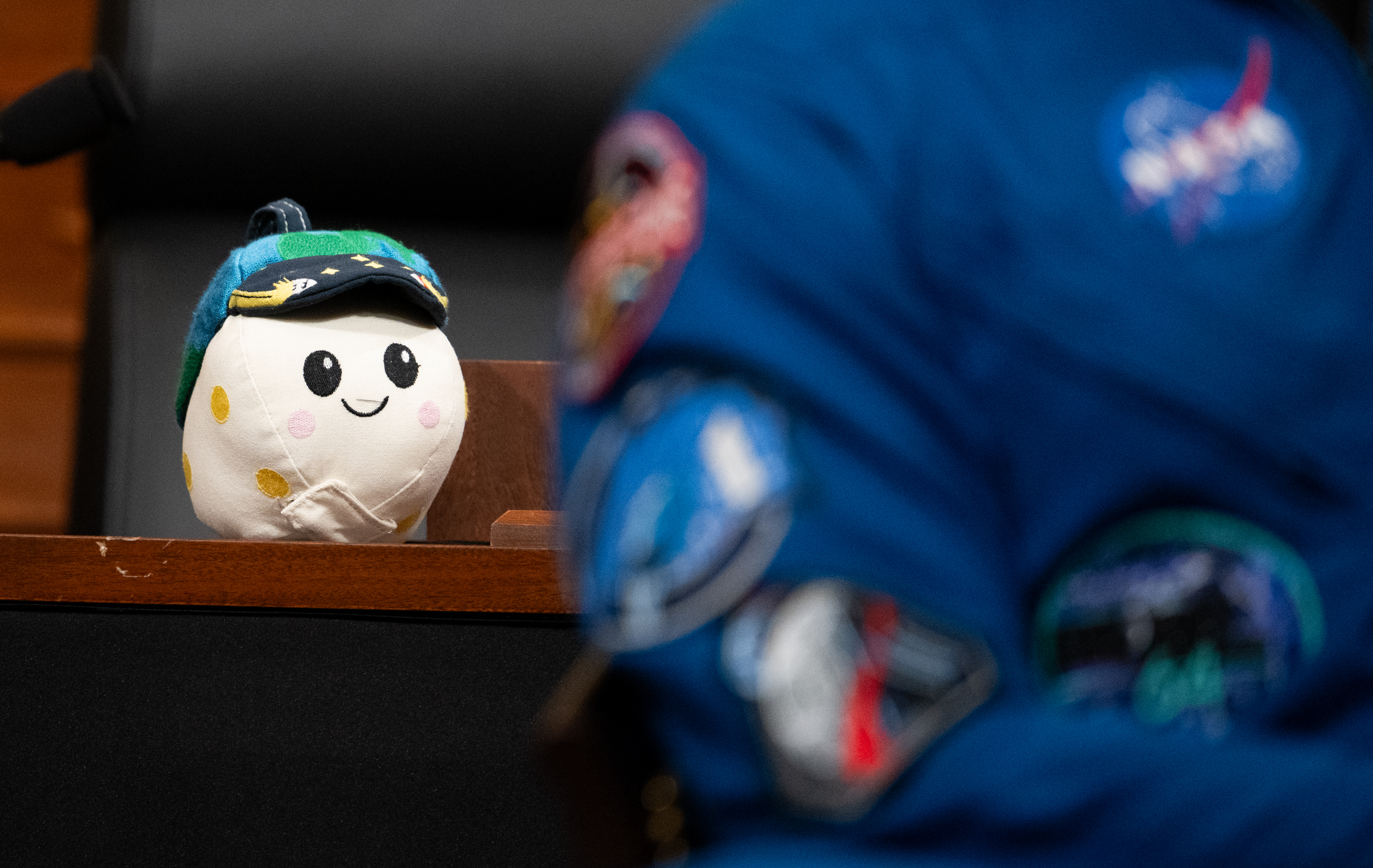
- NASA astronauts showed ‘Rise’ during Capitol Hill briefing on May 12, 2026
- Artemis II crew completed 10-day Moon mission in April 2026
- Zero gravity indicator ‘Rise’ flew aboard Orion spacecraft
Four astronauts from NASA’s historic Artemis II Moon mission brought a symbolic artifact to Washington on Tuesday, May 12, 2026, to share their journey with congressional leaders. Astronauts Reid Wiseman, Victor Glover, Christina Koch, and Canadian Space Agency astronaut Jeremy Hansen presented the zero gravity indicator “Rise” during a Capitol Hill briefing, marking the first crewed lunar flyby in over 50 years.
The briefing capped a nearly 10-day mission in April 2026 that carried the crew around the Moon and back to Earth aboard NASA’s Orion spacecraft. The mission tested critical systems for future lunar landings under the agency’s Artemis program. Wiseman, Glover, Koch, and Hansen shared details of their flight with congressional staff, emphasizing the mission’s scientific and technological achievements.
Zero Gravity Indicator ‘Rise’ Takes Center Stage
The soft plush toy “Rise” served as the Artemis II zero gravity indicator, floating freely aboard Orion when the crew reached weightlessness. The indicator—designed to signal the start of microgravity—has become a tradition for NASA missions, often chosen by crew members for personal significance. “Rise” was selected to symbolize humanity’s return to deep space exploration beyond low-Earth orbit.
During the Washington event, the crew positioned “Rise” on the dais as they described the mission’s milestones, including lunar orbit insertion, close approach to the Moon, and re-entry. The briefing included photos and video from their journey, showcasing Earth rising over the lunar horizon—a visual echo of the mission’s name.
Congressional Briefing Highlights Future Artemis Goals
The astronauts used the Capitol Hill appearance to discuss NASA’s plans for sustainable lunar exploration, including landing the first woman and person of color on the Moon under Artemis III. They also highlighted international partnerships, particularly with the Canadian Space Agency, which contributed the robotic arm Canadarm3 for the Lunar Gateway station.
Wiseman, the mission commander, emphasized the mission’s role in preparing for Mars expeditions. “Every step we take now is building toward humanity’s next giant leap,” he said. The crew’s advocacy comes as Congress debates funding for NASA’s ambitious lunar and Martian goals.
Artemis II’s success followed the uncrewed Artemis I mission in late 2025, which tested Orion and the Space Launch System rocket. The next mission, Artemis III, is scheduled for 2027 and aims to land astronauts near the Moon’s south pole.
The astronauts’ visit underscored the mission’s broader impact, from inspiring global audiences to advancing space technology. By bringing “Rise” to Washington, the crew connected their historic flight to the political and scientific decisions shaping the future of space exploration.
What You Need to Know
- Source: NASA
- Published: May 13, 2026 at 19:17 UTC
- Category: Science
- Topics: #nasa · #space · #science · #politics · #usa · #congress
Read the Full Story
This is a curated summary. For the complete article, original data, quotes and full analysis:
All reporting rights belong to the respective author(s) at NASA. GlobalBR News summarizes publicly available content to help readers discover the most relevant global news.
Curated by GlobalBR News · May 13, 2026
Related Articles
- 5 Ways to Vet Social Media Health Advice Before Trying It
- PCOS renamed to PMOS after decades of misdiagnosis confusion
🇧🇷 Resumo em Português
Astronautas da NASA surpreendem o mundo ao levar ao Congresso dos EUA, em 2026, o indicador de gravidade zero da missão Artemis II, uma boneca nomeada Rise, que já flutuou ao redor da Lua — um marco que reacende a corrida espacial e promete inspirar novas gerações. A demonstração, transmitida ao vivo para milhões, simbolizou não apenas um avanço tecnológico, mas também a reafirmação dos Estados Unidos como líder na exploração lunar, um feito que coloca em xeque os planos de outras nações, incluindo o Brasil, que busca consolidar sua participação no programa Artemis.
No Brasil, a notícia chega em um momento crucial: o país, que assinou os Acordos Artemis em 2020, vê na missão uma oportunidade única para desenvolver sua indústria aeroespacial e formar novos cientistas e engenheiros. A Agência Espacial Brasileira (AEB) já projeta missões tripuladas futuras e colaborações com a NASA, mas o protagonismo norte-americano no retorno à Lua coloca pressão para que o país acelere seus investimentos. Além disso, a boneca Rise, com seu nome em inglês, serve como lembrete de que, sem uma estratégia clara de comunicação científica, o Brasil pode perder espaço na narrativa global da exploração espacial.
Enquanto a NASA prepara os próximos passos — incluindo a Artemis III, que levará humanos de volta à superfície lunar — o Brasil precisa definir urgentemente como integrará seus recursos e talentos a esse movimento, ou corre o risco de ser apenas coadjuvante no palco que promete redefinir os limites da humanidade.
🇪🇸 Resumen en Español
La NASA lleva a Washington el espíritu de la próxima misión lunar con un detalle simbólico que ya recorre el Congreso estadounidense. Astronautas de la agencia desvelaron esta semana ante los legisladores el indicador de gravedad cero ‘Rise’, una figura destinada a acompañar a la tripulación del Artemis II en su histórico sobrevuelo a la Luna previsto para 2026.
El maniquí, que representa a un astronauta en posición de despegue, no es solo un elemento decorativo: sirve para alertar a la tripulación cuando la nave alcanza el estado de ingravidez tras abandonar la órbita terrestre. Más allá de su función práctica, ‘Rise’ encarna el renacimiento de la exploración lunar tras medio siglo de pausa, un mensaje que los congresistas estadounidenses recibieron con especial atención ante los cada vez más intensos debates sobre la financiación del programa Artemis. Para los hispanohablantes, este gesto simboliza el avance de la ciencia espacial en un momento en que países como España, a través de su colaboración con la ESA, se posicionan como actores clave en la nueva carrera hacia la Luna y más allá.
NASA
Read full article at NASA →This post is a curated summary. All rights belong to the original author(s) and NASA.
Was this article helpful?


Discussion