Union warns Port Kembla as AUKUS sub base turns NSW into military target.
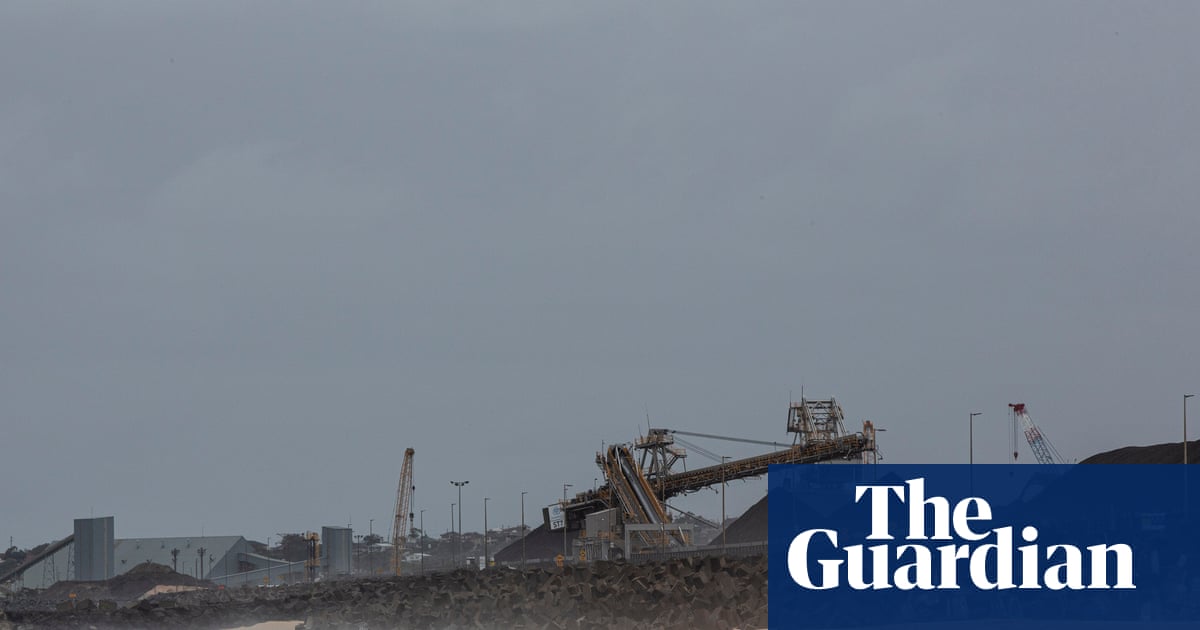
- Port Kembla named in leaked docs as east coast AUKUS sub base site
- Union claims it makes NSW a military target for strikes or espionage
- Federal cost-overruns and delays now top $38 billion for AUKUS subs
A batch of previously classified documents, obtained by the Guardian, names Port Kembla as the federal government’s preferred site for Australia’s first AUKUS nuclear-powered submarine base. The defence department has spent months quietly assessing east and west coast ports, but the leaked files confirm Port Kembla beat other contenders like Newcastle and Brisbane for the east coast slot. Federal cabinet signed off on the shortlist in late 2023, yet kept it from the public until now. The defence minister’s office did not respond to multiple requests for comment on Tuesday evening, but the prime minister’s office confirmed the government is still in “active consultation” with state and local leaders about infrastructure upgrades that would cost billions and take at least a decade to finish. The subs themselves won’t arrive before 2032 at the earliest, even if everything goes perfectly—something defence insiders admit is unlikely given the program’s $38 billion cost blowout since it was announced in 2021. Since AUKUS was signed, Australia has already spent $6.5 billion on planning and early work, but no steel has been cut for any submarine anywhere in the world. The Virginia-class boats the US plans to sell to Australia are still being built for America’s navy, and Britain’s new Astute-class subs are years behind schedule themselves. That leaves a gaping hole in the alliance’s promise to deliver Australia nuclear boats by the late 2030s. Port Kembla’s proponents point to its deep-water berths, existing rail links, and proximity to Sydney’s defence industry hubs as clear advantages. But the South Coast Labour Council says those same features make it a perfect place for an enemy missile or drone strike. “It’s like putting a bullseye on Wollongong,” said one union organiser who asked not to be named because they’re still in talks with politicians. “You don’t have to be a military expert to know a base full of nuclear reactors and thousands of US sailors is the first thing an adversary would target in any conflict.” The council has written to every federal MP and state minister warning of “political fallout” if they green-light the plan. Their letter compares the idea to “surrendering Port Kembla to Trump’s Navy,” a nod to the political sensitivity of letting foreign militaries operate on Australian soil. The union isn’t alone in its alarm. Independent defence analyst Marcus Hellyer says the government is ignoring basic deterrence logic. “If you want to deter China, you don’t park your most valuable assets in a single coastal spot where they’re easy to find and hit,” Hellyer told ABC radio on Tuesday. “Submarines are supposed to hide, not sit in a dry dock for everyone to see.” The government counters that the subs will mostly operate from the open ocean, only docking at Port Kembla for maintenance and crew rotations. But critics point out that even routine port visits by allied warships have sparked protests and espionage concerns in the past. In 2017, a Chinese spy ship loitered off Sydney for weeks while the USS Carl Vinson carrier group was in port—an incident that led to diplomatic finger-pointing and tighter surveillance rules. Defence planners now face a triple bind: they need the base to meet alliance commitments, they need public support to build it, and they need to keep the location quiet to avoid tipping off potential adversaries. Yet the longer they delay announcing the final site, the louder the opposition grows. Port Kembla’s mayor is already fielding calls from worried residents about traffic, rents, and safety drills. Local business owners, who remember the steelworks shutdowns of the 1990s, fear another boom-bust cycle if the federal money dries up mid-project. The federal government insists the benefits—thousands of jobs, billions in contracts, and a step-change in Australia’s defence capability—outweigh the risks. But the union’s campaign is turning up the heat. They’ve started a petition calling for a full public inquiry before any site is locked in, and they’re organising community forums across the Illawarra region. The next federal budget, due in May, is expected to include the first tranche of funding—about $1.2 billion—for early enabling works. If parliament approves it, bulldozers could roll in as soon as 2026, turning a sleepy industrial port into the most scrutinised military facility on the east coast.
What You Need to Know
- Source: The Guardian
- Published: May 17, 2026 at 05:46 UTC
- Category: World
- Topics: #guardian · #world-news · #international · #war · #conflict · #aukus
Read the Full Story
This is a curated summary. For the complete article, original data, quotes and full analysis:
All reporting rights belong to the respective author(s) at The Guardian. GlobalBR News summarizes publicly available content to help readers discover the most relevant global news.
Curated by GlobalBR News · May 17, 2026
Related Articles
- 🎉 250 Articles in World!
- WHO declares Ebola emergency as Congo outbreak spreads to Uganda
- WHO declares Ebola emergency as Congo and Uganda outbreaks surge
🇧🇷 Resumo em Português
A Austrália anunciou Port Kembla, em Nova Gales do Sul, como a base principal para seus futuros submarinos nucleares do programa AUKUS, decisão que acendeu alertas sobre os riscos de transformar o estado em alvo estratégico em meio a tensões geopolíticas cada vez mais acirradas. A escolha, ainda em fase de planejamento, já provoca forte resistência entre sindicatos e especialistas, que alertam para possíveis impactos na segurança regional e na exposição civil a possíveis conflitos.
O Brasil, enquanto potência emergente com interesses no Indo-Pacífico, observa com atenção o desenvolvimento do AUKUS — aliança militar entre Austrália, Reino Unido e Estados Unidos —, que redefine o equilíbrio de forças na região. Para os leitores brasileiros, a notícia é relevante não apenas pela proximidade com as rotas comerciais brasileiras no Pacífico, mas também por levantar questões sobre como o país deve posicionar-se diante de novas dinâmicas de segurança internacional. Além disso, a oposição sindical australiana destaca um debate global sobre os custos humanos e econômicos da militarização de áreas civis.
O próximo passo deve ser a avaliação detalhada dos impactos ambientais e sociais por parte das autoridades australianas, enquanto a comunidade internacional aguarda possíveis reações de potências como China e Rússia, que já criticaram o AUKUS.
🇪🇸 Resumen en Español
Australia ha designado Port Kembla, en Nueva Gales del Sur, como la principal base para los submarinos nucleares del pacto AUKUS, una decisión que ha encendido las alarmas entre los sindicatos por el riesgo de convertir la región en un objetivo militar prioritario. La elección, respaldada por documentos oficiales, busca modernizar la capacidad defensiva de Australia con tecnología estadounidense y británica, pero ha reavivido el debate sobre seguridad nacional y prioridades estratégicas frente a amenazas globales.
El proyecto, que forma parte del acuerdo AUKUS —firmado en 2021 entre Australia, Reino Unido y EE.UU.—, no solo implica una inversión millonaria y la llegada de submarinos de propulsión nuclear a partir de 2030, sino también una transformación geopolítica en la región Asia-Pacífico. Para los hispanohablantes, especialmente en América Latina, esta alianza refleja la creciente militarización de Occidente frente a China, mientras que las preocupaciones sindicales subrayan los riesgos laborales y de seguridad civil, en un contexto donde la estabilidad regional podría verse afectada. La polémica invita a reflexionar sobre el papel de Australia como aliado clave de Occidente y las consecuencias de albergar infraestructuras tan sensibles en una zona densamente poblada.
The Guardian
Read full article at The Guardian →This post is a curated summary. All rights belong to the original author(s) and The Guardian.
Was this article helpful?

Discussion