Analysts warn Sino-Russian alliance faces new trade and military strains despite public unity.
- China now buys 30% less Russian energy than it did in 2022
- Russia accuses China of hoarding cheap tech while blocking its own exports
- Military drills in 2025 show both sides still don’t fully trust each other
When Russia sent its tanks into Ukraine in February 2022, China was quick to call the war a “crisis” and refused to join Western sanctions. The two countries have since held joint military drills, signed billion-dollar energy deals, and presented a united front against NATO. But a closer look shows the relationship isn’t as seamless as their leaders claim. In a 2024 report, analysts John Stanko and Spenser Warren warned that tensions under the surface could one day lead to conflict. Two years later, their warnings still hold weight—and new signs of strain have emerged.
China’s energy demand drops while Russia’s sales suffer
China was once Russia’s biggest customer for oil and gas, buying nearly half of its exports before the war. But Beijing has quietly cut those purchases by almost 30% since 2022, buying more from Iran, Saudi Arabia, and Iraq instead. Russian state media blamed the decline on “market forces,” but insiders say China is deliberately diversifying to avoid over-reliance on Moscow. Meanwhile, Russia’s oil revenues have plummeted, forcing the Kremlin to slash spending on social programs and raise taxes.
Tech and trade fights expose deeper distrust
Russia has accused China of stealing intellectual property for years, but the problem has gotten worse since the war started. In 2024, Russian officials complained that Chinese firms were reverse-engineering weapons systems and selling knockoff versions to third-world buyers. China denied the claims but retaliated by blocking key Russian exports like timber, fertilizers, and high-tech components. The trade war has left Russian factories short on parts while Chinese companies lose access to Siberian raw materials.
Military drills show cooperation—with limits
Every summer since 2022, Russia and China have held massive joint military exercises near their shared border. In 2025, the drills were the largest yet, with 100,000 troops and advanced missiles on display. But behind the scenes, officers from both sides admit they still don’t fully trust each other. Russian generals reportedly refused to share their latest electronic warfare tactics, while Chinese commanders kept their cyber units on a tight leash. Publicly, both sides called the drills a sign of strength. Privately, they were a reminder of how thin the alliance really is.
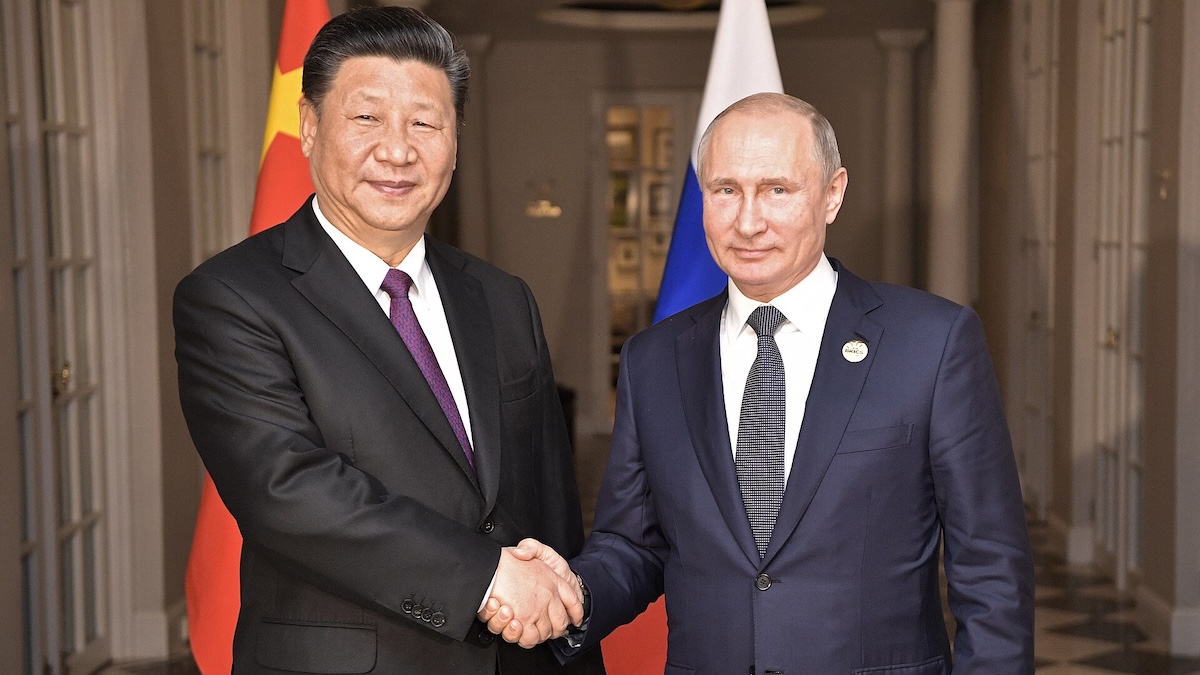
Analysts say the relationship is held together by necessity, not affection. Russia needs China’s markets and diplomatic cover at the UN. China needs Russia’s oil, gas, and military muscle to balance U.S. power in Asia. But neither side is willing to make the sacrifices that a true alliance would require. For now, the cracks are papered over with photo ops and handshakes. But if either country faces a real crisis—like a Chinese invasion of Taiwan or a Russian collapse in Ukraine—the cracks could widen fast.
What happens next depends on who blinks first. If China keeps reducing its energy purchases, Russia’s economy could take a harder hit. If Moscow pushes Beijing too hard on trade, Beijing might finally retaliate with sanctions of its own. Either way, the world’s most talked-about partnership looks a lot less solid than it did in 2022.
What You Need to Know
- Source: War on the Rocks
- Published: April 15, 2026 at 17:30 UTC
- Category: War
- Topics: #defense · #military · #geopolitics · #war · #conflict · #examining
Read the Full Story
This is a curated summary. For the complete article, original data, quotes and full analysis:
All reporting rights belong to the respective author(s) at War on the Rocks. GlobalBR News summarizes publicly available content to help readers discover the most relevant global news.
Curated by GlobalBR News · April 15, 2026
Related Articles
- 🎉 100 Articles in War!
- Wembanyama’s Spurs reach Western finals, Pistons stay alive in NBA playoffs
- 🎉 250 Articles in War!
🇧🇷 Resumo em Português
A aliança entre China e Rússia, vendida como “a mais sólida do mundo” por seus líderes, mostra sinais de rachaduras que vão muito além da retórica diplomática. Documentos internos e análises recentes revelam disputas comerciais acirradas e divergências estratégicas que ameaçam minar a parceria, historicamente alicerçada na resistência ao cerco ocidental.
O Brasil, enquanto potência emergente e parceiro comercial de ambos os países, precisa acompanhar de perto essas tensões, uma vez que qualquer desestabilização na relação sino-russa pode impactar diretamente o mercado global de commodities e a geopolítica sul-americana. A China, principal destino das exportações brasileiras nos últimos anos, vê na Rússia um fornecedor crucial de energia e tecnologia militar, enquanto Moscou busca em Pequim um aliado para contrabalançar o isolamento imposto pelo Ocidente após a invasão da Ucrânia. A fragilidade dessa união, no entanto, expõe vulnerabilidades que podem redefinir as regras do jogo no tabuleiro internacional.
Se a cooperação entre os dois gigantes continuar a se deteriorar, o Brasil poderá se tornar um campo de batalha indireto, seja pela pressão sobre suas exportações ou pela busca por novos parceiros em um cenário cada vez mais polarizado.
🇪🇸 Resumen en Español
El nuevo escenario de tensiones comerciales y militares entre Pekín y Moscú destapa grietas en la alianza que ambos países venden como indestructible. Informes recientes revelan disputas en acuerdos energéticos, desacuerdos en proyectos de infraestructura y roces en maniobras militares, lo que cuestiona la solidez de un vínculo que, según sus gobiernos, no tiene fisuras.
Tras décadas de cooperación estratégica, las fricciones actuales —desde la competencia en mercados clave hasta diferencias en el tablero geopolítico— ponen en jaque la narrativa de una asociación sin límites. Para el mundo hispanohablante, este escenario es relevante porque desvela cómo dos potencias con intereses convergentes en Occidente —como desafiar el orden liderado por EE.UU.— priorizan ahora sus propias esferas de influencia, con posibles repercusiones en la estabilidad global y en las economías latinoamericanas, tradicionalmente vinculadas a ambos gigantes.
War on the Rocks
Read full article at War on the Rocks →This post is a curated summary. All rights belong to the original author(s) and War on the Rocks.
Was this article helpful?


Discussion