Bath museum displays 50+ rare prints by Manet, Van Gogh and Gauguin this summer.
- Exhibition opens July 12 at Holburne Museum in Bath
- Shows 50+ prints by Manet, Van Gogh, Gauguin and others
- Focuses on artists better known for paintings than prints
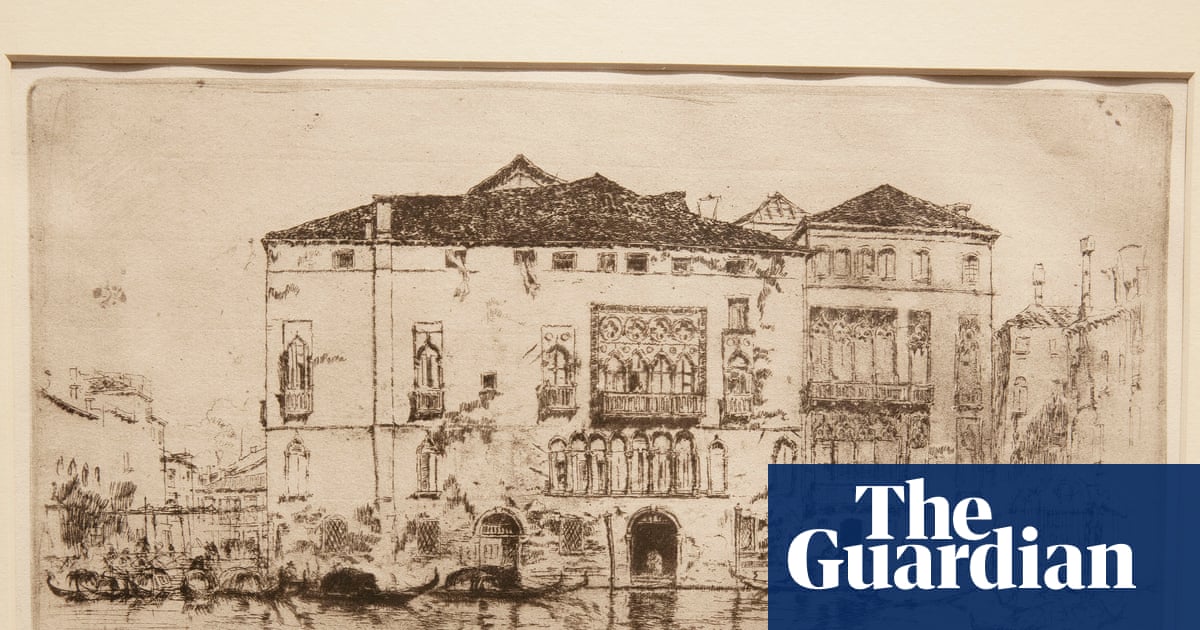
The Holburne Museum in Bath is about to open an exhibition that flips the usual story of art history. Instead of focusing on the bold oil paintings that made Édouard Manet, Vincent van Gogh and Paul Gauguin famous, the show centers on their quieter printmaking. More than 50 etchings, lithographs and woodcuts from the 1860s to the 1910s will be on display starting July 12. It’s a rare chance to see work that often gets overshadowed by their painted masterpieces.
The show, titled Printmaking Reborn, argues that these artists didn’t just dabble in prints—they helped bring the medium back from the brink. Printmaking had lost its edge by the mid-1800s, replaced by quicker, cheaper techniques like photography. But Manet, Van Gogh and their peers saw fresh potential in the medium. They experimented with texture, tone and line in ways that felt as daring as their paintings.
Van Gogh’s bold lines and Gauguin’s bold colors
Van Gogh’s prints are a highlight. His The Potato Eaters etching, made in 1882, captures the gritty realism of rural life with sharp, jagged lines. It’s a far cry from the soft brushstrokes of his later paintings. Gauguin’s woodcuts, meanwhile, are vivid and almost sculptural. His Noa Noa series uses thick, uneven cuts to create a sense of movement and rhythm. These weren’t just afterthoughts—they were experiments that shaped how he saw color and form.
Manet’s prints are the most surprising. His The Execution of Maximilian lithographs, made in 1868, are a dark political statement. They show the brutal execution of Mexico’s emperor, a scene Manet turned into a series of prints. It’s a far cry from the salon-ready portraits he’s known for. These works were so controversial that Manet had to print them secretly in Belgium to avoid censorship.
The exhibition also includes prints by Georges Seurat, Henri de Toulouse-Lautrec and Pablo Picasso. Seurat’s La Grande Jatte lithograph, a study for his famous pointillist painting, shows how he broke down color into tiny dots even in print. Toulouse-Lautrec’s posters for Parisian cabarets are pure energy, capturing the city’s nightlife in bold, flat colors. Picasso’s early etchings reveal the raw, unfiltered style he’d later refine in his cubist paintings.
Why this show matters now
Printmaking isn’t just a footnote in art history—it changed the game for how artists shared their work. Before prints, paintings were one-offs, seen only by a few. Prints made art accessible, affordable and spreadable. This exhibition reminds us that these artists weren’t just painters; they were innovators who pushed boundaries in every medium they touched.
The Holburne Museum has pulled together loans from private collections and major institutions like the Van Gogh Museum in Amsterdam and the Musée d’Orsay in Paris. It’s the first time many of these prints have been shown together in the UK. The show runs until October 13, with guided tours and workshops for anyone who wants to try printmaking themselves.
For art lovers tired of the same old stories, this is a fresh angle. It’s not just about the paintings—it’s about the artists behind them and the tools they used to think differently.
What You Need to Know
- Source: The Guardian
- Published: May 17, 2026 at 15:00 UTC
- Category: World
- Topics: #guardian · #world-news · #international · #printmaking · #manet · #van-gogh
Read the Full Story
This is a curated summary. For the complete article, original data, quotes and full analysis:
All reporting rights belong to the respective author(s) at The Guardian. GlobalBR News summarizes publicly available content to help readers discover the most relevant global news.
Curated by GlobalBR News · May 17, 2026
Related Articles
- Czech beer consumption drops sharply as young drink less
- 🎉 250 Articles in World!
- WHO declares Ebola emergency as Congo outbreak spreads to Uganda
🇧🇷 Resumo em Português
As obras de pintores como Manet, Van Gogh e Gauguin ganham vida novamente em uma exposição rara que chega a Bath nesta temporada de verão, revelando mais de 50 trabalhos que marcam um marco na história da arte. A mostra promete resgatar o legado dos impressionistas, responsáveis por reviver uma forma de expressão que parecia em decadência, ao mesmo tempo em que redefiniu os rumos da pintura moderna.
A exposição, que chega ao Reino Unido após rodar outras capitais europeias, é um convite para os brasileiros refletirem sobre como o impressionismo, movimento que floresceu na segunda metade do século XIX, influenciou não apenas a arte ocidental, mas também a produção cultural em terras tupiniquins. No Brasil, artistas como Eliseu Visconti e Anita Malfatti beberam dessa fonte, adaptando suas técnicas e cores vibrantes às paisagens e à identidade local, especialmente no modernismo de 1922. Para o público lusófono, a mostra é uma oportunidade única de mergulhar em um período que mudou para sempre a forma como vemos a arte.
Com a curadoria meticulosa e a parceria de instituições renomadas, a exposição em Bath deve servir de inspiração para novos projetos culturais no Brasil, que ainda luta para preservar e dar visibilidade a seu próprio acervo impressionista.
🇪🇸 Resumen en Español
Rarezas impresas de los grandes genios del impresionismo llegan a Bath para revivir un arte en peligro de extinción. Más de cincuenta grabados y litografías de Manet, Van Gogh y Gauguin —algunos nunca antes exhibidos— iluminan esta muestra que promete redescubrir cómo estos artistas rescataron una técnica en declive.
La exposición, que llega a la ciudad inglesa tras su paso por otros centros culturales europeos, no solo celebra la maestría técnica de los impresionistas, sino que recupera la relevancia histórica de la estampa en un momento en que el arte contemporáneo parece priorizar lo digital. Para el público hispanohablante, el evento ofrece una ventana única para entender cómo el grabado —herramienta de difusión masiva en el siglo XIX— fue clave para democratizar el arte y romper con los círculos elitistas, algo que resonará especialmente en regiones donde el acceso a las grandes obras maestras sigue siendo limitado.
The Guardian
Read full article at The Guardian →This post is a curated summary. All rights belong to the original author(s) and The Guardian.
Was this article helpful?

Discussion