Mario Draghi wins 2024 Charlemagne Prize for stabilizing the euro and advancing EU unity.
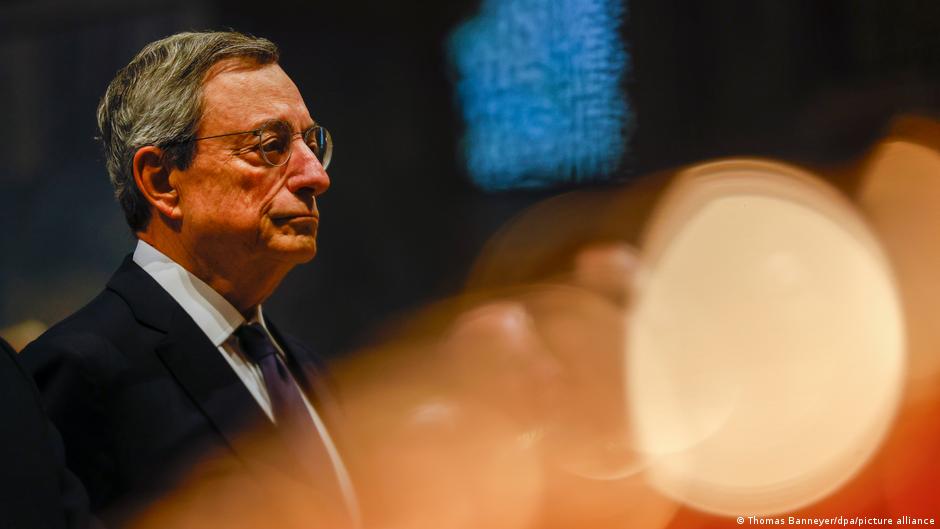
- Mario Draghi receives 2024 Charlemagne Prize for EU unity contributions
- Former ECB chief stabilized euro during debt crisis
- Draghi honored for 2024 competitiveness reform report
Mario Draghi, Italy’s former prime minister and European Central Bank (ECB) president, has been awarded the 2024 International Charlemagne Prize of Aachen for his role in advancing European unity. The prize, presented on May 14 in Aachen, Germany, recognizes individuals who contribute significantly to the development of a united Europe. German Chancellor Friedrich Merz honored Draghi during the ceremony, emphasizing his critical role in stabilizing the euro during the bloc’s debt crisis. “You took charge of the euro during a time of crisis, and you stabilized the euro and the eurozone,” Merz said. The award also highlights Draghi’s 2024 report on European competitiveness, which outlines reforms needed to strengthen the EU’s economic position.
Draghi, often nicknamed “Super Mario,” led the ECB from 2011 to 2019, a period marked by severe financial turbulence. His decisive actions, including the famous 2012 pledge to do “whatever it takes” to preserve the euro, reassured markets and prevented the collapse of the single currency. This commitment earned him widespread acclaim across Europe. His influence extended beyond monetary policy; Draghi’s policy recommendations and strategic insights have shaped EU economic governance for over a decade. The Charlemagne Prize jury cited his contributions to both crisis management and long-term reform as key reasons for his selection.
Before his tenure at the ECB, Draghi built a distinguished career in academia, public service, and finance. He served as a professor of economics at several Italian universities, including the University of Florence and the University of Rome. His public service roles included positions at the Italian Treasury and as executive director at the World Bank. Between 2002 and 2005, he worked as a senior director at Goldman Sachs, where he provided strategic financial advice. His diverse background reflects a deep understanding of both theoretical economics and practical policy-making.
In addition to his professional achievements, Draghi has been a prominent voice in European policymaking. His 2024 report on the future of European competitiveness called for bold reforms, including increased investment in technology, infrastructure, and education. The report has been widely discussed in EU capitals and is expected to influence future policy discussions, particularly as Europe seeks to compete with the United States and China. Policymakers and economists have praised the report for its comprehensive analysis and pragmatic recommendations. The Charlemagne Prize underscores the significance of Draghi’s work in laying the groundwork for a more resilient and competitive EU.
The Charlemagne Prize, established in 1949, is one of Europe’s most prestigious awards. It commemorates Charlemagne, the medieval emperor who united much of Western Europe. Past recipients include figures such as Winston Churchill, Angela Merkel, and Pope Francis, all recognized for their contributions to European integration. The prize ceremony in Aachen, a city closely associated with Charlemagne’s legacy, adds symbolic weight to the honor. This year’s award places Draghi in the company of some of the most influential European leaders of the past century.
Looking ahead, Draghi’s influence is expected to continue shaping EU policy debates. His insights on competitiveness and economic reform will likely remain central to discussions about the bloc’s future, particularly as it grapples with challenges such as digital transformation, geopolitical tensions, and climate change. The Charlemagne Prize not only celebrates Draghi’s past achievements but also highlights the ongoing need for leadership in navigating Europe’s complex economic landscape. His work serves as a reminder of the importance of stability and reform in maintaining the EU’s cohesion and global standing.
What You Need to Know
- Source: Deutsche Welle
- Published: May 14, 2026 at 14:25 UTC
- Category: World
- Topics: #europe · #world-news · #mario-draghi · #charlemagne-prize · #italy
Read the Full Story
This is a curated summary. For the complete article, original data, quotes and full analysis:
All reporting rights belong to the respective author(s) at Deutsche Welle. GlobalBR News summarizes publicly available content to help readers discover the most relevant global news.
Curated by GlobalBR News · May 14, 2026
Related Articles
- Zimbabwe’s diaspora reshapes real estate and farming investment trends
- Eurovision 2024 faces scrutiny over Israel’s participation amid war
- War in the Middle East: Israel targets top Hamas leader in Gaza
🇧🇷 Resumo em Português
O ex-primeiro-ministro italiano e ex-presidente do Banco Central Europeu, Mario Draghi, acaba de ser consagrado com o prestigioso Prêmio Charlemagne 2024, uma honraria que celebra sua contribuição decisiva para a unidade europeia e a estabilidade do euro durante momentos de crise. A notícia, anunciada nesta terça-feira, reforça o reconhecimento internacional ao trabalho de um dos economistas mais influentes do continente, cuja trajetória agora ganha ainda mais destaque no cenário global.
A escolha de Draghi para receber o prêmio não é mera coincidência: durante sua gestão na presidência do Banco Central Europeu (2011-2019), ele foi peça-chave na contenção da crise da dívida soberana europeia, implementando medidas arrojadas como o programa de compra de títulos que evitou o colapso de países como Grécia, Irlanda e Portugal. Para o Brasil, país que mantém relações comerciais e políticas intensas com a União Europeia, a trajetória de Draghi serve como exemplo de como lideranças firmes podem evitar desastres econômicos e promover a integração regional — lições valiosas em um mundo cada vez mais volátil. Além disso, o prêmio chega em um momento em que a Europa debate sua autonomia estratégica, tema que afeta diretamente os interesses brasileiros no comércio e na geopolítica.
Com o anúncio, abre-se uma nova frente de reflexão: como os países emergentes, como o Brasil, podem se inspirar em figuras como Draghi para construir políticas públicas resilientes frente às crises globais que se anunciam, especialmente em um ano de eleições importantes na União Europeia.
🇪🇸 Resumen en Español
El expresidente del Banco Central Europeo, Mario Draghi, ha sido galardonado con el prestigioso Premio Carlomagno 2024 en reconocimiento a su labor esencial para fortalecer la unidad europea y estabilizar la moneda única en momentos críticos, consolidándose como un referente de la integración continental.
El premio no solo premia su gestión durante la crisis del euro y la pandemia, sino que llega en un momento clave para Europa, donde la guerra en Ucrania y las tensiones geopolíticas exigen mayor cohesión entre los Estados miembros. Para los lectores hispanohablantes, este reconocimiento subraya la importancia de figuras que impulsan políticas comunes en un continente marcado por divisiones históricas, mientras refleja cómo las decisiones económicas europeas tienen un impacto directo en el día a día de millones de ciudadanos.
Deutsche Welle
Read full article at Deutsche Welle →This post is a curated summary. All rights belong to the original author(s) and Deutsche Welle.
Was this article helpful?

Discussion