Reform US Coast Guard small boat stations to align local units with global maritime threats and improve efficiency.
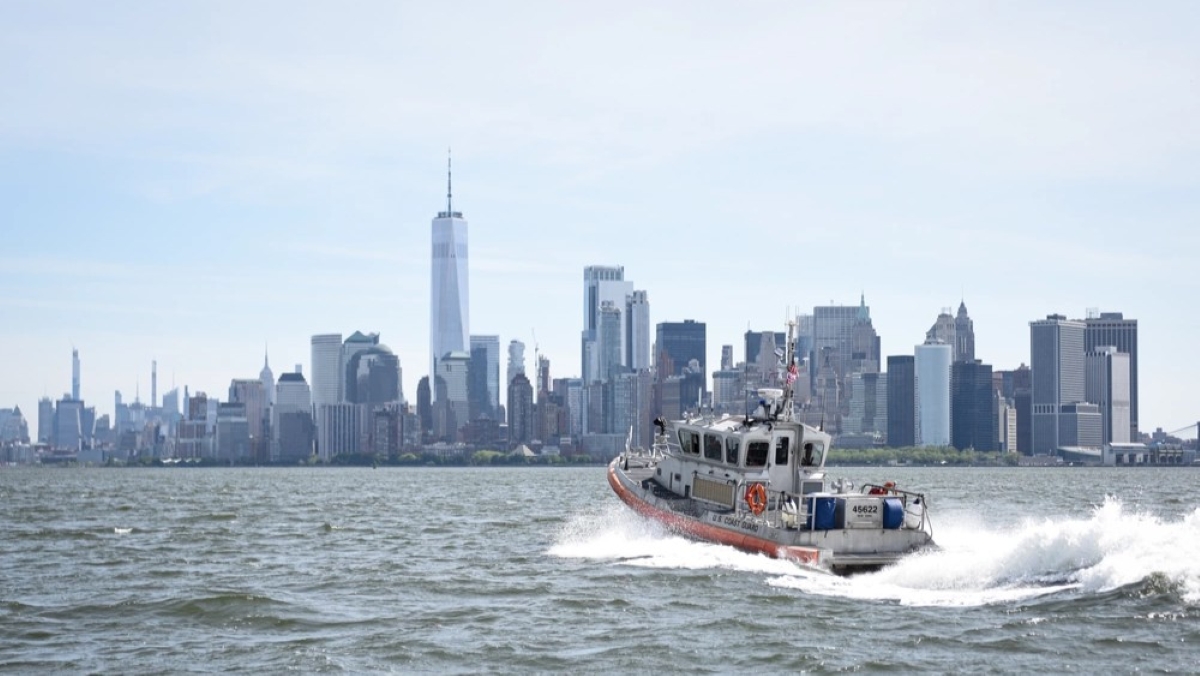
- Senators questioned Coast Guard small boat stations during commandant hearing
- Stations face closure challenges despite operational inefficiencies
- Proposed model aims to align mission with national maritime priorities
U.S. Coast Guard small boat stations are under scrutiny for their operational relevance amid global maritime threats. During the Senate confirmation hearing for the next commandant of the U.S. Coast Guard, senators pressed for answers about the role of these local units. While global concerns like Arctic competition, cyber threats to ports, migration pressures, and severe storms dominated discussions, senators repeatedly returned to the performance of Coast Guard units in their own states.
The debate highlights a persistent challenge: closing small boat stations has proven politically and logistically difficult, yet leaving them unchanged creates operational inefficiencies. These stations, long-standing components of the Coast Guard’s force structure, often fail to realize their full potential in addressing national priorities. A new model proposed in the article suggests a way to better align their mission with the evolving demands of maritime security.
Stations Struggle to Meet Modern Threats
The Coast Guard operates a network of small boat stations across the U.S., designed to respond to local maritime incidents. However, their capabilities are increasingly misaligned with global threats that require a more integrated and flexible approach. Senators at the hearing underscored the need for these units to adapt, citing examples like the Russo-Ukrainian War, which has reshaped security dynamics in Europe and beyond.
The inefficiencies stem from outdated operational models that do not prioritize the Coast Guard’s broader strategic role. For instance, many stations lack the resources or training to address cyber threats targeting critical port infrastructure, a growing concern for national security. The proposed reform aims to bridge this gap by reallocating resources and updating mission parameters.
A Proposed Model for Reform
The article presents a model to restructure small boat stations, emphasizing their dual role in both local response and national defense. Key components include enhanced training for cyber and Arctic operations, as well as improved coordination with federal agencies like the Department of Homeland Security and NOAA.
Critics argue that the current system leaves gaps in coverage, particularly in remote or high-risk areas. The reform seeks to address these gaps by leveraging the stations’ existing infrastructure while expanding their operational scope. For example, stations in Alaska could play a larger role in Arctic security, given the region’s strategic importance and the growing competition with Russia and China.
Political and Operational Challenges
Reforming the small boat station network is not without obstacles. Political resistance from local communities and lawmakers often stalls efforts to close or restructure stations, despite evidence of inefficiency. The Coast Guard must balance these local interests with the need to modernize its force structure to meet 21st-century threats.
Operational challenges include limited funding and competing priorities within the agency. The proposed model requires significant investment in technology, training, and personnel to implement effectively. However, advocates argue that the long-term benefits—such as improved response times and enhanced national security—justify the costs.
What’s Next for the Coast Guard?
The Senate hearing signals growing bipartisan interest in reforming the Coast Guard’s small boat station network. The next commandant will play a critical role in shaping the agency’s future direction, particularly in aligning local operations with global security needs. While the path forward remains uncertain, the pressure to adapt is undeniable.
The broader implications of these reforms extend beyond the Coast Guard. A more agile and responsive maritime security apparatus could serve as a model for other federal agencies facing similar challenges. As global threats evolve, the need for such reforms will only intensify.
What You Need to Know
- Source: War on the Rocks
- Published: April 24, 2026 at 07:30 UTC
- Category: War
- Topics: #defense · #military · #geopolitics · #war · #nato · #presence
Read the Full Story
This is a curated summary. For the complete article, original data, quotes and full analysis:
All reporting rights belong to the respective author(s) at War on the Rocks. GlobalBR News summarizes publicly available content to help readers discover the most relevant global news.
Curated by GlobalBR News · April 24, 2026
Related Articles
- Wembanyama’s Spurs reach Western finals, Pistons stay alive in NBA playoffs
- 🎉 250 Articles in War!
- 🎉 100 Articles in War!
🇧🇷 Resumo em Português
O Brasil, que depende de mais de 7 mil quilômetros de costa para comércio, segurança e soberania, assiste com atenção a um debate que pode redefinir a estratégia de defesa marítima dos Estados Unidos: a modernização das pequenas estações de barcos da Guarda Costeira americana, responsáveis por patrulhar águas costeiras e responder a ameaças locais. Enquanto Washington discute como aperfeiçoar a eficiência dessas unidades — que, embora vitais, enfrentam problemas de infraestrutura e coordenação —, a discussão ganha relevância para o Brasil, especialmente quando o país busca expandir sua própria capacidade de fiscalização e resposta rápida no mar, como no caso da proteção da Amazônia Azul e no combate ao narcotráfico.
A proposta em pauta no Congresso dos EUA sugere que a Guarda Costeira pode — e deve — ter ambas: presença constante no litoral e capacidade operacional aprimorada, sem abrir mão do papel estratégico em missões globais. Para o Brasil, que já enfrenta desafios semelhantes com a Marinha e a Força Aérea na vigilância de suas águas, a discussão serve como um espelho. A experiência americana, que oscila entre a necessidade de cortar custos e a pressão por mais efetividade em regiões críticas, pode inspirar reformas tupiniquins, como a ampliação de bases fluviais na Região Norte ou a integração de tecnologias de vigilância autônoma ao longo da costa.
Se os senadores norte-americanos conseguirem avançar com as mudanças, o Brasil não apenas observará os resultados, como também poderá acelerar seus próprios projetos de modernização, buscando um equilíbrio entre orçamento enxuto e presença estratégica no mar.
🇪🇸 Resumen en Español
El aumento de la presión sobre las pequeñas estaciones de botes de la Guardia Costera de EE.UU. ha puesto en evidencia un sistema que, pese a su valor duradero, adolece de graves ineficiencias que comprometen su capacidad operativa.
Ante la creciente amenaza global en el ámbito marítimo —desde el narcotráfico hasta la migración irregular—, senadores estadounidenses exigen reformas urgentes para modernizar estas unidades locales, que hoy operan con recursos desactualizados y estructuras obsoletas. La relevancia de este debate trasciende fronteras: España, con una de las costas más extensas de Europa y una posición geoestratégica clave en el Mediterráneo y el Atlántico, enfrenta desafíos similares en la gestión de sus guardacostas. La discusión sobre cómo equilibrar presencia y capacidad a través de estaciones eficientes no solo define el futuro de la seguridad marítima de EE.UU., sino que también ofrece lecciones valiosas para otros países que, como el nuestro, dependen de un modelo híbrido entre defensa y salvamento en sus aguas.
War on the Rocks
Read full article at War on the Rocks →This post is a curated summary. All rights belong to the original author(s) and War on the Rocks.
Was this article helpful?



Discussion