Daniel Libeskind turns 80 still designing globally influential buildings with deep historical meaning.
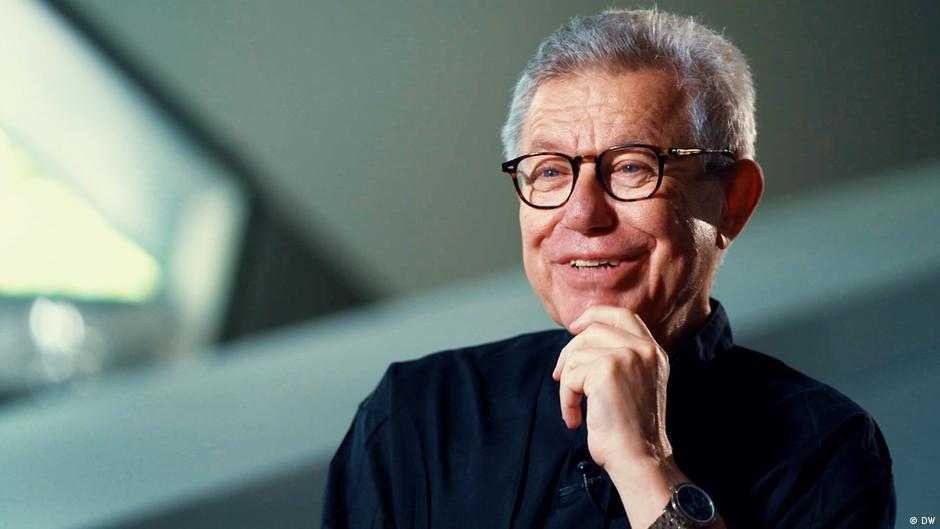
- Libeskind celebrates 80th birthday on May 12 with active projects worldwide
- Designed Berlin’s Jewish Museum and New York’s Ground Zero reconstruction
- Leads Studio Daniel Libeskind with new projects in development
Polish-American architect Daniel Libeskind marked his 80th birthday on May 12 with no signs of slowing his pace in designing some of the world’s most culturally significant buildings. His firm, Studio Daniel Libeskind, remains one of the most sought-after architecture practices globally, known for large-scale projects that merge deconstructivist design with complex historical narratives.
From Ground Zero to Berlin
Libeskind’s portfolio includes two of the most recognized works in modern architecture: the Jewish Museum Berlin and the reconstruction of the former World Trade Center site in New York City, known as Ground Zero. The Berlin museum, completed in 2001, transformed how nations memorialize difficult histories through its jagged, angular design and immersive exhibits. Ground Zero’s One World Trade Center, completed in 2014, became a symbol of resilience and renewal following the 2001 terrorist attacks.
Libeskind’s work often tackles sites of profound historical weight. He was born in Łódź, Poland, in 1946 and moved to New York City in 1957. His personal history—including surviving World War II in Poland and later living under communism—shaped his approach to architecture as a medium for remembrance and progress. His designs frequently challenge conventional forms to evoke emotional responses and provoke reflection.
New projects focus on education and memory
Several new projects underscore Libeskind’s ongoing commitment to historical education and memory. In 2025, he announced plans for the Auschwitz Research Center on Hate, Extremism and Radicalization (ARCHER), which will repurpose the former house of Rudolf Höss, the commandant of the Auschwitz concentration camp. The center will serve as an anti-extremism and educational hub, aiming to combat hate through historical lessons and modern research.
Another major project, the Albert Einstein Discovery Center in Ulm, Germany, is set to honor the theoretical physicist’s birthplace. Scheduled for construction in the early 2030s, the center will explore Einstein’s contributions to science, technology, pacifism, humanism and international understanding. Libeskind’s designs for both projects reflect his belief that architecture can be a tool for healing and enlightenment.
Libeskind’s influence extends beyond individual buildings. His firm is involved in urban planning projects that reimagine cityscapes through the lens of historical memory. Recent commissions include cultural centers in Europe and Asia, each designed to foster dialogue and reconciliation. His ability to balance artistic innovation with narrative depth has cemented his reputation as a thought leader in architecture.
Legacy and future impact
As Libeskind ages into his ninth decade, his work continues to attract global attention. He remains actively involved in projects across multiple continents, often collaborating with local communities to ensure designs resonate with cultural contexts. His approach prioritizes public engagement, ensuring that buildings are not just structures but living spaces for reflection and education.
Looking ahead, Libeskind’s firm is expanding its focus on sustainability and adaptive reuse, transforming existing sites rather than always building anew. This shift aligns with broader trends in architecture toward environmental responsibility and historical preservation. His upcoming projects are expected to further blur the lines between art, memory and activism, reinforcing his status as a visionary who uses buildings to tell stories that matter.
For those studying architecture, Libeskind’s career offers lessons in the power of design to shape society. His buildings do not merely stand—they challenge, they educate and they inspire. As he celebrates this milestone, the world watches to see how his next creations will continue to redefine the relationship between space, memory and humanity.
What You Need to Know
- Source: Deutsche Welle
- Published: May 11, 2026 at 14:07 UTC
- Category: World
- Topics: #europe · #world-news · #architecture · #daniel-libeskind · #famous
Read the Full Story
This is a curated summary. For the complete article, original data, quotes and full analysis:
All reporting rights belong to the respective author(s) at Deutsche Welle. GlobalBR News summarizes publicly available content to help readers discover the most relevant global news.
Curated by GlobalBR News · May 11, 2026
Related Articles
- Zimbabwe’s diaspora reshapes real estate and farming investment trends
- 🎉 250 Articles in World!
- Eurovision 2024 faces scrutiny over Israel’s participation amid war
🇧🇷 Resumo em Português
O visionário da arquitetura contemporânea, Daniel Libeskind, completa 80 anos com um legado que transcende fronteiras e redefine o significado de construir memória e esperança. Nascido na Polônia, naturalizado americano e radicado na Alemanha, o arquiteto polonês, cujo trabalho é sinônimo de emoção e simbolismo, deixa sua marca em obras que vão do icônico Museu Judaico em Berlim ao sombrio Memorial do 11 de Setembro em Nova York. Sua trajetória, marcada pela resistência e pela reinvenção, ressoa especialmente no Brasil, onde arquitetos e urbanistas buscam equacionar história, identidade e inovação em projetos cada vez mais urgentes.
Libeskind, que fugiu com a família do regime comunista na Polônia ainda criança, transformou suas experiências em linguagem arquitetônica, projetando espaços que não apenas abrigam, mas também provocam reflexão. No Brasil, onde o debate sobre preservação de memória e acessibilidade urbana ganha força, suas criações — como a reconstrução do World Trade Center e a expansão do Royal Ontario Museum — servem de inspiração para profissionais que enfrentam desafios semelhantes, como a ressignificação de áreas degradadas ou a integração de comunidades marginalizadas. Seu trabalho desafia a neutralidade do concreto e do aço, transformando-os em narrativas poderosas, algo que encontra eco nas demandas brasileiras por uma arquitetura mais humana e engajada.
Às vésperas de completar oito décadas, Libeskind não dá sinais de recuar: seu estúdio continua ativo em projetos na Europa, América e Ásia, enquanto suas palestras e escritos motivam uma nova geração a pensar a arquitetura como ato político e social. No Brasil, que ainda busca conciliar crescimento urbano com identidade cultural, a obra de Libeskind permanece como um lembrete de que os prédios podem — e devem — contar histórias.
🇪🇸 Resumen en Español
El arquitecto polaco-estadounidense Daniel Libeskind, figura clave en la arquitectura contemporánea, cumple 80 años con un legado que trasciende fronteras y confines. Sus obras, desde el Museo Judío de Berlín hasta el complejo del World Trade Center en Nueva York, han redefinido los espacios de memoria y esperanza en el mundo.
Libeskind, pionero en fusionar historia y diseño, ha dejado una huella imborrable en ciudades como Toronto, Tel Aviv y Varsovia, donde sus proyectos dialogan con el dolor y la resiliencia. Para el público hispanohablante, su influencia se refleja en discusiones sobre identidad, reconstrucción urbana y el papel del arte en la sanación colectiva, especialmente en contextos posconflicto o de crisis social. Su enfoque, que desafía convenciones, invita a repensar cómo los edificios pueden narrar historias y sanar heridas, un tema cada vez más relevante en un mundo marcado por divisiones.
Deutsche Welle
Read full article at Deutsche Welle →This post is a curated summary. All rights belong to the original author(s) and Deutsche Welle.
Was this article helpful?



Discussion