Philippine senator Ronald dela Rosa evades ICC-linked arrest after dramatic escape from Senate.
- Wanted senator Ronald dela Rosa escaped Senate custody amid ICC charges
- Former police chief faces allegations over Philippines drug war deaths
- Authorities confirm senator vanished despite heavy security presence
The Philippines’ Senate building became the stage for a dramatic escape this week as Senator Ronald dela Rosa, the architect of the country’s controversial drug war, evaded law enforcement after a court ordered his arrest. Dela Rosa, facing potential charges from the International Criminal Court (ICC) for crimes against humanity, outmaneuvered government forces, rallied supporters, and slipped away unnoticed in the dead of night from one of the most secure facilities in Manila.
Senator wanted by ICC vanishes from Senate custody
Security footage showed dela Rosa moving through the Senate building on Monday, just hours after a Manila court issued an arrest warrant tied to his role as police chief during the drug war’s deadliest years. The court’s order came after the ICC authorized a probe into allegations that thousands of extrajudicial killings occurred under his command. Despite the warrant, dela Rosa left the Senate premises undetected, leaving authorities scrambling to explain how a high-profile fugitive could disappear from a fortified government complex.
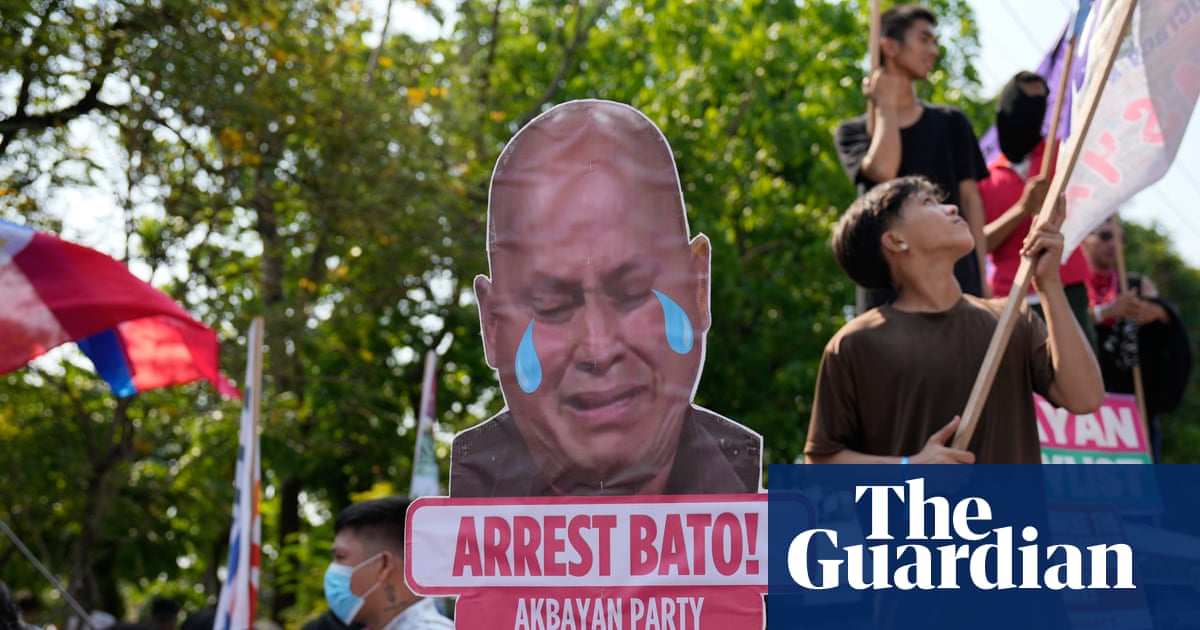
Witnesses described a chaotic scene inside the Senate as law enforcement officers arrived to serve the warrant. Protesters gathered outside, chanting slogans in support of dela Rosa, while inside, the senator reportedly led a group of allies in singing a military hymn—a defiant act captured on video and shared widely on social media. Moments later, gunfire erupted in a nearby hallway, though no injuries were reported. By the time security forces secured the area, dela Rosa was gone.
Government faces scrutiny over security failure
The escape has triggered sharp criticism of President Ferdinand Marcos Jr.’s administration, with opposition lawmakers and rights groups accusing the government of deliberately allowing dela Rosa to avoid arrest. Senator dela Rosa, a close ally of the president, has denied wrongdoing and framed the ICC’s actions as politically motivated. His supporters in Congress have vowed to block any attempt to extradite him, citing national sovereignty.
The ICC’s pre-trial chamber ruled in January that crimes against humanity likely occurred during the drug war, clearing the way for a formal investigation. Dela Rosa, known for his unapologetic support of President Rodrigo Duterte’s war on drugs, has been a polarizing figure in Philippine politics. His evasion raises questions about the government’s commitment to accountability and international justice.
Security experts question how a senator could leave a building with multiple checkpoints and heavy police presence without detection. The Senate sergeant-at-arms admitted there were lapses but declined to specify how the fugitive slipped away. The Philippine National Police have launched a nationwide manhunt, while dela Rosa’s legal team claims he is cooperating with authorities—though his whereabouts remain unknown.
Broader implications for ICC investigations in the Philippines
The senator’s disappearance complicates efforts to hold officials accountable for abuses linked to the drug war, which killed an estimated 6,000 people according to government figures—or as high as 30,000 by rights groups’ counts. The ICC has warned that failing to cooperate could lead to further legal consequences, including contempt charges or sanctions against the Philippines.
Analysts suggest the government may be using procedural delays to shield allies from prosecution. Dela Rosa’s case is the first major test of the ICC’s ability to pursue allegations against Philippine officials, and his evasion could embolden others facing similar charges. The international community has closely watched the case, with human rights organizations urging Manila to comply with the court’s rulings.
What happens next remains unclear. The Senate has called for an investigation into the security breach, while dela Rosa’s allies continue to rally support. The ICC, meanwhile, has reiterated its demand for cooperation, leaving the Philippines at a crossroads between domestic politics and international justice.
What You Need to Know
- Source: The Guardian
- Published: May 15, 2026 at 23:01 UTC
- Category: World
- Topics: #guardian · #world-news · #international · #war · #conflict · #dela-rosa
Read the Full Story
This is a curated summary. For the complete article, original data, quotes and full analysis:
All reporting rights belong to the respective author(s) at The Guardian. GlobalBR News summarizes publicly available content to help readers discover the most relevant global news.
Curated by GlobalBR News · May 15, 2026
Related Articles
- US proposes 40% cut in Colorado River water for 3 states amid drought
- US-Nigeria joint strike kills ISIS leader in West Africa: Report
- UK insurers charge more or refuse cover for Chinese EVs like Jaecoo
🇧🇷 Resumo em Português
O Senado das Filipinas virou palco de uma caçada humana após o senador Ronald Dela Rosa, acusado pelo Tribunal Penal Internacional (TPI) de crimes contra a humanidade, desaparecer misteriosamente durante uma semana de manobras evasivas. A situação, que lembra roteiro de thriller político, expôs as frágeis fronteiras entre justiça internacional e soberania nacional no Sudeste Asiático, colocando em xeque a credibilidade do sistema jurídico filipino.
A notícia ganha relevância no Brasil não só pela espetacularidade do caso, mas porque toca em questões globais que afetam diretamente o país, como a impunidade de violações de direitos humanos e a cooperação com cortes internacionais. Dela Rosa, ex-chefe da polícia durante a controversa guerra às drogas do ex-presidente Rodrigo Duterte — que deixou milhares de mortos —, é acusado de perseguição sistemática contra usuários e traficantes, um crime passível de investigação pelo TPI. Para o Brasil, que recentemente aderiu ao TPI e debate sua relação com a justiça internacional, o caso serve de alerta sobre os desafios de executar mandados de prisão em territórios hostis ou pouco cooperativos.
Enquanto a polícia filipina promete intensificar a busca e o TPI mantém pressão diplomática, a saga do senador evasivo reforça a tensão entre governos que resistem à accountability global e instituições que tentam garantir que crimes hediondos não fiquem impunes.
🇪🇸 Resumen en Español
El exsenador filipino Ronald Dela Rosa, requerido por la Corte Penal Internacional por presuntos crímenes contra la humanidad durante su mandato como jefe de policía, ha logrado esquivar la acción judicial tras una semana de evasivas que culminaron con su desaparición de las sesiones del Senado. La jugada del exfuncionario, vinculado a la sangrienta campaña antidroga del presidente Rodrigo Duterte, ha puesto en jaque la credibilidad de las instituciones filipinas y sus compromisos internacionales.
La huida de Dela Rosa —quien niega las acusaciones y alega persecución política— refleja la tensión entre la justicia global y la soberanía nacional en un país donde el poder ejecutivo ha mostrado escasa colaboración con la CPI. Para la comunidad hispanohablante, especialmente en América Latina donde el debate sobre derechos humanos y crímenes de Estado sigue candente, este caso evoca recuerdos de impunidad en regímenes autoritarios. La situación plantea preguntas incómodas sobre la efectividad de los tribunales internacionales cuando los gobiernos se resisten a cumplir sus fallos, dejando a las víctimas sin reparación y a la comunidad internacional con un desafío moral sin resolver.
The Guardian
Read full article at The Guardian →This post is a curated summary. All rights belong to the original author(s) and The Guardian.
Was this article helpful?


Discussion