Taiwan’s president insists U.S. arms sales deter China, even after Trump questioned their future.
- Taiwan’s leader calls U.S. arms sales the top deterrent against China conflict.
- Lai Ching-te thanked Trump for increasing arms sales during his first term.
- Taiwan stresses U.S. arms deals follow U.S. law and boost regional stability.
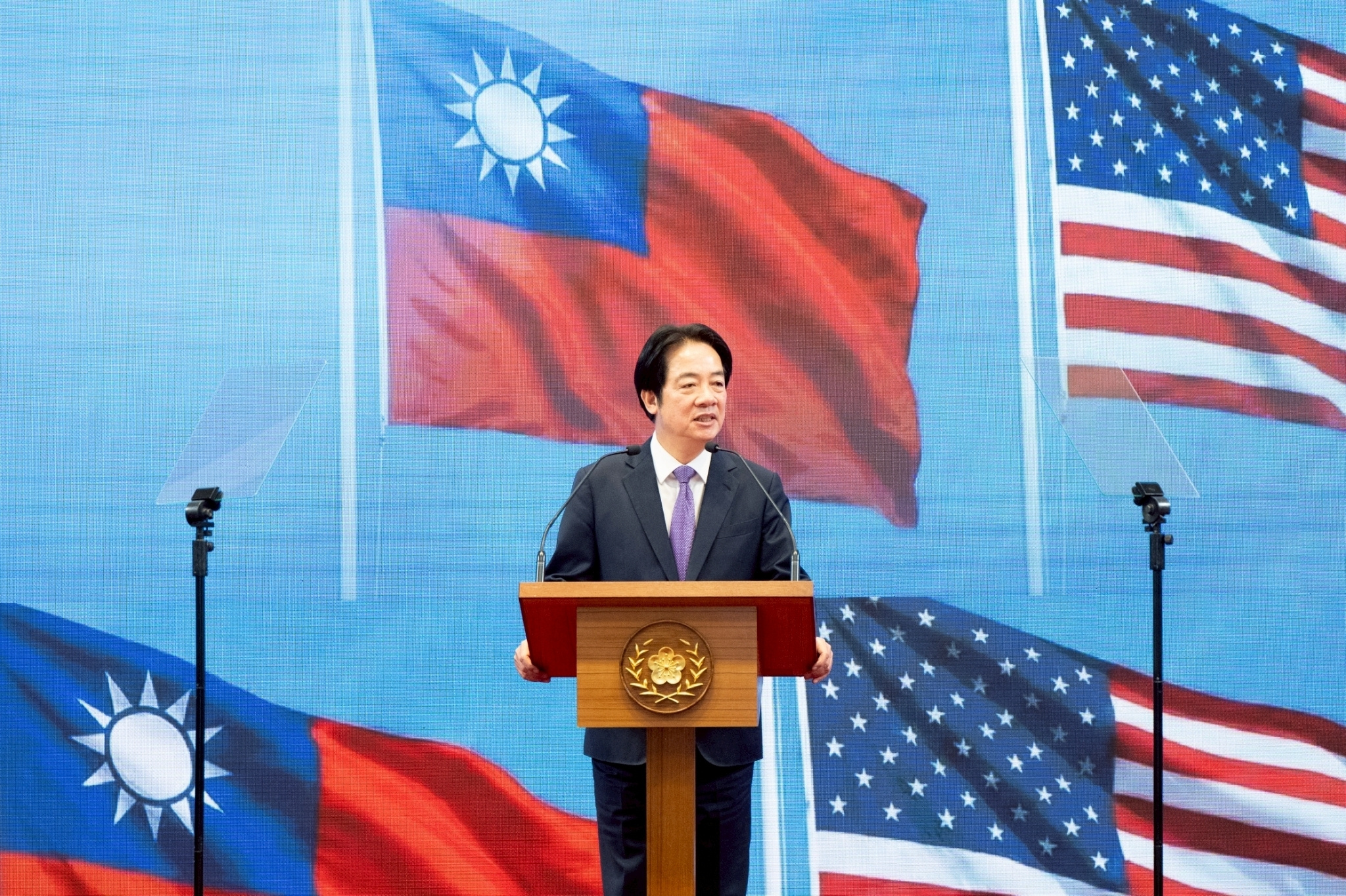
Taiwan’s president Lai Ching-te pushed back hard Sunday against any doubt cast on U.S. military support for the island. In a statement, he called American arms sales “the most important deterrent” to conflict and instability in the Taiwan Strait. The remarks came just days after Donald Trump—during and after a high-profile visit to China—suggested he might rethink continued weapons shipments to Taiwan. Lai didn’t mince words. “We thank President Trump for his continued support for peace and stability across the Taiwan Strait since his first term,” he said, “including the continuous increase in the scale and amount of arms sales to Taiwan.”
Taiwan’s stance is straightforward: U.S. arms deals aren’t just commercial transactions. They’re spelled out in U.S. law—specifically the Taiwan Relations Act—and they’re a core part of regional security. Lai framed the sales as a legal obligation and a practical tool to keep tensions from boiling over. His comments reflect Taipei’s long-held view that military deterrence is the only thing standing between calm and a major crisis with China, which claims Taiwan as its own territory and has never ruled out using force to take it.
Trump’s public hesitation complicates that calculation. During his recent trip to China, he repeatedly downplayed the idea of selling more weapons to Taiwan, calling it a potential bargaining chip with Beijing. The shift is striking because Trump oversaw a major ramp-up in arms sales during his first term—more than $18 billion in approved deals, according to the Pentagon. That included advanced missiles, fighter jets, and drones designed to make any Chinese attack far costlier. Now, his tone suggests he might be open to trading military support for other concessions, a move Taipei clearly fears.
Taiwan isn’t taking any chances. Lai’s statement was released through his office and emphasized that the island’s security depends on predictability—something Trump’s mixed messages threaten to undermine. Analysts say the U.S. has sent mixed signals before, but not since the 1970s has a president openly questioned arms sales this way. The uncertainty is especially risky right now because China has stepped up military drills around Taiwan, including simulated blockades and amphibious assault exercises.
The timing matters. Taiwan’s presidential election last year put Lai in office, and Beijing has already rejected him as a separatist. Meanwhile, China’s military buildup across the strait has accelerated, with new destroyers, stealth fighters, and hypersonic missiles entering service every year. Taiwan’s military, though professional, is outgunned and running low on some key munitions. Taipei argues that without steady U.S. resupply and upgrades, it can’t keep up the deterrence that’s kept the peace for decades.
What happens next could reshape the balance. If Trump slows or stops arms sales, Taiwan would have to scramble to find replacements or stretch existing stockpiles further. That could tempt Beijing to test the waters with more aggressive moves—like tighter blockades or incursions into Taiwan’s air defense zone. For now, Lai’s message is clear: whatever Trump’s next move, Taiwan won’t back down from defending itself. The question is whether Washington will stay as committed as Taipei needs it to be.
What You Need to Know
- Source: Fortune
- Published: May 17, 2026 at 18:13 UTC
- Category: Business
- Topics: #fortune · #business · #economy · #politics · #government · #taiwan
Read the Full Story
This is a curated summary. For the complete article, original data, quotes and full analysis:
All reporting rights belong to the respective author(s) at Fortune. GlobalBR News summarizes publicly available content to help readers discover the most relevant global news.
Curated by GlobalBR News · May 17, 2026
Related Articles
- Zillow’s remote-only hiring brings in talent from all 50 states
- Your fixed mortgage payment keeps rising — here’s why
- Why working-class voices matter for UK culture and media
🇧🇷 Resumo em Português
O presidente de Taiwan, Tsai Ing-wen, reforçou que os recentes acordos de venda de armas dos EUA ao país são essenciais para conter os riscos de conflito na região, justamente em um momento em que a gestão Trump questiona a continuidade desse apoio estratégico. A declaração surge em meio a tensões crescentes no Estreito de Taiwan, onde a China intensifica pressões militares e diplomáticas, enquanto Washington oscila em seu compromisso de longo prazo com a ilha.
Para o Brasil e os países de língua portuguesa, o tema ganha relevância não apenas pela dimensão geopolítica da Ásia-Pacífico, mas também porque reflete os dilemas de segurança enfrentados por nações que dependem de alianças com potências globais. Especialistas brasileiros destacam que a postura de Taiwan pode servir como um sinal de alerta sobre os riscos de uma escalada militar na região, especialmente com a China, principal parceira comercial do Brasil na Ásia. Além disso, a discussão sobre soberania e defesa territorial ressoa em um momento em que o Brasil debate sua própria política externa de não intervenção.
À medida que as eleições nos EUA se aproximam, a política de Washington para Taiwan deve continuar em foco, com possíveis reflexos em acordos comerciais e alianças militares que impactam diretamente a estabilidade global.
🇪🇸 Resumen en Español
La presidenta de Taiwán, Tsai Ing-wen, ha subrayado que los envíos de armamento de Estados Unidos a la isla siguen siendo “el disuasivo más importante” para evitar un conflicto en la región, pese a los cuestionamientos del expresidente Donald Trump sobre su utilidad estratégica frente a China. Pekín, que considera Taiwán una provincia rebelde, ha intensificado en los últimos años sus maniobras militares y retórica belicosa, lo que ha elevado la tensión en el Estrecho de Taiwán, una de las zonas más volátiles del mundo.
La postura de Taiwán adquiere especial relevancia en un contexto de creciente rivalidad entre Washington y Pekín, donde la isla se ha convertido en un punto crítico de fricción. Aunque Trump sugirió que las ventas de armas podrían negociarse como moneda de cambio en las relaciones con China, Taipei insiste en que cualquier debilitamiento de este respaldo militar aumentaría el riesgo de una escalada bélica. Para los hispanohablantes, el tema trasciende lo geopolítico: la estabilidad en Asia Oriental afecta a las cadenas globales de suministro, los precios de tecnologías clave y, en última instancia, la seguridad económica de mercados como el europeo o el latinoamericano, profundamente interconectados con la región.
Fortune
Read full article at Fortune →This post is a curated summary. All rights belong to the original author(s) and Fortune.
Was this article helpful?

Discussion