US prosecutors dropped fraud charges against Gautam Adani after he hired Trump’s lawyer and offered $10bn US investment.
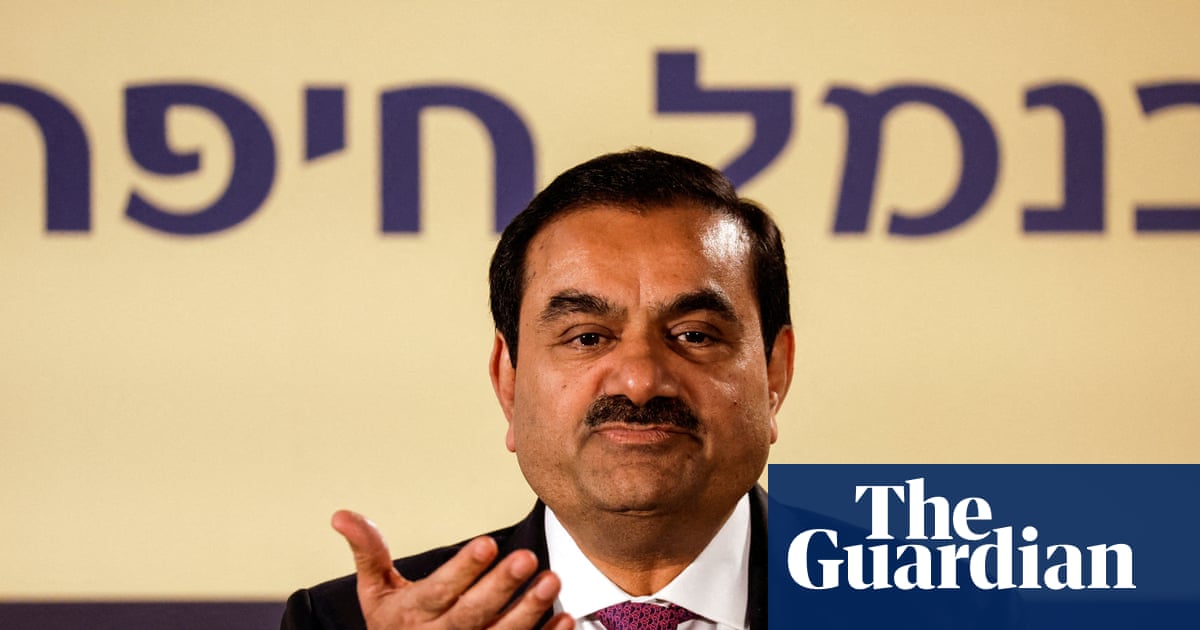
- US dropped fraud charges against Gautam Adani after he hired Trump’s lawyer
- Adani proposed $10bn US investment and 15,000 jobs during April meeting
- Prosecutors cited undisclosed terms before dropping case
The U.S. Department of Justice has dropped fraud charges against Gautam Adani, the Indian billionaire ranked as Asia’s richest man, following an April meeting where his legal team led by Donald Trump’s personal lawyer, Robert J. Giuffra Jr., proposed a $10 billion U.S. investment and the creation of 15,000 jobs in exchange for the case’s dismissal, according to reports from The New York Times and Bloomberg.
Federal prosecutors confirmed the decision to drop the case against Adani’s companies, which had faced allegations of conspiring to pay $250 million in bribes to Indian government officials. The charges were brought under U.S. securities laws, alleging improper market manipulation and false statements to investors. While the Justice Department did not disclose the full terms of the agreement, sources familiar with the matter told The New York Times that the investment pledge played a role in the decision.
Adani, whose business empire spans ports, energy, and infrastructure, has long denied any wrongdoing. His companies have faced multiple regulatory and legal challenges in India and abroad, including a 2023 report by Hindenburg Research that accused the group of stock manipulation and accounting fraud. Adani has called the report baseless and accused it of market manipulation.
The decision to drop the case comes amid growing scrutiny of the Justice Department’s enforcement actions against foreign billionaires and corporations. Legal experts note that such settlements often involve complex negotiations behind closed doors, with outcomes shaped by economic and diplomatic considerations. The case against Adani highlighted broader concerns about corruption risks in global supply chains and cross-border investments.
Gautam Adani’s legal and business history
Gautam Adani, born in 1962 in Ahmedabad, India, built his fortune through the Adani Group, a multinational conglomerate with interests in coal, ports, and renewable energy. His companies operate across 70 countries, and his net worth has fluctuated with market conditions, often placing him among the top 20 richest individuals globally. Despite controversies, Adani has maintained strong political ties in India, where his company has secured major infrastructure contracts.
The dropped charges do not resolve ongoing legal scrutiny in India, where the Enforcement Directorate has continued its investigation into alleged financial irregularities. Indian authorities have not commented publicly on the U.S. decision. Analysts suggest the development could embolden other foreign investors facing similar allegations abroad, particularly in cases involving economic incentives.
What happens next remains unclear. The Justice Department has not detailed the terms of the settlement, and it is not known whether Adani’s companies will face further U.S. regulatory scrutiny. The case’s dismissal may also influence similar cases involving foreign entities, where prosecutors weigh legal merit against potential economic benefits of dropping charges.
For now, the decision marks a significant shift in a high-profile case that had drawn international attention to corporate accountability and the intersection of law, politics, and global business. It also raises questions about how similar cases might be resolved in the future, especially when large-scale investments are on the table.
What You Need to Know
- Source: The Guardian
- Published: May 14, 2026 at 18:35 UTC
- Category: World
- Topics: #guardian · #world-news · #international · #business · #economy · #indian
Read the Full Story
This is a curated summary. For the complete article, original data, quotes and full analysis:
All reporting rights belong to the respective author(s) at The Guardian. GlobalBR News summarizes publicly available content to help readers discover the most relevant global news.
Curated by GlobalBR News · May 14, 2026
Related Articles
- Eurovision 2024 faces scrutiny over Israel’s participation amid war
- US Justice Department preparing indictment against Raúl Castro
- US planning to criminally indict ex-Cuban leader Raúl Castro
🇧🇷 Resumo em Português
O bilionário indiano Gautam Adani, homem mais rico da Ásia, viu as acusações de fraude contra ele serem retiradas pelos EUA após um movimento estratégico: a contratação do advogado do ex-presidente Donald Trump e um compromisso de investir US$ 10 bilhões no país. A decisão do Departamento de Justiça americano surpreendeu o mercado e reacendeu o debate sobre a influência de figuras poderosas no sistema judicial internacional.
O episódio coloca em xeque a transparência das investigações corporativas nos EUA, especialmente quando envolvem empresas estrangeiras com peso geopolítico e econômico. Para o Brasil, a situação serve como alerta sobre os riscos de depender de acordos bilaterais ou de figuras influentes para resolver disputas judiciais, mesmo que em jurisdições distantes. Além disso, levanta questionamentos sobre como a justiça americana lida com casos de grande repercussão midiática, onde a pressão política e midiática pode pesar mais do que os fatos apurados.
A próxima etapa será observar se a decisão abrirá precedentes para outros casos envolvendo empresários estrangeiros nos EUA ou se foi um episódio isolado, movido por interesses estratégicos.
🇪🇸 Resumen en Español
El Departamento de Justicia de Estados Unidos ha archivado las acusaciones de fraude contra Gautam Adani, el hombre más rico de Asia, en un giro que levanta sospechas sobre la influencia de las conexiones políticas en la justicia.
La decisión llega tras la contratación por parte de Adani de un abogado vinculado al expresidente Donald Trump y su promesa de invertir diez mil millones de dólares en el país, lo que ha reavivido debates sobre la equidad en el sistema judicial estadounidense para los grandes magnates. Para los hispanohablantes, este caso refleja cómo el poder económico y las redes políticas pueden alterar el curso de investigaciones que, en otros contextos, podrían ser inapelables, cuestionando así la credibilidad de las instituciones en casos de corrupción o fraude a gran escala.
The Guardian
Read full article at The Guardian →This post is a curated summary. All rights belong to the original author(s) and The Guardian.
Was this article helpful?


Discussion