Six states are fighting utilities over skyrocketing electric bills driven by AI demand.
- Prosecutors in six states challenge utility rate hikes
- AI boom drives up power demand and electricity costs
- Officials say utilities profit while families struggle to pay bills
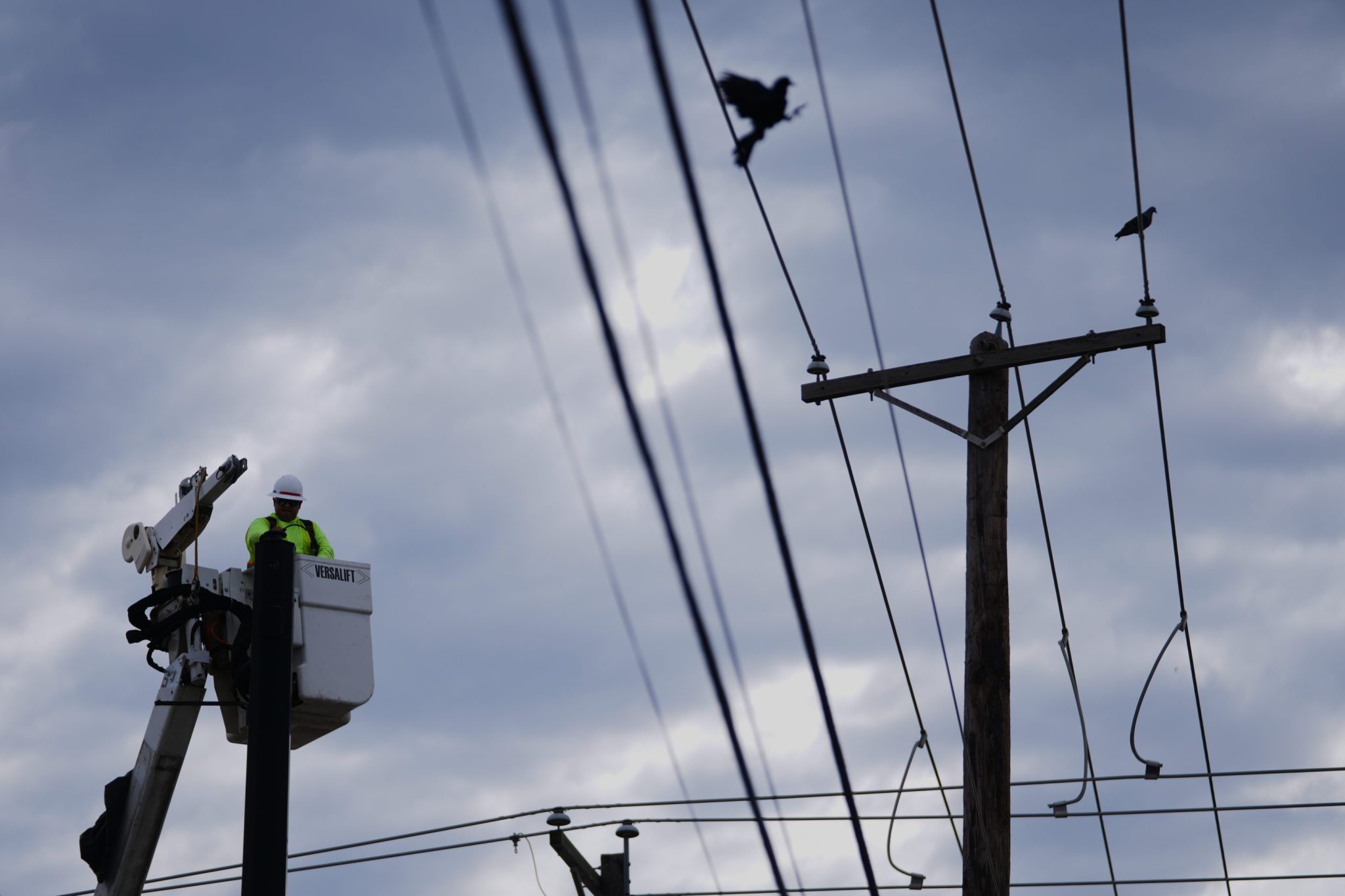
Governors and attorneys general in at least six states—Arizona, Indiana, Maryland, New Jersey, New York and Pennsylvania—are pushing back hard against utilities over soaring electric bills. They say companies are raking in profits while families drown in debt. The fight’s heating up as the AI boom drives up power demand, leaving customers with bills that keep climbing. The pushback’s no accident—it’s happening in the middle of a midterm election year where affordability’s the top issue for Democrats trying to loosen Republican control in Washington. Kris Mayes, Arizona’s Democratic attorney general running for reelection, is leading the charge. She’s challenging utility rate hikes and pushing for a total overhaul of how utilities finance major system upgrades. In her view, the current system lets companies cash in while families get crushed. “This isn’t just about numbers on a bill,” Mayes said. “It’s about people choosing between groceries and keeping the lights on.”
The battle’s not just political theater. Utilities argue they need higher rates to fund grid upgrades, including those powering AI data centers that are gobbling up electricity. But critics say the math doesn’t add up. In Arizona, regulators approved a $2 billion rate hike for Arizona Public Service, the state’s largest utility. That’s on top of a 30% jump in rates over the past three years. Customers are getting hit with bills that can top $500 a month in summer, a crushing blow for retirees and low-income families. Similar fights are flaring up nationwide as AI’s energy appetite outpaces the grid’s ability to keep up. The strain’s showing up in monthly bills, especially in states where utilities have near-monopoly control over power.
Indiana’s Northern Indiana Public Service Company is facing scrutiny after proposing a $1.2 billion rate hike. Governor Eric Holcomb, a Republican, called the request “unreasonable” and ordered state regulators to dig deeper. In Maryland, Baltimore Gas and Electric faces pushback from Wes Moore, the Democratic governor, who’s demanding a freeze on new charges until the company proves it’s not overcharging customers. Moore’s under pressure from voters who’ve seen their bills jump 25% in two years.
New York’s Con Edison is another target. The utility wants a $500 million rate hike to fund grid upgrades, including lines for new AI data centers in Westchester County. But Kathy Hochul, New York’s governor, is pushing back. She’s ordered a review of the company’s spending, saying she won’t let profiteering fly. “Con Ed’s profits are up 12% this year,” Hochul said. “Meanwhile, families are skipping meals to pay their bills. That’s not how this is supposed to work.”
The fights are exposing deep flaws in how utilities charge customers. Critics say the system’s built to reward shareholders, not protect consumers. Utilities get guaranteed returns on investments, meaning they profit whether or not their upgrades actually help customers. Meanwhile, ratepayers foot the bill for projects like new substations to power data centers—even if those centers mostly serve tech giants like Microsoft or Amazon, not regular folks. The tension’s boiling over in states where Democrats control the governor’s mansion. They’re using the issue to hammer Republicans on kitchen-table economics ahead of November’s vote.
What happens next? States are filing lawsuits, demanding audits, and pushing for new rules to cap profits or block rate hikes until utilities prove their costs are justified. Some are even exploring public power options, like municipal utilities, to break the grip of for-profit companies. But the road’s not easy. Utilities have deep pockets and powerful lobbyists. They’ll argue that without higher rates, the grid will collapse under the strain of AI’s hunger for power. For now, the standoff’s set to get uglier as summer heats up and bills climb even higher.
What You Need to Know
- Source: Fortune
- Published: May 17, 2026 at 14:40 UTC
- Category: Business
- Topics: #fortune · #business · #economy · #machine-learning · #some
Read the Full Story
This is a curated summary. For the complete article, original data, quotes and full analysis:
All reporting rights belong to the respective author(s) at Fortune. GlobalBR News summarizes publicly available content to help readers discover the most relevant global news.
Curated by GlobalBR News · May 17, 2026
Related Articles
- Zillow’s remote-only hiring brings in talent from all 50 states
- Why working-class voices matter for UK culture and media
- Kevin Warsh’s Fed takeover: 5 things Wall Street is really watching
🇧🇷 Resumo em Português
Os estados brasileiros já começam a acender o sinal vermelho contra o que classificam como “ganância corporativa explícita” das distribuidoras de energia, enquanto os lucros dessas empresas batem recordes e as contas de luz dos consumidores explodem, impulsionadas não apenas pela inflação, mas também pelo aumento do consumo energético gerado pela expansão da inteligência artificial no país. A revolta não poupa nem mesmo governadores tradicionalmente alinhados ao setor, que agora ameaçam regulamentar tarifa e até expropriar ativos, num movimento que lembra a tensão recentemente vista nos Estados Unidos, mas com um agravante local: a dependência brasileira de termelétricas a combustível fóssil, que encarece ainda mais o custo da energia justamente quando o mundo cobra transição energética.
O Brasil, que já convive com uma das tarifas de energia mais altas do mundo — mesmo com matriz majoritariamente renovável —, enfrenta agora um novo paradoxo: enquanto as distribuidoras registram margens de lucro nunca vistas, o bolso do consumidor murcha. A pressão é ainda maior em estados como São Paulo e Minas Gerais, onde a retomada industrial e o crescimento do uso de data centers — essenciais para a expansão da IA no país — elevam a demanda por eletricidade num ritmo que as distribuidoras não conseguem acompanhar sem repassar custos. Especialistas alertam que, sem uma regulação mais rígida ou investimentos urgentes em geração distribuída, o Brasil pode mergulhar numa crise energética não de escassez, mas de preços insustentáveis.
Enquanto o Congresso discute um novo marco regulatório para o setor, a sociedade já se organiza: associações de defesa do consumidor anunciam ações judiciais contra reajustes abusivos, e pelo menos três estados estudam projetos de lei para limitar a remuneração das concessionárias — um movimento que, se concretizado, pode redefinir a relação entre poder público, empresas e cidadãos no Brasil.
🇪🇸 Resumen en Español
La ofensiva de varios estados de EE.UU., como Arizona y Nueva York, contra las eléctricas por su “descarada avaricia corporativa” al registrar beneficios récord mientras los consumidores se ahogan con facturas infladas por el uso de inteligencia artificial.
Las empresas energéticas han visto cómo sus ganancias se disparaban, en parte gracias al incremento del consumo eléctrico impulsado por centros de datos y sistemas de IA, pero los usuarios denuncian que el aumento de precios no se corresponde con una mejora en el servicio. Reguladores y gobiernos estatales exigen ahora auditorías independientes y mayores controles para evitar que el descontrol tarifario ahonde la brecha social, especialmente en comunidades con menos recursos. La polémica refleja tensiones globales sobre la distribución de los costes de la transición energética y el papel de la tecnología en la escalada de precios, un debate que trasciende fronteras y que podría redefinir las políticas públicas en materia de energía.
Fortune
Read full article at Fortune →This post is a curated summary. All rights belong to the original author(s) and Fortune.
Was this article helpful?
Discussion