Katie Teixeira turned her cat Milo’s death into a business making memorial jewelry for grieving pet owners.
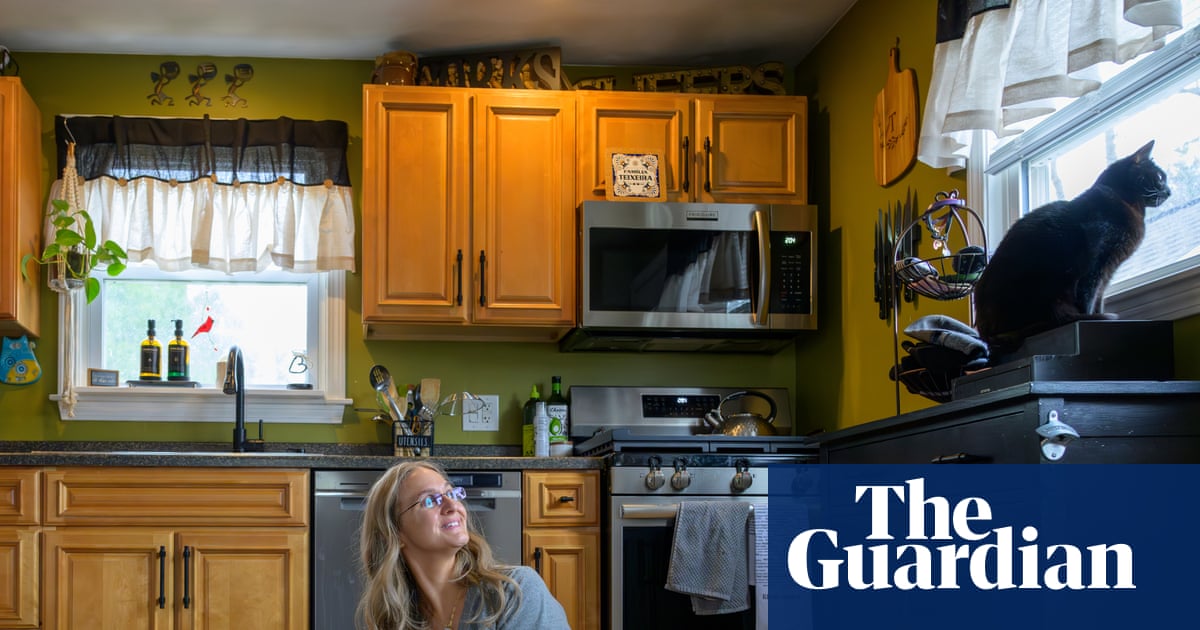
- Teixeira adopted Milo as a tiny abandoned kitten in 2010
- She hand-feeds him around-the-clock until he grows strong
- Milo’s death in 2021 sparks her to start a memorial jewelry business
Katie Teixeira never expected a tiny abandoned kitten to change her life twice. In 2010, she rescued Milo from an empty house, nursing him back to health with bottle feedings every few hours. The bond that formed between them lasted 11 years. “We just bonded,” Teixeira says. “Like mother and daughter.” When Milo died in 2021, she was devastated. But the loss led her to a new path: designing memorial jewelry for others grieving their own pets.
Teixeira’s business, Soul Cat Creations, turns fur clippings, ashes or paw prints into keepsake rings, necklaces and keychains. Each piece is handcrafted and personalized with engravings like a pet’s name or a favorite phrase. Clients often share stories of how their pets saved them from loneliness or depression, mirroring Teixeira’s own experience with Milo. “I needed something to hold onto,” she says. “I wanted to give others that same comfort.”
The idea came during a difficult period. After a layoff in 2020, Teixeira doubted her career path. Milo’s illness and death forced her to confront grief she had avoided. Instead of collapsing, she channeled her sorrow into action. She learned wire-wrapping and resin techniques online and began experimenting with memorial pieces. Within months, her Etsy shop launched, and orders poured in. Today, Soul Cat Creations serves customers across the U.S. and internationally, with waitlists months long.
Teixeira’s approach blends artistry with empathy. She offers free consultations to help clients choose designs that feel right for them. Many customers send tears-stained photos alongside their pet’s remains. “It’s not just jewelry,” she says. “It’s a way to keep them close.” She also donates a portion of profits to animal rescues, tying her business back to the roots of her story.
Demand reflects a cultural shift. Pet ownership surged during the pandemic, and so did awareness of the emotional toll of loss. A 2023 survey by the American Pet Products Association found 70% of U.S. households own a pet, up from 66% in 2019. With more pets comes more grief—and more need for rituals of remembrance. Memorial jewelry sales have risen 30% year-over-year at major retailers like Etsy and Memorials.com.
Teixeira isn’t the only one turning loss into livelihood. Across the country, artisans craft pet memorials from clay paw prints, engraved stones and even turned wood from a beloved tree. But what sets Teixeira apart is her authenticity. She shares her own story openly—on Instagram, in interviews and even in her packaging. “I want people to feel seen,” she says. “Grief isn’t something to hide.”
Looking ahead, Teixeira plans to expand her product line and offer workshops teaching others to make their own memorials. She also dreams of opening a physical studio where people can create pieces on-site with their family’s fur. For now, she’s focused on filling orders and healing one heart at a time. “Milo’s love didn’t end with his life,” she says. “It just changed form.” In turning her sorrow into service, she’s helping others find light in the darkest days of loss.
How memorial jewelry helps grieving pet owners cope
Memorial jewelry isn’t just about keeping a pet’s memory close—it’s a tool for emotional healing. Therapists report that tangible keepsakes help reduce symptoms of prolonged grief, especially among seniors and children who may struggle to express emotions verbally. Dr. Sarah Wilson, a grief counselor in Portland, Oregon, says, “Holding something physical can ease the shock of absence and provide a safe way to talk about the loss.” Studies show that rituals, even small ones like wearing a necklace with a paw print, can lower cortisol levels and improve emotional regulation.
Teixeira’s clients often describe the jewelry as a lifeline. One mother in Texas wears a locket containing her dog’s ashes and says it helps her feel connected during anxiety attacks. A college student in New York keeps his cat’s collar charm on his backpack, carrying his companion through every lecture. “It’s not just jewelry,” Teixeira says. “It’s permission to grieve openly.”
For many, the process of choosing or designing a piece becomes part of the healing. Clients send photos, stories and even voice recordings of their pets. Teixeira listens carefully, asking about favorite toys, quirks or routines. She then selects materials—sterling silver, rose gold, or even biodegradable resin—to match the pet’s personality. Some pieces incorporate birthstones or favorite colors. The result is more than an object: it’s a conversation starter, a comfort in silence, and a private ritual of remembrance.
The market reflects this need. Companies like PawPrint Memorials and Honor Paws report 50% growth in custom pet memorials since 2020. Even major brands like Petco now sell memorial urns and framed paw prints in stores and online. Yet Teixeira emphasizes quality and personal touch over mass production. “I don’t want this to feel like a transaction,” she says. “I want it to feel like love.”
As the pet funeral industry grows—valued at $3 billion in the U.S.—so does the conversation about afterlife rituals for animals. Pet cemeteries, water burials and even virtual memorials are becoming more common. Teixeira sees her jewelry as part of this evolution: a way to honor pets not just in death, but through daily life. “Milo’s still with me,” she says. “Not just in my heart—but on my finger, in my pocket, under my pillow.”
What You Need to Know
- Source: The Guardian
- Published: April 24, 2026 at 15:00 UTC
- Category: Business
- Topics: #guardian · #business · #economy · #katie-teixeira · #teixeira · #milo
Read the Full Story
This is a curated summary. For the complete article, original data, quotes and full analysis:
All reporting rights belong to the respective author(s) at The Guardian. GlobalBR News summarizes publicly available content to help readers discover the most relevant global news.
Curated by GlobalBR News · April 24, 2026
Related Articles
- Kevin O’Leary: Gen Z founders working 18-hour days make ‘no sense’
- Lawyers sanctioned $110K for fake AI citations in landmark Oregon case
- Taiwan arms sales top Trump-Xi talks agenda as Xi meet ends
🇧🇷 Resumo em Português
O luto por um pet é uma dor que muitos brasileiros conhecem bem, mas agora uma empreendedora transformou essa perda em um novo negócio. Katie Teixeira, ao perder seu gato Milo, sentiu na pele o vazio deixado pela partida de um animal de estimação, algo que afeta milhões de famílias no Brasil, onde cerca de 60 milhões de lares têm ao menos um pet. Diante da dificuldade de lidar com a saudade, ela decidiu criar joias memorialísticas — peças que guardam as cinzas ou uma mecha de pelo do animal falecido — oferecendo uma forma tangível de homenagear quem já se foi.
No Brasil, onde o mercado de produtos para pets movimenta mais de R$ 50 bilhões por ano e o número de animais domésticos supera até mesmo a população humana em algumas regiões, a iniciativa chega em um momento oportuno. A cultura brasileira, conhecida por seu afeto aos animais, muitas vezes carece de recursos para lidar com a perda de forma simbólica e saudável. Joias como as criadas por Teixeira não só ajudam a materializar a memória do pet, como também abrem espaço para conversas sobre o luto, um tema ainda pouco discutido no país.
Enquanto o negócio de Katie ganha força, especialmente em um momento em que o e-commerce de bens personalizados cresce no Brasil, a tendência deve inspirar outros empreendedores a explorar nichos semelhantes, unindo tecnologia, design e emoção.
🇪🇸 Resumen en Español
La pérdida de una mascota puede dejar un vacío insoportable, pero para algunos, como Katie Teixeira, ese dolor se transforma en consuelo para otros. Tras la muerte de su gato Milo, esta emprendedora decidió canalizar su tristeza en un proyecto solidario: crear joyas conmemorativas que ayuden a los dueños de mascotas a honrar su memoria.
Este negocio no solo ofrece un producto tangible, sino también un apoyo emocional en un momento de duelo, un servicio cada vez más demandado en una sociedad donde las mascotas son consideradas miembros clave de la familia. Con su iniciativa, Teixeira ofrece un recordatorio físico del amor compartido, demostrando cómo el emprendimiento puede convertirse en una herramienta de sanación. La relevancia de su proyecto trasciende lo comercial, tocando un tema sensible para millones de hispanohablantes que ven a sus animales como seres queridos.
The Guardian
Read full article at The Guardian →This post is a curated summary. All rights belong to the original author(s) and The Guardian.
Was this article helpful?


Discussion