Florida approves tighter manta ray capture rules after viral video but allows permits for exhibition use.
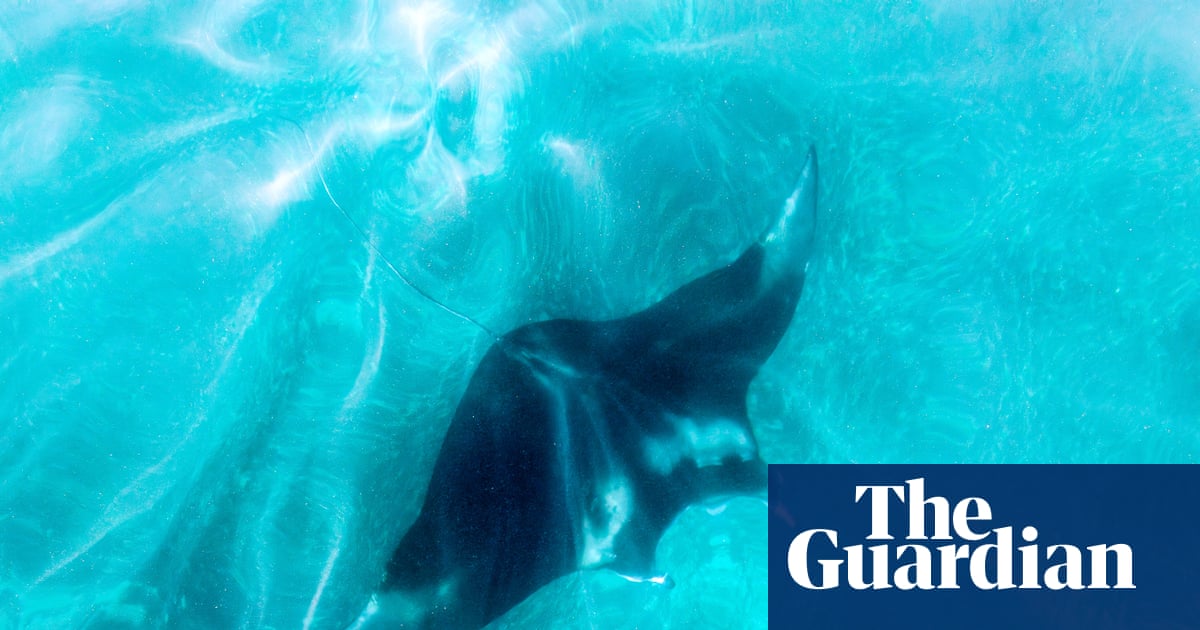
- Florida wildlife officials tighten manta ray capture rules after viral video outrage
- New rules require permits for capturing rays for exhibition purposes
- Commissioners reserve right to restrict where and when rays can be captured
Wildlife officials in Florida Florida Fish and Wildlife Conservation Commission voted unanimously on Wednesday to adopt amended rules governing the capture of giant manta rays in state waters. The decision comes after a bipartisan push from lawmakers and public outrage sparked by a viral video showing a ray being roughly handled and placed into an unmarked boat off Florida’s coast last year. While the new regulations impose stricter controls, they do not impose an outright ban on capturing the threatened species for “responsible exhibition” in marine facilities.
The amended rule reserves authority for the Florida Fish and Wildlife Conservation Commission to approve or deny permits for capturing manta rays based on location, timing, and intended use. Commissioners emphasized that the changes aim to prevent unnecessary harm and reduce public distress over the treatment of these large, gentle marine animals. Under the new policy, permits will only be issued for scientific research or educational display, with strict oversight on handling procedures and animal welfare standards. Violations could result in fines, permit revocation, or criminal charges.
New limits on manta ray capture raise concerns among conservationists
Critics, including marine biologists and animal rights groups, argue the revised rules do not go far enough. They point out that giant manta rays, listed as threatened under Florida law, remain vulnerable to stress and injury during capture and transport. Conservation advocates had urged a complete ban, citing the species’ slow reproductive rate and sensitivity to human interaction. The viral video, viewed millions of times online, showed a ray being lifted by its wings and tossed into a boat, prompting widespread condemnation and calls for stronger protections.
Political pressure builds for stricter marine animal protections
A bipartisan group of Florida lawmakers introduced legislation earlier this year seeking to end all commercial capture of manta rays in state waters. While that bill stalled in committee, it signaled growing legislative concern over the practice. Commissioners acknowledged public sentiment and political pressure in their decision, noting that 90% of public comments submitted during the rulemaking process opposed manta ray capture altogether. Still, the final rule reflects a compromise between animal welfare advocates and marine entertainment industry stakeholders.
What happens next for Florida’s manta rays?
The updated rules take effect immediately, with the Florida Fish and Wildlife Conservation Commission planning to review permit applications on a case-by-case basis. Conservation groups have vowed to monitor enforcement closely and push for further restrictions if violations occur. Meanwhile, marine theme parks and aquariums that rely on live ray exhibits will need to adapt to the new permitting process, which may limit availability of manta rays for public display. The broader debate over marine animal welfare in Florida continues, with activists already targeting other species in captivity. The outcome could influence similar regulations nationwide as public awareness of marine life protection grows.
What You Need to Know
- Source: The Guardian
- Published: May 16, 2026 at 10:00 UTC
- Category: World
- Topics: #guardian · #world-news · #international · #florida · #move · #wildlife
Read the Full Story
This is a curated summary. For the complete article, original data, quotes and full analysis:
All reporting rights belong to the respective author(s) at The Guardian. GlobalBR News summarizes publicly available content to help readers discover the most relevant global news.
Curated by GlobalBR News · May 16, 2026
Related Articles
- Eurovision 2024 faces scrutiny over Israel’s participation amid war
- US Justice Department preparing indictment against Raúl Castro
- US planning to criminally indict ex-Cuban leader Raúl Castro
🇧🇷 Resumo em Português
Um vídeo chocante que circulou nas redes sociais mostrando uma raia-manta sofrendo angústia extrema durante uma captura na Flórida não apenas indignou milhões de brasileiros, como também levou as autoridades locais a endurecerem as regras sobre a pesca e exposição desses animais marinhos. A repercussão global do caso, compartilhado por veículos de imprensa e ativistas ambientais no Brasil, pressionou o Departamento de Conservação da Vida Selvagem da Flórida (FWC) a revisar suas normas, que agora impõem restrições mais rígidas à captura de raias-manta, embora ainda permita a emissão de permissões para fins de exibição em aquários e espetáculos.
No Brasil, onde a proteção dos ecossistemas marinhos é cada vez mais discutida — especialmente após casos de exploração excessiva de espécies como a raia-manta, que enfrenta ameaças como captura acidental e tráfico ilegal — a decisão da Flórida ganha relevância. O país, que já debate a regulamentação da pesca de grandes animais marinhos, observa com atenção as medidas tomadas no exterior, visto que a raia-manta é uma espécie migratória e compartilhada entre diferentes regiões costeiras. Especialistas brasileiros destacam que a mudança na Flórida pode servir de exemplo para outros estados e países, reforçando a necessidade de fiscalização e campanhas de conscientização para evitar a crueldade contra esses animais.
Nos próximos meses, espera-se que a FWC divulgue diretrizes detalhadas sobre as novas proibições, enquanto organizações ambientais brasileiras devem intensificar pressões por legislações semelhantes em território nacional.
🇪🇸 Resumen en Español
Tras el revuelo generado por un impactante video viral, Florida endurece las normas sobre la captura de mantarrayas, aunque mantiene excepciones para su exhibición. La polémica surgió al difundirse imágenes de ejemplares en situaciones de extremo estrés, lo que ha acelerado la revisión de los protocolos actuales.
El cambio normativo, impulsado por la presión ciudadana y la sensibilidad ecológica, busca proteger a estas especies marinas, clave en los ecosistemas locales. Aunque las nuevas regulaciones refuerzan los controles, la polémica subraya la tensión entre el uso comercial de la vida silvestre y la ética ambiental, un debate que resuena especialmente en regiones hispanohablantes con tradiciones similares en el manejo de fauna.
The Guardian
Read full article at The Guardian →This post is a curated summary. All rights belong to the original author(s) and The Guardian.
Was this article helpful?


Discussion