Sri Lanka arrests more foreign scammers as fraud rings shift from Cambodia and Myanmar due to crackdowns.
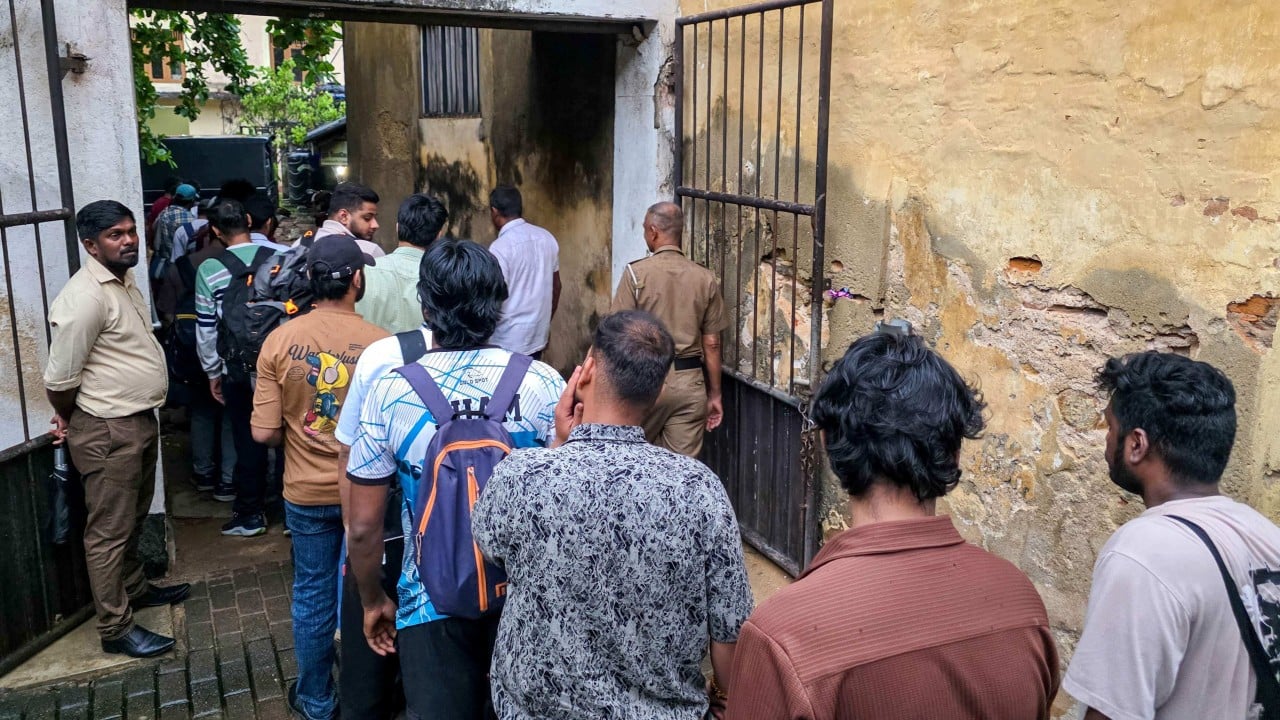
- Police report spike in foreign scammer arrests in Sri Lanka this year
- Scam gangs fled Cambodia and Myanmar after government crackdowns
- Sri Lanka’s easy visas and fast internet attract fraud networks
Police in Sri Lanka have arrested over 1,200 foreign nationals suspected of running online scams since January, a 40% jump from last year. Most are from China, Taiwan, and Southeast Asia. Authorities say the surge reflects a dangerous shift: fraud rings kicked out of Cambodia and Myanmar after brutal crackdowns are now setting up shop in Sri Lanka, where visas are easy to get and internet speeds are among the fastest in South Asia.
How scammers moved from Cambodia to Sri Lanka
Last year, Cambodian police raided dozens of scam compounds in Sihanoukville and Phnom Penh, arresting thousands of foreign workers running fake investment schemes and romance frauds. Many were deported or fled to neighboring countries, but a growing number landed in Sri Lanka, where the government offers 30-day visas on arrival for most nationalities. Telecom regulators say fixed broadband speeds in Sri Lanka now average 150 Mbps—faster than in Cambodia or Myanmar—and mobile data is cheap and widely available.
Officials in Colombo say the scammers operate out of rented villas, guesthouses, and even high-rise apartments in the capital and tourist towns like Galle. Some networks run call centers disguised as tech startups, luring victims with promises of quick profits in cryptocurrency or fake real estate deals. Police say the scams mirror tactics used in Southeast Asia: victims are tricked into sending money under the guise of love, fake job offers, or bogus investment opportunities.
Government response and public alarm
Sri Lanka’s government has started tightening visa rules for certain nationalities, including Chinese and Taiwanese citizens, after intelligence reports warned that fraud rings were using the country as a new base. Immigration officials now scan arrivals for suspicious travel histories linked to known scam hubs. But critics say the crackdown is too slow. ‘We’ve seen this movie before,’ said a senior police officer in Colombo who asked not to be named. ‘Scammers move fast, and our laws are lagging behind.’
The public is also worried. In the past two months, Sri Lankan banks have frozen over $8 million in suspected fraudulent transactions linked to local scam operations. Victims’ groups say the numbers are likely far higher, as many never report the crimes. ‘People lose life savings in these scams,’ said a victim advocate. ‘The government needs to act now, not when it’s too late.’
What’s next for Sri Lanka’s scam crackdown
For now, police are focusing on raids and deportations. Earlier this week, authorities busted a ring running a fake crypto mining scam from a villa in Mount Lavinia, seizing servers and arresting 14 suspects. But experts warn that without stronger international cooperation, scammers will keep moving. ‘Sri Lanka is just the next stop,’ said a cybercrime researcher. ‘Until the root causes in Southeast Asia are fixed, fraud networks will keep popping up somewhere else.’
The bigger danger is that Sri Lanka’s reputation as a tourist hotspot could suffer if the scam problem grows. Already, travel forums are filling up with warnings about ‘too good to be true’ offers from locals or online strangers. ‘No one wants to vacation in a place where they might get scammed,’ said a tour operator in Galle.
What You Need to Know
- Source: SCMP
- Published: May 17, 2026 at 06:37 UTC
- Category: World
- Topics: #scmp · #asia · #china · #world-news · #travel · #visa
Read the Full Story
This is a curated summary. For the complete article, original data, quotes and full analysis:
All reporting rights belong to the respective author(s) at SCMP. GlobalBR News summarizes publicly available content to help readers discover the most relevant global news.
Curated by GlobalBR News · May 17, 2026
Related Articles
- 🎉 250 Articles in World!
- WHO declares Ebola emergency as Congo outbreak spreads to Uganda
- WHO declares Ebola outbreak in DR Congo a global emergency
🇧🇷 Resumo em Português
O paraíso tropical do Sri Lanka, conhecido por suas praias exuberantes e cultura milenar, tornou-se nos últimos meses o novo refúgio preferido de quadrilhas internacionais de crimes cibernéticos, que abandonaram a repressão em países como Camboja e Mianmar para montar suas operações no país asiático. Com conexões de internet de alta velocidade e facilidade para obtenção de vistos, a ilha no Oceano Índico virou um próspero polo de aplicações fraudulentas, atraindo grupos criminosos que exploram a vulnerabilidade das autoridades locais e a falta de fiscalização rigorosa.
A onda de prisões por estelionato digital no Sri Lanka disparou nos últimos tempos, com dezenas de suspeitos — muitos deles originários da China, Taiwan e outros países asiáticos — sendo detidos após denúncias de golpes que vitimam brasileiros e cidadãos de língua portuguesa. A Justiça local, ainda em fase de estruturação para combater crimes transnacionais, enfrenta desafios como a escassez de recursos e a morosidade processual, o que permite que quadrilhas sigam atuando com relativa impunidade. Para o Brasil, a situação é preocupante: as vítimas, atraídas por falsas promessas de emprego ou relacionamentos virtuais, têm perdido milhões em transferências internacionais, expondo a fragilidade das redes de cooperação entre países para rastrear e punir esses criminosos.
A polícia srilanquesa promete endurecer as investigações e reforçar a parceria com Interpol e outros órgãos internacionais, mas especialistas alertam que, sem ações coordenadas, o país corre o risco de se consolidar como o novo “paraíso dos golpes” na Ásia.
🇪🇸 Resumen en Español
Sri Lanka emerge como el nuevo refugio de las redes de estafas digitales, desplazando a los paraísos asiáticos que hasta ahora concentraban estas actividades delictivas.
El país insular se ha convertido en el último destino favorito de las mafias dedicadas al fraude online, que huyen de Camboya y Myanmar tras intensas campañas policiales en esas zonas. Con su infraestructura de internet de alta velocidad y políticas migratorias flexibles, Sri Lanka ofrece el entorno ideal para operar con mayor impunidad, atrayendo a miles de estafadores que explotan a víctimas de todo el mundo. La creciente ola de detenciones en la isla —más de 2.500 en lo que va de año— refleja tanto el problema como la respuesta insuficiente, dejando en evidencia la capacidad limitada de las autoridades para frenar un negocio que ya mueve miles de millones de euros.
SCMP
Read full article at SCMP →This post is a curated summary. All rights belong to the original author(s) and SCMP.
Was this article helpful?



Discussion