Israel funds $34M upgrade to add external fuel tanks to F-35I jets for longer strikes.
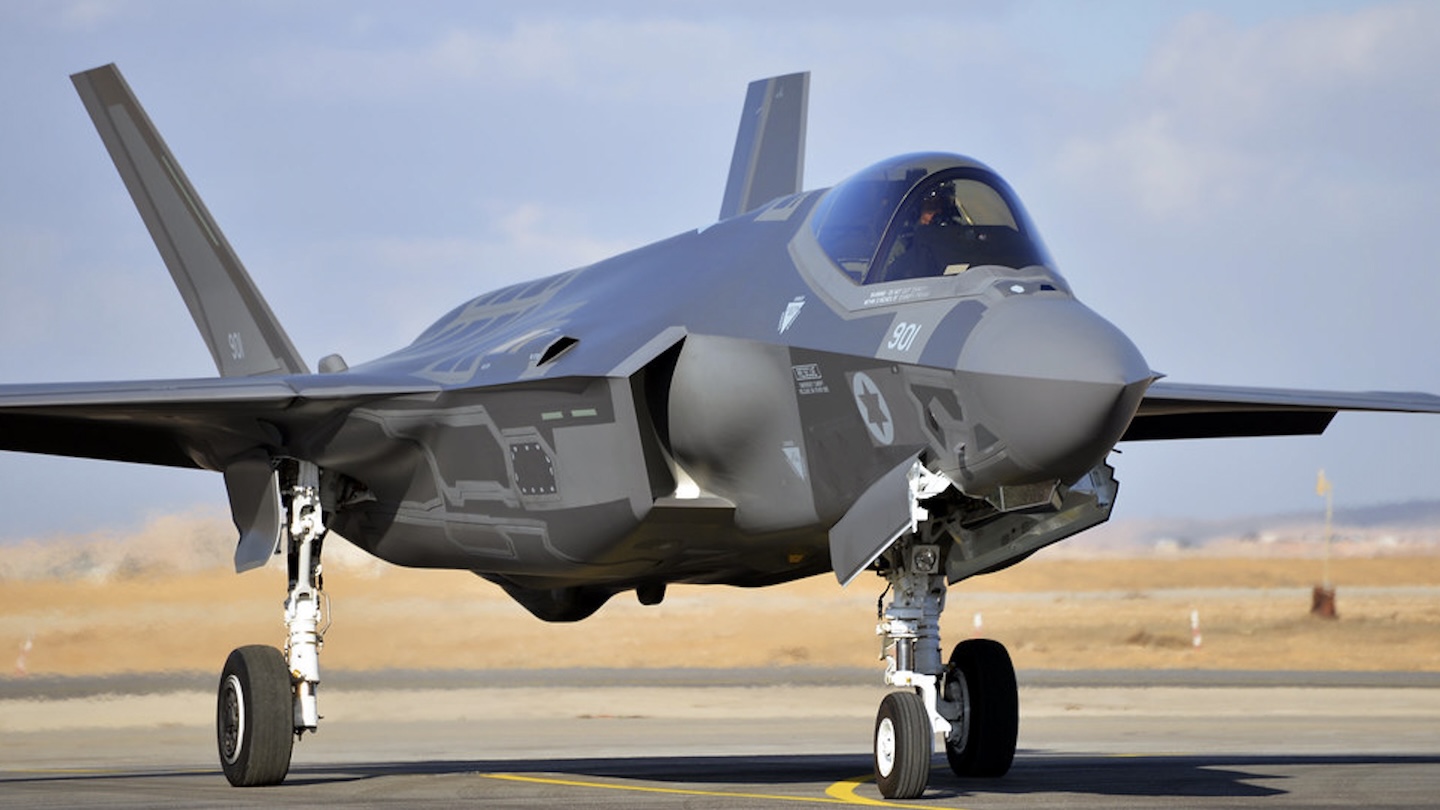
- Israel allocates $34M for external fuel tanks on F-35I Adir jets
- Tanks designed by Elbit Systems’ Cyclone subsidiary for long-range strikes
- Move follows high operational tempo in recent strikes in Iran
Israel’s Defense Ministry confirmed Thursday a $34 million contract to equip its fleet of F-35I Adir stealth fighters with external fuel tanks, expanding their operational range for long-distance strikes. The upgrade, awarded to Elbit Systems’ subsidiary Cyclone, marks a direct response to the intensive deployment of the jets in recent campaigns targeting sites in Iran during 2023 and 2024. The Israeli Air Force’s F-35I Adir fleet has operated at an elevated tempo, prompting concerns about refueling capacity and mission sustainability for deep-strike missions. The new external tanks will reduce dependence on mid-air refueling, a critical limitation in long-range operations over hostile territory. Military analysts note that Israel’s recent strikes in Iran required multiple refueling aircraft, straining the air force’s logistical pipeline. The F-35I’s stealth features remain unchanged, preserving its ability to penetrate defended airspace undetected. ## External fuel tanks extend range without compromising stealth The external fuel tanks, based on an existing design used by other modern fighters, will be integrated without altering the jet’s internal structure or avionics. Elbit Systems stated the tanks are compatible with the F-35I’s existing hardpoints, allowing for rapid installation and deployment. The upgrade is expected to enter service within 18 to 24 months, according to defense procurement officials. Israel has operated the F-35I since 2017, becoming the first international customer to field the jet. The aircraft has been central to Israel’s strategy of maintaining qualitative military superiority in the region. ## Israel prioritizes long-range strike capability amid regional tensions Israel’s decision follows a series of direct strikes on Iranian soil, including attacks on nuclear and military facilities. The high operational tempo has raised questions about the sustainability of such missions given limited aerial refueling assets. External fuel tanks provide a cost-effective solution compared to developing entirely new aircraft or increasing the number of refueling planes. The upgrade also aligns with Israel’s broader modernization efforts, including the planned acquisition of more F-35Is. The Defense Ministry emphasized the tanks will enhance the jets’ flexibility in responding to emerging threats across the Middle East. ## Broader implications for regional air power The move underscores Israel’s commitment to maintaining air dominance amid escalating tensions with Iran and its proxies. The F-35I’s enhanced range could enable Israel to project power deeper into enemy territory without relying on regional bases. Military experts suggest this could shift the balance in future conflicts, particularly in scenarios involving Iran or its allied militias in Syria and Lebanon. The upgrade also positions Israel as a leader among F-35 operators, driving innovation in fourth-generation-plus stealth technology. Elbit Systems, a key defense contractor, gains a new revenue stream while reinforcing its role in Israel’s military-industrial complex. The contract follows a trend of Israeli defense firms adapting Western systems to meet specific operational needs. Within five years, the upgraded F-35Is are expected to play a central role in Israel’s layered deterrence strategy.
What You Need to Know
- Source: The Drive
- Published: May 14, 2026 at 17:45 UTC
- Category: War
- Topics: #military · #weapons · #conflict · #israel · #are-getting-external · #fuel-tanks-israel
Read the Full Story
This is a curated summary. For the complete article, original data, quotes and full analysis:
All reporting rights belong to the respective author(s) at The Drive. GlobalBR News summarizes publicly available content to help readers discover the most relevant global news.
Curated by GlobalBR News · May 14, 2026
Related Articles
- Wembanyama’s Spurs reach Western finals, Pistons stay alive in NBA playoffs
- 🎉 250 Articles in War!
- 🎉 100 Articles in War!
🇧🇷 Resumo em Português
Israel acaba de dar um salto estratégico ao equipar seus caças de quinta geração F-35I Adir com tanques externos de combustível, ampliando radicalmente seu alcance em missões de longo alcance — uma jogada que não passa despercebida na geopolítica do Oriente Médio e tem reflexos diretos na segurança global. A decisão, selada por um contrato de US$ 34 milhões, chega em um momento crucial, após os recentes bombardeios israelenses contra alvos no Irã, onde a limitação de autonomia dos caças poderia ter sido um fator decisivo. Com essa modernização, a Força Aérea de Israel não só reforça sua capacidade de projeção de poder, mas também sinaliza que está preparada para operações ainda mais audaciosas em territórios hostis, onde o fator distância sempre foi um obstáculo.
O Brasil, mesmo distante dos conflitos do Oriente Médio, não pode ignorar o impacto dessa medida, especialmente quando se discute o papel da aviação de combate em cenários de alta complexidade. A Força Aérea Brasileira (FAB) já demonstrou interesse em caças de última geração, como o F-35, para modernizar sua frota e garantir superioridade operacional — e a decisão israelense reforça a tese de que versatilidade e alcance são atributos cada vez mais críticos. Além disso, a notícia reacende debates sobre a dependência tecnológica e as estratégias de defesa nacional, colocando em xeque se o Brasil estaria preparado para operações semelhantes em seu imenso território ou em missões de paz internacionais.
O próximo passo agora é monitorar como outros países da região, como Irã e Arábia Saudita, responderão a essa escalada tecnológica — e se o F-35I Adir se tornará um novo marco na corrida armamentista do Oriente Médio.
🇪🇸 Resumen en Español
Israel ha dado un paso decisivo en su capacidad operativa al confirmar una inversión millonaria para ampliar el alcance de sus cazas de última generación. El Ministerio de Defensa israelí ha cerrado un contrato de 34 millones de dólares para equipar sus F-35I Adir con tanques de combustible externos, una modificación que les permitirá realizar misiones de mayor alcance tras los recientes enfrentamientos con Irán.
La medida responde a la creciente necesidad de proyección estratégica en un escenario regional cada vez más tenso, donde las tensiones con Teherán han escalado en los últimos meses. Para España y el resto de aliados occidentales, este desarrollo subraya la importancia de mantener una ventaja tecnológica en el ámbito aéreo, especialmente en un contexto donde la disuasión frente a actores como Irán es prioritaria. Además, pone de relieve cómo la innovación en armamento puede redefinir el equilibrio de poder en Oriente Medio, con implicaciones directas para la seguridad europea y las relaciones transatlánticas.
The Drive
Read full article at The Drive →This post is a curated summary. All rights belong to the original author(s) and The Drive.
Was this article helpful?



Discussion