Compare Iran’s resilience under sanctions to Venezuela’s collapse, rooted in theocratic control and revolutionary institutions.
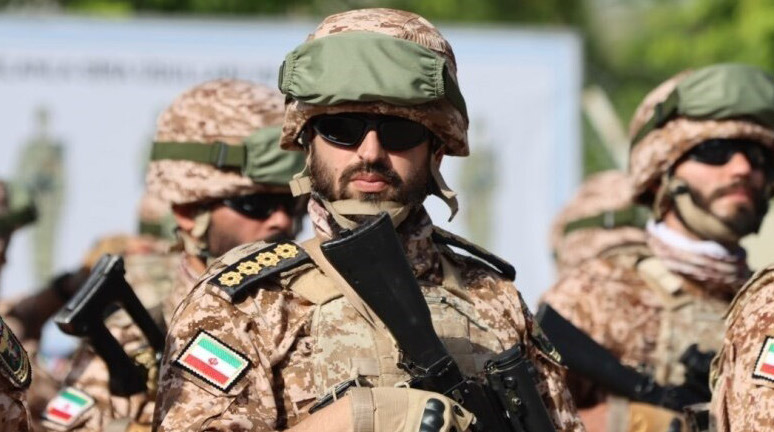
- Iran’s Supreme Leader’s authority rests on religious legitimacy and theocratic rule
- Islamic Revolutionary Guard Corps maintains economic control via parastatal firms
- External alliances like Russia and China reduce pressure from U.S. sanctions
Iran’s refusal to buckle under U.S. sanctions contrasts sharply with Venezuela’s collapse, a reality now scrutinized by American policymakers. The White House has accepted that regime change in Tehran is unlikely despite prolonged economic pressure, a shift from earlier expectations. Unlike Venezuela, where sanctions triggered hyperinflation and mass protests, Iran’s theocratic system has absorbed external shocks while maintaining internal cohesion.
Theocratic Foundations of Iran’s Resilience
At the core of Iran’s durability is the authority of the Supreme Leader, whose power is underwritten by Islamic law and a network of religious institutions. This structure enables the regime to prioritize survival over economic growth, insulating key sectors from collapse. The Supreme Leader’s control extends beyond politics into Iran’s economy, where parastatal organizations linked to the state dominate industries from oil to construction.
The Role of the Revolutionary Guard
The Islamic Revolutionary Guard Corps (IRGC) acts as the enforcer of this system, operating as both a military force and a commercial conglomerate. The IRGC’s economic empire, valued in the tens of billions, provides revenue streams independent of oil exports, which are frequently targeted by sanctions. This dual role allows the IRGC to redistribute resources within the regime’s network, ensuring loyalty even as living standards decline for ordinary Iranians.
External Alliances Offset Sanctions Pain
Iran’s alliances with Russia and China have further mitigated the impact of sanctions. Trade deals, oil sales, and military cooperation with these partners provide Tehran with alternative markets and financial channels, reducing dependence on the West. While Venezuela’s isolation left it vulnerable, Iran’s global partnerships have softened the blow of U.S. economic measures.
A System Designed to Absorb Pressure
The Iranian model prioritizes regime survival over economic liberalization, a strategy that has proven effective under sustained pressure. Theocratic legitimacy and centralized control allow the government to suppress dissent while redirecting resources to key constituencies. This adaptability contrasts with Venezuela’s reliance on oil revenues, which collapsed under sanctions, triggering a socioeconomic crisis that still persists.
What Happens Next
With no immediate signs of weakening, Iran’s resilience under sanctions suggests the U.S. must rethink its approach to coercive diplomacy. The White House’s shift from expecting regime change to managing containment reflects a recognition of Tehran’s endurance. For now, Iran’s theocratic and economic structures continue to absorb pressure that has broken other states.
What You Need to Know
- Source: War on the Rocks
- Published: April 22, 2026 at 07:15 UTC
- Category: War
- Topics: #defense · #military · #geopolitics · #war · #conflict · #pressure
Read the Full Story
This is a curated summary. For the complete article, original data, quotes and full analysis:
All reporting rights belong to the respective author(s) at War on the Rocks. GlobalBR News summarizes publicly available content to help readers discover the most relevant global news.
Curated by GlobalBR News · April 22, 2026
Related Articles
- Wembanyama’s Spurs reach Western finals, Pistons stay alive in NBA playoffs
- 🎉 250 Articles in War!
- 🎉 100 Articles in War!
🇧🇷 Resumo em Português
O Irã segue mostrando uma resistência impressionante às sanções internacionais, ao contrário da Venezuela, que sucumbiu mais rápido aos mesmos instrumentos de pressão econômica. Enquanto Caracas afundou em crises humanitárias e instabilidade política sob bloqueios cada vez mais rígidos, Teerã conseguiu driblar o isolamento, mantendo sua economia funcional e até ampliando sua influência regional. A estratégia iraniana, que combina engenhosidade logística, alianças estratégicas e um mercado paralelo resiliente, serve como um estudo de caso sobre como burlar sanções — algo que desperta atenção não só no Oriente Médio, mas também em países como o Brasil, que já enfrentou embargos semelhantes no passado.
O sucesso iraniano em resistir às sanções — impostas principalmente pelos Estados Unidos e pela União Europeia — não é casual, mas resultado de uma combinação de fatores. Enquanto a Venezuela dependia excessivamente das exportações de petróleo e de uma estrutura estatal centralizada, o Irã diversificou sua economia, investiu em setores como agricultura, manufatura e tecnologia, e criou redes de comércio alternativas, muitas vezes através de países aliados ou neutros. Além disso, a capacidade iraniana de manipular moedas paralelas e contornar sistemas financeiros globais, como o SWIFT, permitiu que mantivesse fluxos comerciais mesmo sob bloqueios. Para o Brasil, que já foi alvo de sanções no passado (como no caso das restrições à carne bovina durante a crise da aftosa) e que hoje debate a possibilidade de sanções futuras em conflitos como o da Ucrânia, o modelo iraniano oferece lições valiosas — ou pelo menos um espelho das fragilidades de economias pouco diversificadas.
A pergunta que fica é: até quando o Irã conseguirá sustentar esse jogo de gato e rato com a comunidade internacional, especialmente em um cenário onde a China e a Rússia, seus principais parceiros, também enfrentam pressões?
🇪🇸 Resumen en Español
El régimen iraní demuestra una resistencia inédita frente a las sanciones internacionales, a diferencia de Venezuela, que colapsa bajo presiones similares. Un análisis reciente desvela las claves de esta capacidad de Teherán para mantener su economía a flote pese al asedio económico.
El éxito iraní radica en su diversificación estratégica, con una industria local robusta que produce desde medicamentos hasta drones, reduciendo su dependencia de importaciones. Además, su red de aliados —desde Rusia hasta milicias en Oriente Medio— le permite sortear embargos mediante comercio alternativo y transferencias informales de fondos. Para los hispanohablantes, este caso subraya cómo la autarquía forzosa y la adaptación al aislamiento pueden ser herramientas de supervivencia geopolítica, aunque a costa de un deterioro social interno que pocos gobiernos estarían dispuestos a asumir.
War on the Rocks
Read full article at War on the Rocks →This post is a curated summary. All rights belong to the original author(s) and War on the Rocks.
Was this article helpful?



Discussion