Hundreds protested in Tunis against Tunisia’s economic crisis and arrests of critics under President Kais Saied.

- Hundreds marched in Tunis against economic crisis and political arrests
- Protesters accuse President Kais Saied of undermining post-2011 democracy
- Tunisia’s economy shrank 8.7% in 2020 and hasn’t recovered
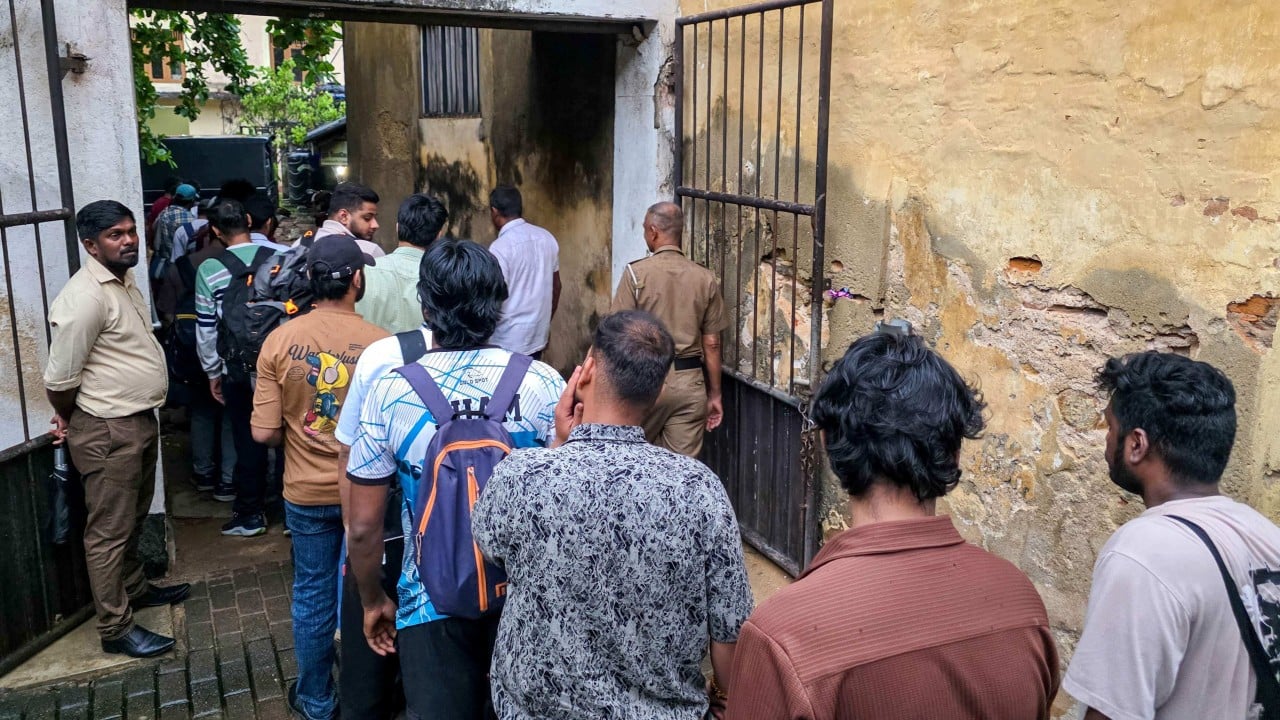
Protesters chanted slogans like ‘No to dictatorship’ and ‘The people want to topple the regime’ during the march through central Tunis. The demonstration started near the Bardo National Museum and ended outside the Interior Ministry, a common target for anti-government rallies. Organizers said they wanted to send a message that Tunisians won’t stay silent as their living costs rise and freedoms shrink. Many held signs depicting Saied as a dictator, while others carried photos of arrested activists and journalists who’ve criticized the government in recent months. The protest lasted about two hours before police in riot gear dispersed the crowd without major clashes, according to witnesses on the scene. One local reporter told Al Jazeera that plainclothes officers filmed participants, a practice critics say intimidates dissenters. The Interior Ministry didn’t respond to requests for comment on the protest or the filming allegations. Economic hardship has fueled the anger. Tunisia’s economy shrank by 8.7% in 2020 during the COVID-19 pandemic and has barely grown since. Inflation hit 9.3% last year, and the dinar has lost nearly a third of its value against the dollar since 2016. Food prices have surged—bread now costs 40% more than it did a year ago—while wages haven’t kept up. International lenders like the International Monetary Fund have pushed Tunisia to cut subsidies and raise taxes, measures that risk deepening public anger but are seen as necessary to avoid defaulting on debt payments. The political crackdown has worsened in parallel. Since July 2021, Saied has ruled by decree after suspending parliament, citing corruption and gridlock. His government has since arrested dozens of critics, including politicians, judges, and journalists. Among them is prominent opposition figure Rached Ghannouchi, the leader of the Ennahda Movement, who was sentenced to prison in May for ‘conspiracy against state security.’ Ghannouchi, a key figure in Tunisia’s 2011 revolution, denies the charges. Human rights groups say the trials lack fair process and that Saied is using the legal system to silence opponents. Amnesty International called the crackdown ‘a systematic campaign to crush dissent.’ The protests come as Saied prepares for a December referendum on a new constitution that would consolidate his power. Critics say the draft removes checks on the presidency, giving Saied near-total control. Supporters argue it’s needed to end political paralysis. Polls show most Tunisians oppose the changes, but Saied’s base remains loyal. Tunisia was the birthplace of the Arab Spring in 2011, when mass protests toppled dictator Zine El Abidine Ben Ali. The country then held free elections and built a fragile democracy, but political infighting and corruption weakened the system. Saied, a former law professor, rode public frustration into office in 2019 on promises to clean up politics. Instead, many now see him as repeating the mistakes of the past. The economy remains the biggest flashpoint. The World Bank estimates Tunisia’s debt will hit 80% of GDP this year, up from 60% in 2019. The government is negotiating another IMF loan, but terms could mean more austerity—higher fuel prices, reduced food subsidies, or layoffs in bloated state companies. Protesters say they’re already paying the price. ‘We can’t afford meat anymore,’ said 42-year-old protester Amal Ben Ali. ‘My kids only eat lentils now. We used to vote for change in 2011, but today we’re back to square one.’ The government blames external factors like the Ukraine war and global inflation for the crisis, but critics say corruption and mismanagement are the real culprits. Opposition parties and civil society groups have called for a boycott of the December referendum. They’re also planning more protests, including a national strike on October 17, the anniversary of the 2011 uprising. Whether the unrest spreads depends on how hard the government cracks down—and how desperate Tunisians get. For now, the protests reflect a country trapped between economic collapse and democratic backsliding, a cycle that risks repeating the failures of the Arab Spring.
What You Need to Know
- Source: Al Jazeera
- Published: May 17, 2026 at 01:18 UTC
- Category: World
- Topics: #aljazeera · #world-news · #middle-east · #tunisians · #hundreds · #tunisia-protests-2023
Read the Full Story
This is a curated summary. For the complete article, original data, quotes and full analysis:
All reporting rights belong to the respective author(s) at Al Jazeera. GlobalBR News summarizes publicly available content to help readers discover the most relevant global news.
Curated by GlobalBR News · May 17, 2026
Related Articles
- 🎉 250 Articles in World!
- Bulgaria wins Eurovision 2025 with Dara’s historic victory
- ‘She was phenomenal, she was iconic’: Delta Goodrem wins praise as Australia places fourth at Eurovision
🇧🇷 Resumo em Português
Dezenas de milhares de tunisianos saíram às ruas de Tunis neste fim de semana para protestar contra a crise econômica que sufoca o país e as recentes prisões de críticos ao presidente Kais Saied, um movimento que reacendeu temores de um endurecimento autoritário no norte da África. As manifestações, convocadas por partidos de oposição e sindicatos, expuseram a crescente insatisfação popular com a escalada do desemprego, a inflação galopante e a queda no poder aquisitivo, agravados por políticas governamentais contestadas.
A Tunísia, outrora vista como a única democracia nascente da Primavera Árabe de 2011, vive hoje um cenário de retrocesso democrático sob o governo de Saied, que desde 2021 concentrou poderes, dissolveu o Parlamento e perseguiu opositores. Para o Brasil, onde a defesa da democracia e dos direitos humanos costuma pautar a política externa, o caso tunisiano serve de alerta sobre os riscos de erosão institucional em países que viveram transições políticas recentes. Além disso, a crise na Tunísia afeta diretamente a diáspora brasileira de origem árabe, que mantém laços culturais e econômicos com a região.
O próximo passo cabe ao governo tunisiano: ou cede às pressões e retoma o diálogo com a sociedade civil, ou aprofunda a repressão, arriscando uma nova onda de instabilidade na região.
🇪🇸 Resumen en Español
Hundreds de manifestantes han salido a las calles de Túnez para protestar contra la grave crisis económica que asfixia al país y contra la creciente ola de arrestos a críticos del presidente Kais Saied, en un nuevo episodio de tensión social que sacude el corazón del Magreb. La movilización, que se ha extendido en los últimos días, refleja el descontento profundo de una población exhausta por el desempleo, la inflación desbocada y la falta de perspectivas, agravada por un gobierno que, según sus detractores, ahoga cualquier disidencia bajo un manto de autoritarismo.
El escenario actual en Túnez no es ajeno a los desafíos que han marcado la región desde las primaveras árabes, pero adquiere un matiz especialmente preocupante en un país que, hasta hace poco, se presentaba como un raro ejemplo de transición democrática estable en el norte de África. Las detenciones de periodistas, activistas y líderes políticos —muchos bajo acusaciones vagas de “conspiración contra la seguridad del Estado”— han encendido las alarmas entre observadores internacionales y ciudadanos comunes, que ven en estos movimientos un retroceso peligroso. Para los hispanohablantes, el caso tunecino sirve como recordatorio de que los avances democráticos no son irreversibles y de que, sin una economía que funcione para la mayoría, incluso los logros políticos más frágiles pueden desvanecerse en meses.
Al Jazeera
Read full article at Al Jazeera →This post is a curated summary. All rights belong to the original author(s) and Al Jazeera.
Was this article helpful?

Discussion