Strength training helps reduce muscle loss if you're taking GLP-1 drugs like Mounjaro or Ozempic.
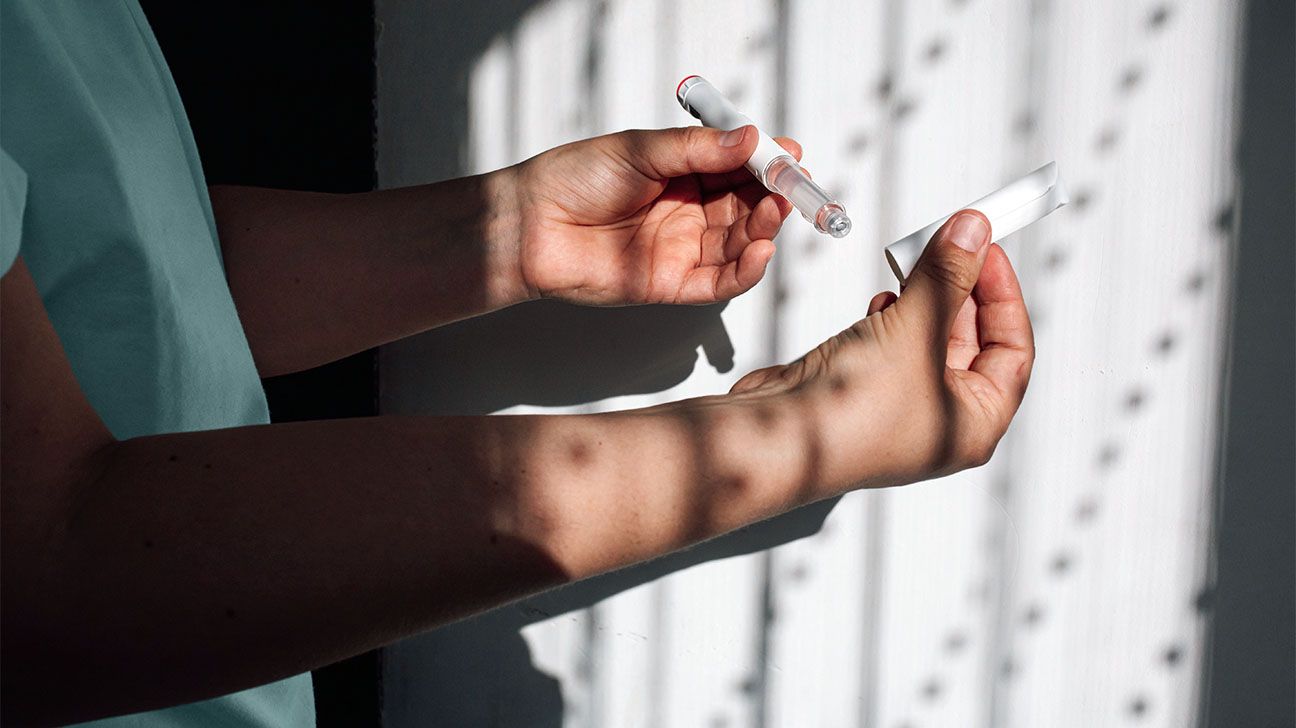
- Study found Mounjaro leads to more muscle loss than Ozempic
- Strength training may help preserve lean body mass
- Both drugs cause significant weight loss but handle muscle differently
Researchers just published a head-to-head comparison of two blockbuster weight-loss drugs, and the results challenge what many people assumed. In a study published in Obesity, tirzepatide—which is sold as Mounjaro for diabetes and Zepbound for obesity—led to more total weight loss than semaglutide (Ozempic or Wegovy), but it also caused a bigger drop in lean body mass. Lean body mass includes your muscles, bones, and organs, not just fat. That’s the muscle you don’t want to lose when you’re trying to slim down. Semaglutide, on the other hand, seemed to preserve more of that lean mass even as the numbers on the scale fell. The difference wasn’t massive, but it stood out because muscle loss is a common concern with rapid weight reduction. The study analyzed data from more than 1,800 adults in clinical trials. Everyone took either tirzepatide or semaglutide for at least 72 weeks. At the end, those on tirzepatide lost about 15% of their body weight on average, compared to roughly 12% for semaglutide. Where it got interesting was the muscle breakdown. Tirzepatide users lost about 28% of their lean body mass, while semaglutide users lost about 21%. That’s a meaningful gap when you’re talking about preserving strength and metabolic health. So why does this happen? The leading theory is that tirzepatide works on two hormones—GLP-1 and GIP—while semaglutide only targets GLP-1. That dual action may lead to faster fat loss, but it might also accelerate muscle breakdown if you’re not careful. The researchers pointed to another factor: people on tirzepatide tend to lose weight more quickly. Rapid weight loss often means more muscle loss, especially if you’re not actively working to protect it. It’s not that one drug is “bad” and the other is “good.” Both are highly effective for weight loss and diabetes management. But the findings suggest that if you choose tirzepatide, you might need to be more intentional about holding onto your muscle. That’s where strength training comes in. ## Strength training is your secret weapon The study authors emphasized that regular resistance exercise can shrink the muscle gap between the two drugs. In fact, people who strength-trained at least twice a week during the study lost significantly less lean body mass, regardless of which drug they took. That’s not shocking—muscles respond to use. If you lift weights or do bodyweight exercises, your body has less reason to break down muscle for energy when you’re in a calorie deficit. The recommendation isn’t complicated: keep lifting. Whether it’s squats, deadlifts, push-ups, or resistance bands, consistent strength work helps your body hold onto muscle even as the scale moves. For context, the study didn’t track diet closely beyond calorie control, so nutrition likely plays a role too. Getting enough protein—around 1.2 to 1.6 grams per kilogram of body weight—is critical when you’re using these drugs. Protein gives your body the building blocks it needs to maintain muscle. Still, the study’s focus on exercise is a reminder that these medications aren’t magic bullets. They’re tools, and like any tool, they work best when paired with smart habits. ## What this means for patients and doctors Right now, Ozempic and Mounjaro are prescribed based on things like side effects, cost, and insurance coverage—not muscle preservation. But this study suggests doctors might start factoring in lifestyle habits and goals more deliberately when choosing between them. For someone who’s sedentary or new to exercise, semaglutide might lead to less muscle loss. For someone who’s already active or willing to start strength training, tirzepatide could still be the better choice for bigger weight loss, as long as they’re mindful of protein intake and resistance work. The bigger picture here is that GLP-1 drugs have changed obesity treatment forever. Before these medications, weight-loss options were limited and often ineffective long-term. Now, millions of people are finally seeing real results. But the side effects—like muscle loss—are real too. This study adds nuance to the conversation, reminding us that losing weight isn’t just about the number on the scale. It’s about losing fat while holding onto what matters: strength, mobility, and metabolic health. The next step for research? Longer-term studies that track muscle function, not just mass, and that look at how diet and exercise interact with these drugs over years.
What You Need to Know
- Source: Healthline
- Published: May 16, 2026 at 23:58 UTC
- Category: Health
- Topics: #health · #wellness · #medicine · #obesity · #nutrition · #mounjaro-may-lead
Read the Full Story
This is a curated summary. For the complete article, original data, quotes and full analysis:
All reporting rights belong to the respective author(s) at Healthline. GlobalBR News summarizes publicly available content to help readers discover the most relevant global news.
Curated by GlobalBR News · May 16, 2026
Related Articles
- Midlife fitness boosts lifespan and health by 5+ years study finds
- Why ‘Ballmaxxing’ May Be More Dangerous Than You Think
- Weight Loss Surgeries Decline as GLP-1 Use Skyrockets. Why This Matters
🇧🇷 Resumo em Português
Um estudo recente revelou que o Mounjaro pode promover uma perda maior de massa magra do que o Ozempic, dois dos medicamentos mais discutidos atualmente no tratamento da obesidade e do diabetes tipo 2. Essa descoberta acende um alerta entre médicos e pacientes brasileiros, especialmente diante da crescente popularidade de fármacos da classe dos agonistas do GLP-1, como Wegovy e Zepbound, que já são amplamente prescritos no país.
A pesquisa, publicada em revista científica internacional, comparou os efeitos de diferentes medicamentos da mesma classe no organismo, destacando que o Mounjaro (tirzepatida) levou a uma redução mais significativa não só de gordura, mas também de massa muscular — o que pode gerar preocupações sobre a saúde a longo prazo. No Brasil, onde a obesidade atinge mais de 22% da população adulta, segundo o Ministério da Saúde, esses dados reforçam a necessidade de acompanhamento nutricional e de exercícios físicos durante o tratamento, para evitar efeitos colaterais indesejados.
Enquanto as autoridades sanitárias avaliam os impactos dessa descoberta, a recomendação já é clara: pacientes em uso desses medicamentos devem buscar orientação profissional para equilibrar a perda de peso com a manutenção da saúde muscular.
🇪🇸 Resumen en Español
Un estudio reciente ha revelado que el fármaco Mounjaro podría reducir más la masa corporal magra que Ozempic, abriendo nuevas interrogantes sobre los efectos de los tratamientos para la diabetes y la obesidad.
La investigación, publicada en prestigiosas revistas médicas, compara los efectos de los agonistas del receptor GLP-1 —como Wegovy y Zepbound— en la pérdida de grasa y músculo. Aunque estos medicamentos han revolucionado el manejo de la diabetes tipo 2 y la obesidad, el estudio sugiere que podrían tener un impacto desigual en la composición corporal, lo que podría tener implicaciones en la salud a largo plazo, especialmente en pacientes con déficit nutricional o sarcopenia. Los expertos subrayan la necesidad de ajustar las terapias según las características individuales de cada paciente.
Healthline
Read full article at Healthline →This post is a curated summary. All rights belong to the original author(s) and Healthline.
Was this article helpful?


Discussion