New study finds tirzepatide drugs cut heart risks by 30% in obese patients with serious heart conditions.
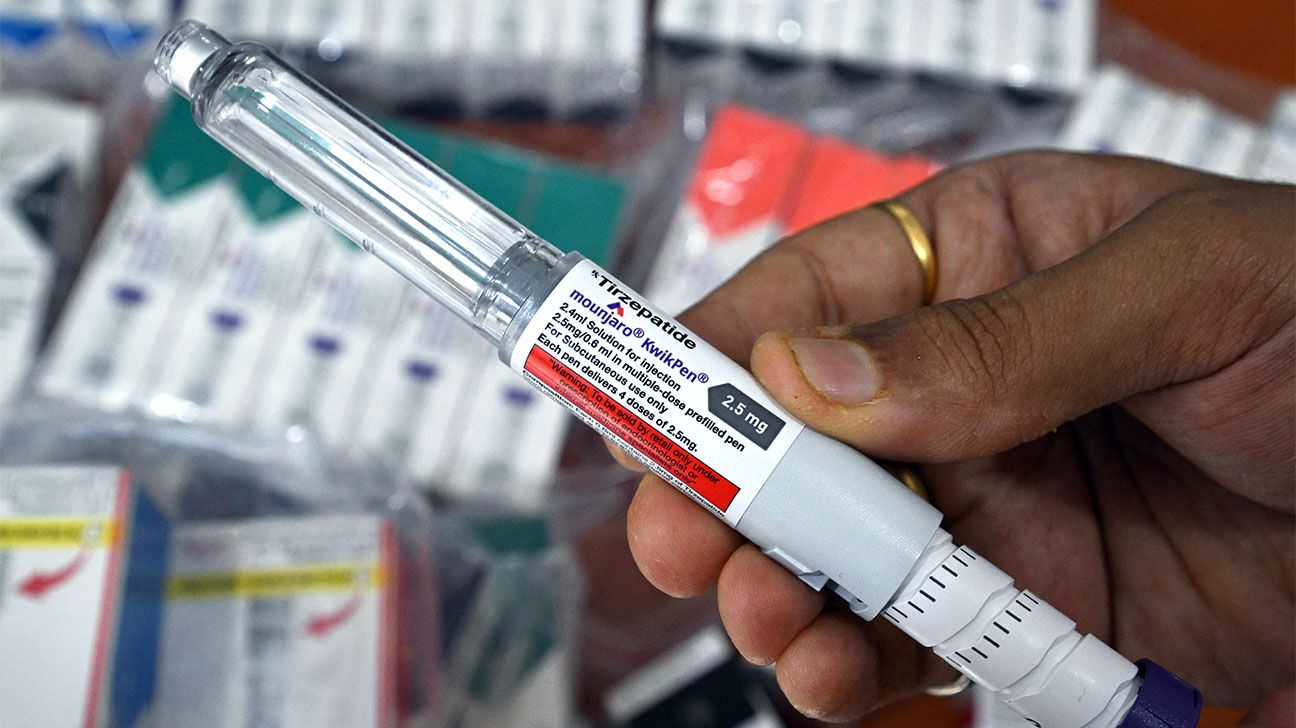
- Reduce cardiovascular risks by up to 30% in high-risk patients
- Tirzepatide in Mounjaro and Zepbound drives benefits
- Experts urge diet and exercise alongside medication
Weight-loss medications containing the active ingredient tirzepatide—sold under the brand names Mounjaro and Zepbound—have been found to significantly reduce cardiovascular risks in people with serious heart conditions, according to research published this week. The drugs, classified as GLP-1 receptor agonists, work by helping patients lose weight and better control blood sugar levels, both of which are critical factors in managing obesity-related heart disease. Researchers analyzed data from clinical trials involving thousands of patients with pre-existing heart conditions and found a 30% reduction in major adverse cardiovascular events among those taking tirzepatide compared to placebo groups. The study, led by researchers at Cleveland Clinic, was presented at the European Society of Cardiology Congress and is under review for publication in a peer-reviewed journal. The findings add to growing evidence that GLP-1 drugs may offer broader health benefits beyond weight loss and diabetes management, particularly for patients at high risk of heart disease. The Cleveland Clinic team noted that the cardiovascular benefits appeared to be directly linked to the drugs’ ability to reduce body weight and improve metabolic health. While the results are promising, experts emphasize that these medications are not a standalone solution. Patients are still advised to follow a balanced diet, engage in regular physical activity, and work closely with their healthcare providers to manage their conditions. The study focused on patients with conditions such as heart failure, coronary artery disease, and hypertension, all of which are exacerbated by obesity. ## Tirzepatide’s dual-action mechanism under scrutiny Tirzepatide’s unique design sets it apart from other GLP-1 drugs. It targets both GLP-1 and GIP receptors, which may explain its enhanced effectiveness in weight loss and metabolic control. Clinical trials have shown tirzepatide can lead to an average weight loss of 15-20% of body weight over 72 weeks, making it one of the most potent anti-obesity treatments available. The drug’s dual-action approach has made it a top choice for patients with type 2 diabetes and obesity, conditions that often overlap with heart disease. However, the new cardiovascular data raises questions about whether tirzepatide’s benefits could extend to a wider patient population, including those without diabetes but with obesity-related heart risks. The Cleveland Clinic researchers plan to conduct further studies to determine the long-term impact of tirzepatide on heart health, including its effects on hospitalization rates and quality of life. ## Side effects and accessibility concerns While tirzepatide offers significant health benefits, it is not without drawbacks. Common side effects include nausea, vomiting, diarrhea, and constipation, which can be severe enough to require dose adjustments or discontinuation in some patients. The drugs are also expensive, with list prices exceeding $1,000 per month without insurance coverage. This cost barrier has sparked debates about equitable access, particularly for low-income patients who may benefit the most from the medication’s cardiovascular and metabolic effects. Insurance coverage for tirzepatide varies widely, with some plans covering it fully for diabetes or obesity but requiring prior authorization for off-label use in heart disease prevention. Advocacy groups are pushing for broader coverage policies to ensure these drugs reach the patients who need them most. ## What happens next for patients and doctors? The new research is expected to influence clinical guidelines for managing obesity-related heart disease. The American Heart Association and other medical organizations are reviewing the data to determine whether tirzepatide should be recommended as a first-line treatment for high-risk patients. Meanwhile, patients already taking Mounjaro or Zepbound are advised to continue following their prescribed regimens but should not assume the drugs alone will resolve their heart health issues. Lifestyle modifications remain a cornerstone of treatment for obesity and heart disease. Doctors may increasingly consider tirzepatide for patients with obesity who have not responded to traditional weight-loss interventions but have underlying heart conditions. The Cleveland Clinic researchers hope their findings will encourage more insurance providers to cover the medication for cardiovascular risk reduction, not just diabetes or obesity. For now, the medical community awaits further data on tirzepatide’s long-term safety and efficacy in heart disease prevention.
What You Need to Know
- Source: Healthline
- Published: May 16, 2026 at 16:23 UTC
- Category: Health
- Topics: #health · #wellness · #medicine · #food · #cooking · #mounjaro
Read the Full Story
This is a curated summary. For the complete article, original data, quotes and full analysis:
All reporting rights belong to the respective author(s) at Healthline. GlobalBR News summarizes publicly available content to help readers discover the most relevant global news.
Curated by GlobalBR News · May 16, 2026
Related Articles
- Midlife fitness boosts lifespan and health by 5+ years study finds
- Why ‘Ballmaxxing’ May Be More Dangerous Than You Think
- Weight Loss Surgeries Decline as GLP-1 Use Skyrockets. Why This Matters
🇧🇷 Resumo em Português
Pesquisadores descobriram que medicamentos como o Mounjaro e o Zepbound, à base de tirzepatide, reduzem em até 30% os riscos cardíacos em pacientes obesos com doenças graves no coração, um achado que promete revolucionar o tratamento de uma parcela cada vez maior da população brasileira. O estudo, considerado um marco, foi apresentado em congresso médico internacional e reforça a eficácia desses fármacos não apenas no controle do peso, mas também na prevenção de complicações cardiovasculares, que lideram as causas de morte no Brasil. A obesidade, aliada a doenças como hipertensão e diabetes, afeta cerca de 26% dos adultos no país, segundo o Ministério da Saúde, tornando essa descoberta ainda mais urgente para o Sistema Único de Saúde (SUS).
O contexto brasileiro é especialmente relevante, pois o país enfrenta uma epidemia de obesidade e doenças crônicas, com custos crescentes para a saúde pública. Os medicamentos GLP-1, antes restritos a tratamentos de diabetes, ganharam espaço como alternativa para emagrecimento, mas agora mostram um benefício adicional crucial: a proteção cardiovascular. Especialistas destacam que, embora a novidade seja promissora, mudanças no estilo de vida — como alimentação equilibrada e exercícios físicos — continuam indispensáveis. A Agência Nacional de Vigilância Sanitária (Anvisa) ainda não aprovou o uso desses remédios para fins cardíacos, mas a pressão por acesso aumenta diante de evidências científicas tão robustas.
O próximo passo deve ser a análise regulatória no Brasil, que pode abrir caminho para que pacientes com obesidade e doenças cardíacas tenham acesso a essa terapia inovadora, aliviando a pressão sobre os hospitais públicos.
🇪🇸 Resumen en Español
Un estudio pionero revela que los fármacos para la obesidad basados en GLP-1, como el tirzepatide presente en Mounjaro y Zepbound, reducen hasta un 30% los riesgos cardiovasculares en pacientes con obesidad grave y problemas cardíacos previos.
La investigación, presentada en un congreso médico internacional, confirma que estos medicamentos no solo favorecen la pérdida de peso, sino que también disminuyen significativamente la probabilidad de sufrir infartos o accidentes cerebrovasculares en personas con obesidad mórbida. Aunque los resultados son prometedores, los expertos insisten en que estos tratamientos deben complementarse con cambios profundos en el estilo de vida, como una dieta equilibrada y ejercicio regular, para garantizar beneficios a largo plazo. Para la población hispanohablante, donde la obesidad y las enfermedades cardiovasculares representan un creciente problema de salud pública, estos avances abren nuevas esperanzas, pero también subrayan la necesidad de abordar el problema desde un enfoque integral.
Healthline
Read full article at Healthline →This post is a curated summary. All rights belong to the original author(s) and Healthline.
Was this article helpful?


Discussion