Declare climate emergency now to save millions of lives, experts urge WHO.
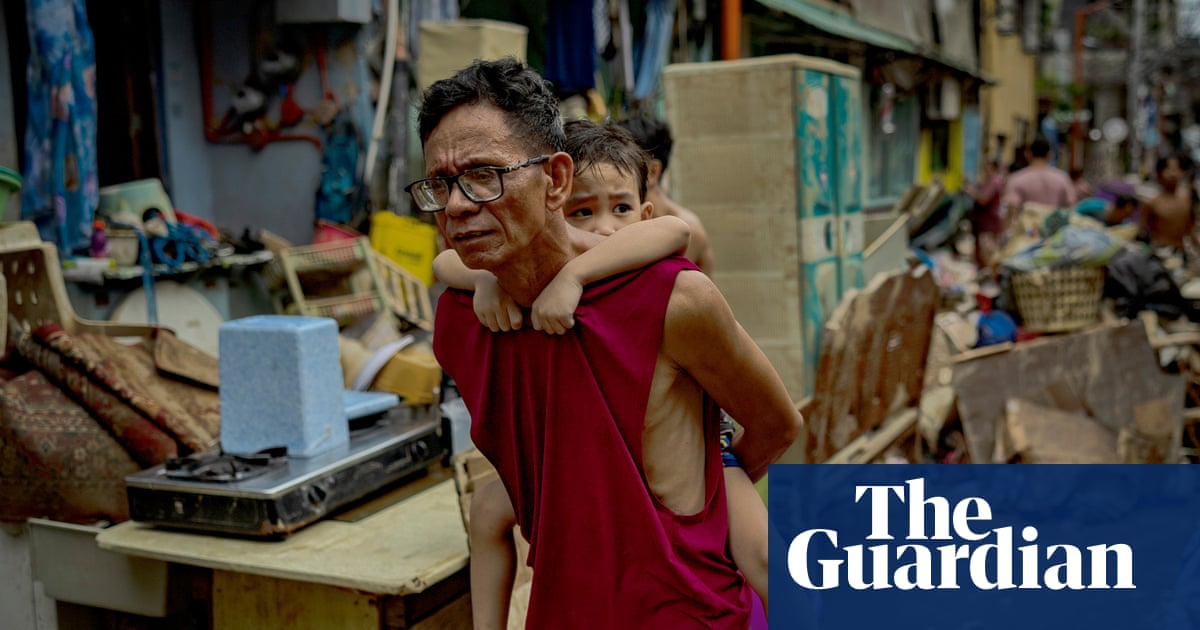
- Experts urge WHO to declare climate crisis a global health emergency
- Commission says emergency status could prevent millions of deaths
- WHO warned of 'public health emergency of international concern'
The World Health Organization must declare the climate crisis a global public health emergency to avoid millions of unnecessary deaths, a high-level commission has warned. The independent pan-European commission on climate and health, convened by the WHO, argued that the escalating environmental crisis poses such a severe threat to global health that it warrants the highest alert level under international law. The designation, known as a Public Health Emergency of International Concern (PHEIC), would trigger a coordinated global response aimed at mitigating the deadly impacts of climate change.
WHO warned of mounting health risks from climate change
In a report released today, the commission outlined how rising temperatures, extreme weather and worsening air pollution are directly increasing death tolls worldwide. Heatwaves alone are now responsible for hundreds of thousands of deaths annually, while shifting disease patterns and food insecurity threaten vulnerable populations. The experts stressed that without immediate action, the situation will worsen, with millions more lives at risk in the coming decades.
The call comes as global temperatures continue to break records, with 2023 confirmed as the hottest year on record. The commission’s findings underscore the urgent need for health systems to adapt to the growing crisis, from strengthening early warning systems for extreme weather to protecting healthcare infrastructure from climate-related disasters. Many low-income countries, which contribute least to climate change, face the highest health burdens.
Emergency declaration could drive global response
Declaring a PHEIC would compel WHO member states to implement stronger climate-health policies under international law. This includes accelerating the phase-out of fossil fuels, expanding renewable energy access and investing in resilient health services. The commission argues that such measures could save lives by reducing exposure to deadly heat, improving air quality and preventing the spread of climate-sensitive diseases like malaria and dengue.
Critics, however, question whether the WHO has the authority to issue such a declaration without broader political consensus. The organization has previously hesitated to use the PHEIC tool, reserving it for outbreaks like Ebola and COVID-19. But the commission insists that climate change’s health impacts are now too severe to ignore, comparing the crisis to a slow-motion pandemic that demands urgent intervention.
Health systems already overwhelmed by climate effects
Hospitals and clinics worldwide are struggling to cope with the fallout of climate change. Extreme weather events have disrupted supply chains, destroyed medical facilities and displaced millions, leaving health workers overwhelmed. The commission’s report highlights how these pressures are exacerbating existing inequalities, with marginalized communities bearing the brunt of the crisis.
The WHO’s decision now hinges on whether it will prioritize climate health as a top-tier emergency. While some experts applaud the commission’s bold stance, others warn that political resistance could delay meaningful action. Regardless, the report makes clear that the cost of inaction far outweighs the effort required to address the crisis head-on.
What You Need to Know
- Source: The Guardian
- Published: May 16, 2026 at 04:00 UTC
- Category: Environment
- Topics: #guardian · #climate · #environment · #declare · #exclusive · #commission
Read the Full Story
This is a curated summary. For the complete article, original data, quotes and full analysis:
All reporting rights belong to the respective author(s) at The Guardian. GlobalBR News summarizes publicly available content to help readers discover the most relevant global news.
Curated by GlobalBR News · May 16, 2026
🇧🇷 Resumo em Português
O Brasil, que já enfrenta secas históricas, queimadas devastadoras e enchentes cada vez mais frequentes, agora tem mais um alerta global para refletir: a Organização Mundial da Saúde (OMS) pode declarar a crise climática uma emergência de saúde pública. A pressão vem de especialistas que mostram como as mudanças no clima já ceifam milhões de vidas anualmente, um número que só tende a aumentar sem ações urgentes.
O contexto é especialmente preocupante para o Brasil, um dos países mais vulneráveis aos impactos do aquecimento global. Além dos prejuízos ambientais, como o desmatamento na Amazônia, que afeta não só a biodiversidade mas também a saúde de milhões de pessoas, o país convive com doenças tropicais em expansão e crises hídricas que comprometem o acesso à água potável. Se a OMS confirmar a emergência, isso poderia acelerar políticas internacionais de mitigação e financiamento para nações como o Brasil, que sofrem diretamente com as consequências da crise.
A decisão, que deve ser avaliada nos próximos meses, pode ser um divisor de águas para pressionar governos a adotarem medidas mais robustas contra as emissões de gases-estufa e a protegerem as populações mais afetadas.
The Guardian
Read full article at The Guardian →This post is a curated summary. All rights belong to the original author(s) and The Guardian.
Was this article helpful?


Discussion