German court rules Milka’s parent company misled consumers by cutting bar weight without altering packaging.
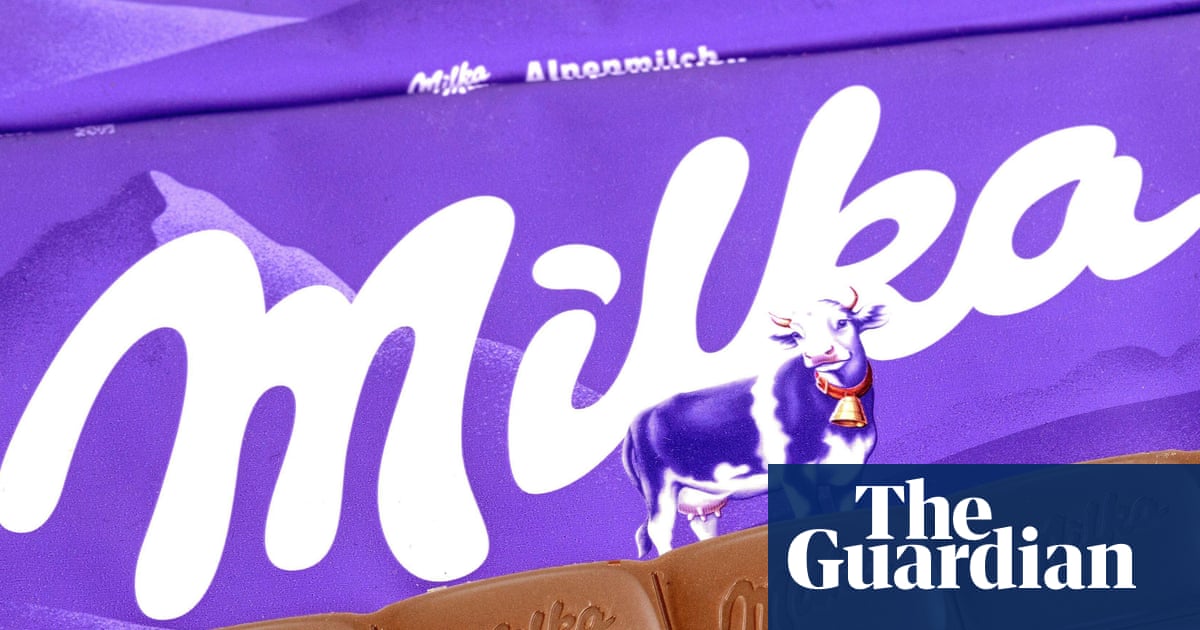
- German court rules Milka’s shrinkflation was illegal
- Mondelēz cut Alpine Milk bar from 100g to 90g
- Packaging remained unchanged during reduction
A regional court in Germany has ruled that Mondelēz, the US-based owner of the Milka chocolate brand, unfairly misled consumers by reducing the weight of its classic Alpine Milk bar without altering the distinctive purple packaging.
Court rules shrinkflation violated consumer rights
The three-week case, brought by Hamburg’s consumer protection office, found that Mondelēz’s decision to cut the bar’s weight from 100 grams to 90 grams while keeping the wrapper the same was deceptive. The court determined that the change in product weight constituted an unfair commercial practice under German consumer protection laws.
Consumer advocates have long criticized shrinkflation—a practice where companies reduce product sizes while maintaining or increasing prices—as a form of hidden price hikes. The Milka case is one of the first legal challenges in Germany to address this issue directly, and the ruling could influence future cases involving similar practices.
Milka’s parent company faces broader scrutiny
Mondelēz, which also owns brands like Oreo and Toblerone, has faced growing criticism in Europe over shrinkflation. The company has previously adjusted product sizes in response to rising ingredient and production costs, but the German court’s decision suggests such moves must be clearly communicated to avoid legal repercussions.
The ruling comes amid heightened scrutiny of food manufacturers in Germany, where consumer protection laws are among the strictest in the European Union. The Hamburg consumer office argued that the packaging’s design, which prominently features the Milka cow and the phrase “Alpine Milk,” implies a consistent product experience that was no longer accurate after the weight reduction.
What this means for shoppers and manufacturers
Legal experts say the decision sets a precedent that could embolden consumer protection groups to challenge other shrinkflation cases in court. For manufacturers, the ruling underscores the need to be transparent about product changes, especially when packaging remains unchanged.
The court has not yet specified penalties for Mondelēz, but the ruling requires the company to comply with German consumer protection laws moving forward. The decision could also prompt other companies to review their packaging and labeling practices to avoid similar legal challenges.
Broader implications for the food industry
The case highlights the tension between rising production costs and consumer expectations. While manufacturers argue that shrinkflation is necessary to maintain profitability, consumer advocates contend that such practices erode trust and exploit shoppers who may not notice subtle changes in product sizes.
Germany’s strict consumer protection laws may now serve as a model for other European countries looking to curb shrinkflation. The ruling could lead to similar legal challenges in markets where consumers are increasingly vocal about perceived price gouging and deceptive practices.
Milka has not yet indicated whether it plans to appeal the decision. The brand, known for its Alpine-themed imagery and smooth milk chocolate, remains a staple in European supermarkets despite the controversy.
What You Need to Know
- Source: The Guardian
- Published: May 13, 2026 at 18:17 UTC
- Category: Business
- Topics: #guardian · #business · #economy · #milka · #german · #brand
Read the Full Story
This is a curated summary. For the complete article, original data, quotes and full analysis:
All reporting rights belong to the respective author(s) at The Guardian. GlobalBR News summarizes publicly available content to help readers discover the most relevant global news.
Curated by GlobalBR News · May 13, 2026
Related Articles
- How Trump’s ‘unusual’ brokerage account traded around his own market-moving decisions—selling hyperscalers and buying energy stocks during the war
- Cerebras debuts on Wall Street with AI chip demand soaring 2024
- Key arguments revealed in Musk vs OpenAI trial closing statements
🇧🇷 Resumo em Português
Um tribunal alemão determinou que a Mondelēz, dona da marca Milka, agiu de forma enganosa ao reduzir o peso do chocolate Alpine Milk de 100g para 90g sem alterar a embalagem ou comunicar claramente aos consumidores. A decisão reforça a crescente fiscalização sobre a prática conhecida como “shrinkflation”, em que fabricantes diminuem o tamanho dos produtos enquanto mantêm os preços estáveis ou até os aumentam.
No Brasil, onde a inflação e o poder de compra são temas sensíveis, a notícia ganha relevância por expor um problema que afeta diretamente o bolso dos consumidores. A prática de reduzir o tamanho de produtos sem aviso prévio já havia sido alvo de críticas no país, levando o governo a discutir medidas para coibir o abuso. A decisão alemã pode servir de precedente para que autoridades brasileiras intensifiquem a fiscalização e exijam maior transparência das empresas. Além disso, abre espaço para que organizações de defesa do consumidor cobrem mudanças no mercado nacional.
A sentença ainda pode impulsionar uma revisão de políticas globais sobre rotulagem, pressionando outras fabricantes a repensar suas estratégias.
🇪🇸 Resumen en Español
Un tribunal alemán ha dictado un fallo histórico contra Mondelēz, la multinacional dueña de la marca Milka, al considerar que la reducción del peso de sus tabletas de chocolate Alpine Milk —de 100 a 90 gramos— sin modificar el tamaño de los envases constituye una práctica engañosa para los consumidores.
La sentencia, que sienta un precedente en la protección del comprador, subraya la importancia de la transparencia en el etiquetado y abre la puerta a nuevas reclamaciones contra otras empresas que hayan aplicado estrategias similares de “shrinkflation”. En un contexto de inflación persistente, donde los precios de los alimentos siguen al alza, este caso recuerda a los hispanohablantes la necesidad de revisar las etiquetas con lupa, ya que muchos productos en supermercados europeos —incluidos algunos de marcas conocidas— han reducido su contenido sin avisar al cliente. La decisión judicial refuerza el derecho a una información clara y podría impulsar cambios en la legislación comunitaria para evitar abusos en el sector.
The Guardian
Read full article at The Guardian →This post is a curated summary. All rights belong to the original author(s) and The Guardian.
Was this article helpful?


Discussion