FDA blocks release of vaccine safety studies raising questions about transparency and public trust.
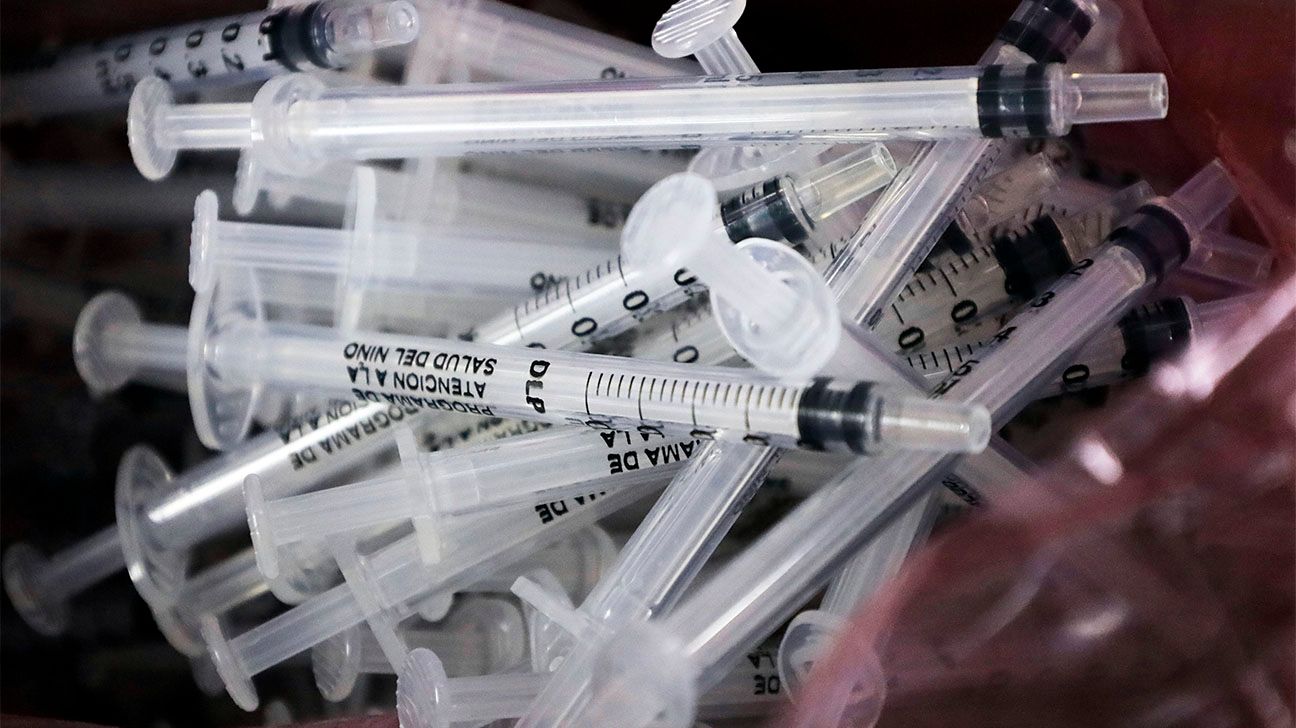
- FDA blocked COVID-19 and shingles vaccine safety studies citing flawed conclusions
- Experts say vaccines’ safety is well-documented, questioning FDA’s move
- Decision follows HHS Secretary Robert F. Kennedy Jr.’s criticism of vaccine policies
The U.S. Food and Drug Administration (FDA) https://www.fda.gov has blocked the publication of multiple studies examining the safety of widely used COVID-19 and shingles vaccines, citing concerns over their conclusions. The move has drawn sharp criticism from public health experts who argue that the vaccines have undergone extensive review and have robust evidence supporting their safety and effectiveness.
The affected studies were prepared for release by the FDA’s Office of Vaccines Research and Review but were withdrawn just before publication, according to three people familiar with the matter who spoke to the Washington Post. The decision has raised questions about transparency in vaccine safety monitoring and the influence of political figures on scientific publishing.
HHS Secretary Robert F. Kennedy Jr. https://en.wikipedia.org/wiki/Robert_F._Kennedy_Jr., a vocal critic of vaccines and COVID-19 policies, has publicly challenged vaccine safety data in recent months. While the FDA has not directly linked the decision to Kennedy, experts say his public statements may have contributed to increased scrutiny of vaccine-related research.
The blocked studies reportedly included analyses of post-market surveillance data for both the Pfizer-BioNTech and Moderna COVID-19 vaccines, as well as the shingles vaccine Shingrix. These vaccines have been administered to millions of Americans with adverse event rates remaining within expected ranges, according to data from the CDC and other health agencies.
Critics argue the FDA’s decision undermines public confidence in vaccine safety monitoring. Dr. Peter Hotez, a vaccine scientist at Baylor College of Medicine, called the move “deeply concerning” in a statement to media outlets, saying it risks eroding trust in regulatory agencies that have historically provided reliable guidance during health crises.
Vaccine safety studies face renewed scrutiny
The FDA’s decision reflects a growing tension between regulatory agencies and external pressures, including political advocacy groups that oppose vaccination. While the agency maintains that the studies contained methodological concerns, independent researchers say the issues raised were minor and did not warrant suppression.
The blocked research included a study analyzing real-world data from the CDC’s Vaccine Safety Datalink, a long-standing program that monitors vaccine safety using electronic health records. Another withdrawn study examined reports to the Vaccine Adverse Event Reporting System (VAERS), which collects unverified reports of possible side effects.
Public health officials emphasize that vaccine safety systems are designed to detect rare risks that may not appear in clinical trials. They note that millions of doses of COVID-19 vaccines have been administered without evidence of widespread serious harm.
What happens next?
The FDA has not announced a timeline for the release of the studies or whether they will be revised and published in the future. The agency stated in a brief response that it remains committed to transparency but must ensure that all published data meet scientific standards.
Health policy experts say the episode highlights the need for clearer communication from regulators when studies are withheld. They warn that suppressing research, even temporarily, can fuel misinformation and weaken public trust in vaccines.
Meanwhile, Kennedy has continued to call for independent reviews of vaccine safety data, arguing that current monitoring systems are inadequate. His stance has found support among some anti-vaccine groups but has been widely rejected by the medical and scientific communities.
The outcome of this dispute may influence how vaccine safety data is communicated in future public health emergencies, especially as booster campaigns and new vaccine recommendations continue to evolve.
What You Need to Know
- Source: Healthline
- Published: May 16, 2026 at 06:33 UTC
- Category: Health
- Topics: #health · #wellness · #medicine · #vaccine · #blocks-publication · #vaccine-safety-studies
Read the Full Story
This is a curated summary. For the complete article, original data, quotes and full analysis:
All reporting rights belong to the respective author(s) at Healthline. GlobalBR News summarizes publicly available content to help readers discover the most relevant global news.
Curated by GlobalBR News · May 16, 2026
Related Articles
- Why ‘Ballmaxxing’ May Be More Dangerous Than You Think
- Woman thrives 30 years after 1996 HIV diagnosis at age 74
- 18 Americans airlifted home after hantavirus outbreak on cruise ship
🇧🇷 Resumo em Português
O Brasil, que já enfrentou desafios imensos com campanhas de vacinação durante a pandemia, agora vê um novo alerta global soar: a FDA, agência reguladora dos Estados Unidos, suspendeu a publicação de estudos cruciais sobre a segurança de vacinas contra Covid-19 e herpes-zóster, gerando polêmica entre especialistas. A justificativa da agência — falhas metodológicas nos documentos — deixou cientistas e cidadãos em alerta, questionando até que ponto a transparência pode ser comprometida em nome da celeridade ou de interesses não revelados.
A decisão da FDA chega em um momento crítico para o Brasil, onde a confiança nas vacinas ainda é um tema sensível após anos de desinformação e hesitação vacinal. Especialistas brasileiros, que há pouco tempo lutavam para reverter índices de baixa adesão, agora temem que episódios como esse alimentem ainda mais a desconfiança, sobretudo em um país onde o movimento antivacina já causou danos duradouros. Além disso, a falta de acesso a dados transparentes pode minar a credibilidade de instituições reguladoras, essenciais para a saúde pública, e abrir espaço para especulações infundadas.
O próximo passo deve ser apressar a revisão independente desses estudos pela comunidade científica internacional, enquanto autoridades brasileiras, como a Anvisa, precisam reforçar a transparência para evitar que a desinformação ganhe ainda mais força no debate público.
🇪🇸 Resumen en Español
La Agencia Estadounidense del Medicamento (FDA) ha paralizado la publicación de estudios clave sobre la seguridad de las vacunas contra la COVID-19 y el herpes zóster, una decisión que ha generado alerta entre los expertos por su posible impacto en la transparencia y la salud pública.
El organismo regulador justificó la suspensión argumentando que los estudios presentaban “fallos metodológicos graves”, lo que ha reavivado el debate sobre la confianza en las instituciones sanitarias, especialmente en un contexto de creciente desinformación. Para los hispanohablantes, este incidente subraya la importancia de exigir rigor científico en todas las fases de investigación y comunicación de datos, pues la percepción pública sobre la eficacia y seguridad de las vacunas sigue siendo un pilar fundamental en la lucha contra enfermedades prevenibles.
Healthline
Read full article at Healthline →This post is a curated summary. All rights belong to the original author(s) and Healthline.
Was this article helpful?


Discussion