Trump left Beijing without China’s firm commitment to end Iran war or alter Taiwan stance.
- Trump sought China’s help ending Iran war with no guarantees secured
- Xi warned US over Taiwan during joint press conference
- Summit produced positive statements but no concrete deals
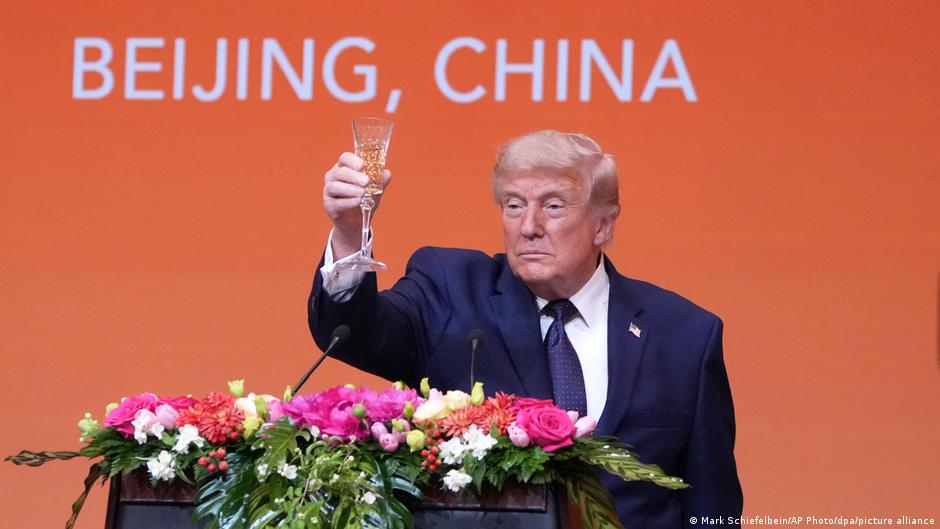
Donald Trump’s high-profile visit to Beijing this week ended with glowing praise from the White House for what it called a productive summit with Chinese President Xi Jinping Xi Jinping. But behind the ceremonial statements and diplomatic niceties, little progress emerged on the two most pressing global conflicts: the war in Iran and tensions over Taiwan. The summit, held over two days in May 2026, featured Trump calling Xi a ‘great leader’ and a man he ‘respects greatly,’ language that stood in contrast to the limited substance of the talks.
No breakthrough on Iran war despite Trump’s push
Trump reiterated his goal of ending the Iran war during a joint press event with Xi, stating, ‘We want that to end. We don’t want them to have a nuclear weapon. We want the straits open.’ The conflict began in late February after coordinated airstrikes by the U.S. and Israel targeted Iranian nuclear and military sites. While Trump suggested both leaders shared similar views on resolving the conflict, there was no indication that China had agreed to play a mediating role or take concrete steps to de-escalate tensions. Chinese state media offered no additional details on any commitments made during closed-door discussions.
Xi’s warning on Taiwan overshadows summit
The meeting took a sharper tone when Xi addressed Taiwan, a semi-autonomous island China claims as its territory. ‘On the Taiwan question, the Chinese people have firm will, full confidence, and sufficient capability to thwart any separatist attempts,’ Xi stated, a message clearly aimed at Washington. The warning came as Trump administration officials have increased rhetorical and military support for Taiwan in recent months, including expanded arms sales and high-level diplomatic visits. China has repeatedly criticized such moves as violations of its sovereignty.
Summit delivers optics, not policy
Despite the positive framing from the Trump White House—where officials labeled Trump ‘the dealmaker-in-chief’—the summit produced few tangible outcomes. No joint statements, trade agreements, or security arrangements were announced. Analysts noted that the lack of detail mirrored Trump’s previous diplomatic efforts, where bold rhetoric often outpaced deliverable results. ‘Summits like this are more about messaging than substance,’ said Bonnie Glaser, director of the Asia Program at the German Marshall Fund. ‘Both sides wanted to show engagement, but neither wanted to make concessions.’
Trump’s diplomatic gamble falls short
Trump arrived in Beijing seeking a diplomatic win amid domestic criticism over his handling of the Iran war and stalled negotiations with global partners. The trip was framed as an opportunity to rally international support, particularly from China, one of Iran’s key economic backers. However, with no clear commitments from Beijing, Trump’s leverage appears limited. Meanwhile, Xi used the platform to reassert China’s red lines on Taiwan, signaling that Beijing will not yield on sovereignty issues despite U.S. pressure.
Broader implications loom over US-China relations
The summit underscored the deepening mistrust between Washington and Beijing, even as both sides seek to manage competition without outright conflict. The Iran war and Taiwan remain flashpoints that could escalate if miscalculations occur. With no immediate resolution in sight, the focus now shifts to whether China will quietly influence Iran behind the scenes—or if Trump’s strategy of personal diplomacy has reached its limits.
While Trump returned to Washington claiming progress, the absence of concrete agreements left analysts skeptical about lasting impact. For now, the world’s two largest economies appear stuck in a cycle of symbolic engagement and unmet expectations.
What You Need to Know
- Source: Deutsche Welle
- Published: May 15, 2026 at 13:12 UTC
- Category: World
- Topics: #europe · #world-news · #war · #conflict · #china
Read the Full Story
This is a curated summary. For the complete article, original data, quotes and full analysis:
All reporting rights belong to the respective author(s) at Deutsche Welle. GlobalBR News summarizes publicly available content to help readers discover the most relevant global news.
Curated by GlobalBR News · May 15, 2026
Related Articles
- Eurovision 2024 faces scrutiny over Israel’s participation amid war
- War in the Middle East: Israel targets top Hamas leader in Gaza
- US Justice Department preparing indictment against Raúl Castro
🇧🇷 Resumo em Português
Donald Trump voltou de Pequim sem os resultados que esperava: a China não se comprometeu de forma clara em ajudar os Estados Unidos no conflito no Irã, e as tensões com Taiwan ganharam novo capítulo, com Xi Jinping reforçando advertências ao governo americano. A visita, marcada por expectativas de avanços comerciais e diplomáticos, terminou com promessas vagas e pouca substância, enquanto a questão taiwanesa voltou ao centro das discussões.
O encontro entre os dois líderes, realizado em um momento de forte pressão sobre o Irã após ataques recentes, tinha potencial para selar alianças estratégicas, mas a falta de acordos concretos expõe as dificuldades de Trump em alinhar a China em sua política externa. Para o Brasil, a situação reforça a importância de acompanhar os desdobramentos da relação sino-americana, que afeta diretamente a economia global — e, consequentemente, o comércio exterior brasileiro. Além disso, as advertências de Xi sobre Taiwan servem como um lembrete das crescentes tensões no Estreito, que podem impactar não só a Ásia, mas também a estabilidade geopolítica mundial.
A próxima rodada de negociações entre Washington e Pequim deve ser ainda mais tensa, com possíveis reflexos nas negociações comerciais que afetam países como o Brasil.
🇪🇸 Resumen en Español
El presidente estadounidense, Donald Trump, regresó de su encuentro con el líder chino, Xi Jinping, con las manos casi vacías: Pekín evitó comprometerse en la guerra de Irán y reforzó su postura belicosa sobre Taiwán. La cumbre, lejos de calmar las tensiones globales, dejó al descubierto la fragilidad de la diplomacia en un momento crítico para la estabilidad internacional.
El fracaso de Trump para asegurar el apoyo chino en el conflicto iraní refleja la creciente distancia entre Washington y Pekín, especialmente en un escenario donde Taiwán emerge como el nuevo frente de fricción. Para los hispanohablantes, este tira y afloja tiene implicaciones directas: desde el encarecimiento del petróleo hasta la posibilidad de un conflicto regional que desestabilizaría el comercio global. Además, la retórica de Xi sobre Taiwán —territorio que considera parte de China— resuena con ecos de la Guerra Fría, recordando a muchos la importancia de monitorear cómo estas tensiones podrían escalar en el futuro.
Deutsche Welle
Read full article at Deutsche Welle →This post is a curated summary. All rights belong to the original author(s) and Deutsche Welle.
Was this article helpful?


Discussion