BBC finds UK anti-immigration AI videos were faked overseas in Sri Lanka and Vietnam.
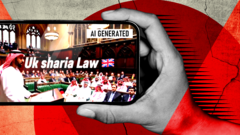
- BBC traced UK anti-immigration AI videos to Sri Lankan and Vietnamese operatives
- Videos used fake British identities to spread divisive content
- Operatives hired by unidentified clients targeting UK elections
A BBC investigation has exposed how AI-generated, anti-immigration videos that flooded UK social media feeds were produced by content farms in Sri Lanka and Vietnam. The videos, which featured fake British presenters attacking immigration policies, were designed to mimic authentic grassroots activism while concealing their foreign origins.
Researchers traced the digital footprints of these accounts to commercial operations in Colombo and Hanoi, where teams used AI voice cloning and deepfake video tools to create persuasive but fabricated content. The videos were then posted under British-sounding usernames, often with profile images generated by AI, to avoid immediate detection.
How the disinformation network operated
The operation relied on a mix of AI automation and human content moderation. Operatives used platforms like YouTube, TikTok, and Facebook to distribute the videos, targeting UK audiences with messages designed to stoke fear over immigration and asylum policies. Some clips attracted millions of views before being flagged and removed.
Sources within the tech industry, who spoke on condition of anonymity, confirmed that these content farms employ freelancers to script, voice, and edit videos using AI tools that can clone regional British accents. The operatives were paid per video posted, suggesting a commercial, rather than ideological, motivation behind the campaign.
Platforms respond to the findings
Major social media companies have faced repeated criticism for failing to detect and remove AI-generated disinformation ahead of elections. A Meta spokesperson said the company uses AI detection tools to identify and remove inauthentic behavior, but acknowledged the challenge of tracking content that evolves quickly. TikTok and YouTube did not immediately respond to requests for comment.
The BBC’s findings come as UK authorities prepare to hold a public inquiry into foreign interference in British elections. The Electoral Commission has already warned of risks posed by AI-generated political advertising, including the potential to mislead voters on a large scale.
Who hired the operatives remains unclear
The BBC could not determine who funded or commissioned the videos, leaving open the possibility that the campaign was state-sponsored, financially motivated, or driven by domestic political actors seeking to manipulate public opinion. Investigators are examining whether the content aligns with broader disinformation campaigns linked to foreign governments.
Experts warn that such operations are becoming harder to detect as AI tools become cheaper and more accessible. The use of fake personas and synthetic media allows bad actors to bypass traditional fact-checking and moderation systems, making it easier to spread divisive narratives at scale.
The revelations underscore the growing threat of AI-driven disinformation, particularly in the run-up to national elections. With UK voters heading to the polls, the findings highlight the urgent need for stronger transparency and accountability in digital political advertising.
What You Need to Know
- Source: BBC News
- Published: May 15, 2026 at 05:01 UTC
- Category: World
- Topics: #bbc · #world-news · #international · #anti · #patriotic · #sri-lanka
Read the Full Story
This is a curated summary. For the complete article, original data, quotes and full analysis:
All reporting rights belong to the respective author(s) at BBC News. GlobalBR News summarizes publicly available content to help readers discover the most relevant global news.
Curated by GlobalBR News · May 15, 2026
Related Articles
- US proposes 40% cut in Colorado River water for 3 states amid drought
- Trump urges Taiwan to avoid independence amid rising China tensions
- Xi gives Trump private tour of secret garden in Beijing
🇧🇷 Resumo em Português
Uma onda de vídeos falsos com vozes artificialmente geradas e imagens manipuladas inundou as redes sociais do Reino Unido, mas a surpresa está por trás das contas: muitos desses conteúdos anti-imigração não foram produzidos localmente, mas sim por operadores estrangeiros com fins políticos ocultos. A revelação, feita pela BBC após meses de investigação, expõe uma estratégia sofisticada de desinformação que pode redefinir os padrões da propaganda digital em eleições pelo mundo, inclusive no Brasil.
A apuração da emissora britânica identificou perfis em plataformas como TikTok e Facebook que disseminavam deepfakes — vídeos hiper-realistas criados por inteligência artificial — com mensagens alarmistas sobre imigrantes e refugiados. O que chamou a atenção foi a origem estrangeira dessas contas, muitas delas operando de países como Índia, Bangladesh e Paquistão, mas com foco em influenciar o debate político britânico. Especialistas ouvidos pela BBC alertam que essa prática representa um novo patamar de interferência externa, semelhante aos escândalos de manipulação de eleições passadas, mas agora com ferramentas tecnológicas ainda mais poderosas. Para o Brasil, onde as eleições presidenciais de 2026 já acendem o sinal de alerta, o caso serve como um alerta sobre os riscos de campanhas de desinformação baseadas em IA, especialmente em um cenário polarizado.
O próximo passo deve ser cobrar maior transparência das big techs e endurecer as leis contra manipulação algorítmica — afinal, se a estratégia já chegou à Europa, é questão de tempo até que se espalhe por aqui.
🇪🇸 Resumen en Español
Una investigación de la BBC ha destapado cómo cuentas británicas con perfiles antiinmigración difundían deepfakes desde el extranjero para manipular el debate político antes de elecciones clave. Los contenidos generados con inteligencia artificial, que llegaron a millones de usuarios, buscaban exacerbar el rechazo a los migrantes y polarizar a la sociedad en un momento decisivo.
Estos hallazgos revelan no solo la sofisticación de las campañas de desinformación, sino también la facilidad con la que actores externos pueden interferir en procesos democráticos europeos. Para los hispanohablantes, el caso subraya la urgencia de regular las plataformas digitales y fortalecer la alfabetización mediática, especialmente en un contexto donde la desinformación transnacional ya ha demostrado su capacidad para erosionar la confianza en las instituciones y avivar el discurso del odio.
BBC News
Read full article at BBC News →This post is a curated summary. All rights belong to the original author(s) and BBC News.
Was this article helpful?


Discussion