New UK study finds some sandwiches contain more salt than nearly five cheeseburgers, raising health concerns.
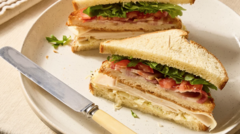
- Study finds some sandwiches exceed daily salt limits in one meal
- Public health group warns of hidden sodium risks in popular lunches
- Researchers call for clearer food labeling on salt content
A new analysis reveals that some sandwiches contain more salt than nearly five cheeseburgers, exposing consumers to a hidden health risk with each lunch purchase. Researchers from Action on Salt & Sugar examined the sodium content of 497 sandwiches sold in UK supermarkets and found that several exceeded daily salt intake recommendations in a single meal.
The study found that the saltiest sandwiches contained up to 4.2g of salt, nearly matching the 4.6g daily limit set by UK health authorities. In comparison, a typical cheeseburger contains about 0.9g of salt, making some sandwiches more than four times saltier. The findings raise concerns about the cumulative impact of high-sodium meals on public health, particularly for those who consume sandwiches regularly.
Salt levels vary widely by sandwich type
Sandwiches marketed as healthy options, such as chicken and salad varieties, were among the saltiest. Some contained as much as 3.5g of salt per serving, while others labeled as ‘low fat’ or ‘high protein’ also showed elevated sodium levels. The study highlights the discrepancy between perceived healthiness and actual nutritional content in many convenience foods.
Regulatory bodies respond to findings
Action on Salt & Sugar has called for stricter food labeling and reformulation of high-salt products. The group argues that consumers have the right to make informed choices but are often misled by marketing claims. Public health advocates are pushing for clearer front-of-pack labeling and reduced sodium targets for food manufacturers.
The UK government has previously set voluntary salt reduction targets for food producers, but critics argue progress has been slow. The latest findings suggest that many sandwiches still exceed recommended limits, despite these efforts. Health experts warn that excessive salt intake contributes to high blood pressure, heart disease, and stroke, making this a pressing public health issue.
What can consumers do?
Experts recommend checking nutritional labels before purchasing sandwiches and opting for lower-sodium varieties when possible. Homemade sandwiches allow for better control over salt content, using fresh ingredients and limiting processed meats or cheeses. The study also highlights the broader issue of hidden salt in processed foods, urging consumers to be more mindful of their dietary choices.
Food manufacturers have faced increasing pressure to reduce salt levels in their products. However, the food industry argues that palatability and shelf life are key challenges in reformulation. The debate continues as public health groups push for stronger regulations to protect consumers from excessive salt exposure in everyday foods.
What You Need to Know
- Source: BBC News
- Published: May 13, 2026 at 10:57 UTC
- Category: Health
- Topics: #bbc · #health · #medicine · #posh · #action · #salt
Read the Full Story
This is a curated summary. For the complete article, original data, quotes and full analysis:
All reporting rights belong to the respective author(s) at BBC News. GlobalBR News summarizes publicly available content to help readers discover the most relevant global news.
Curated by GlobalBR News · May 13, 2026
Related Articles
- Why ‘Ballmaxxing’ May Be More Dangerous Than You Think
- Weight Loss Surgeries Decline as GLP-1 Use Skyrockets. Why This Matters
- Olympian Allyson Felix on Why Rest and Recovery Beat Hustle Culture
🇧🇷 Resumo em Português
Um sanduíche de luxo pode conter mais sódio do que quase cinco hambúrgueres de fast-food, segundo um estudo britânico que expõe os riscos ocultos por trás de uma refeição aparentemente comum no Brasil, onde lanches industrializados ganham cada vez mais espaço nas mesas. A pesquisa, publicada recentemente, analisou o teor de sal em diversos tipos de sanduíches premium e revelou que alguns chegam a superar em mais de 30% a ingestão máxima diária recomendada de sódio para um adulto, um problema que preocupa especialistas em saúde pública.
No Brasil, onde o consumo de sanduíches e refeições prontas cresceu significativamente nos últimos anos — impulsionado pela correria do dia a dia e pela popularização de deliveries —, a descoberta britânica serve como um alerta para os riscos de uma dieta excessivamente processada. O sódio em excesso está diretamente ligado a doenças cardiovasculares, hipertensão e problemas renais, doenças que já figuram entre as principais causas de morte no país. Organizações como a Sociedade Brasileira de Cardiologia há anos cobram regulações mais rígidas na indústria alimentícia, mas a pressão por produtos saborosos e práticos ainda dificulta mudanças efetivas.
A notícia reforça a importância de os consumidores brasileiros ficarem atentos aos rótulos e optarem por versões caseiras ou menos processadas, enquanto aguardam por políticas públicas que possam limitar o excesso de sódio na indústria.
🇪🇸 Resumen en Español
Un estudio británico revela que ciertos sándwiches superan en salinidad a casi cinco hamburguesas con queso, desvelando los peligros ocultos de un alimento aparentemente inofensivo pero omnipresente en las dietas rápidas.
La investigación, publicada por expertos en salud pública, subraya cómo productos como los sándwiches preparados —especialmente aquellos con embutidos, quesos grasos o salsas— pueden acumular cantidades alarmantes de sodio, muy por encima de lo recomendado para un adulto en un solo día. Para los consumidores hispanos, este hallazgo adquiere especial relevancia en un contexto donde el fast food y los productos procesados ganan terreno en restaurantes y máquinas expendedoras, normalizando hábitos que, a largo plazo, incrementan el riesgo de hipertensión, enfermedades cardiovasculares y retención de líquidos. La advertencia no solo invita a revisar etiquetas, sino a replantearse la cultura de la comida rápida como opción cotidiana, priorizando alternativas frescas y caseras, incluso en entornos laborales con poco tiempo para cocinar.
BBC News
Read full article at BBC News →This post is a curated summary. All rights belong to the original author(s) and BBC News.
Was this article helpful?

Discussion