US-led strikes reduced Iran’s military threat but did not eliminate it, CENTCOM chief told Senate panel Thursday.
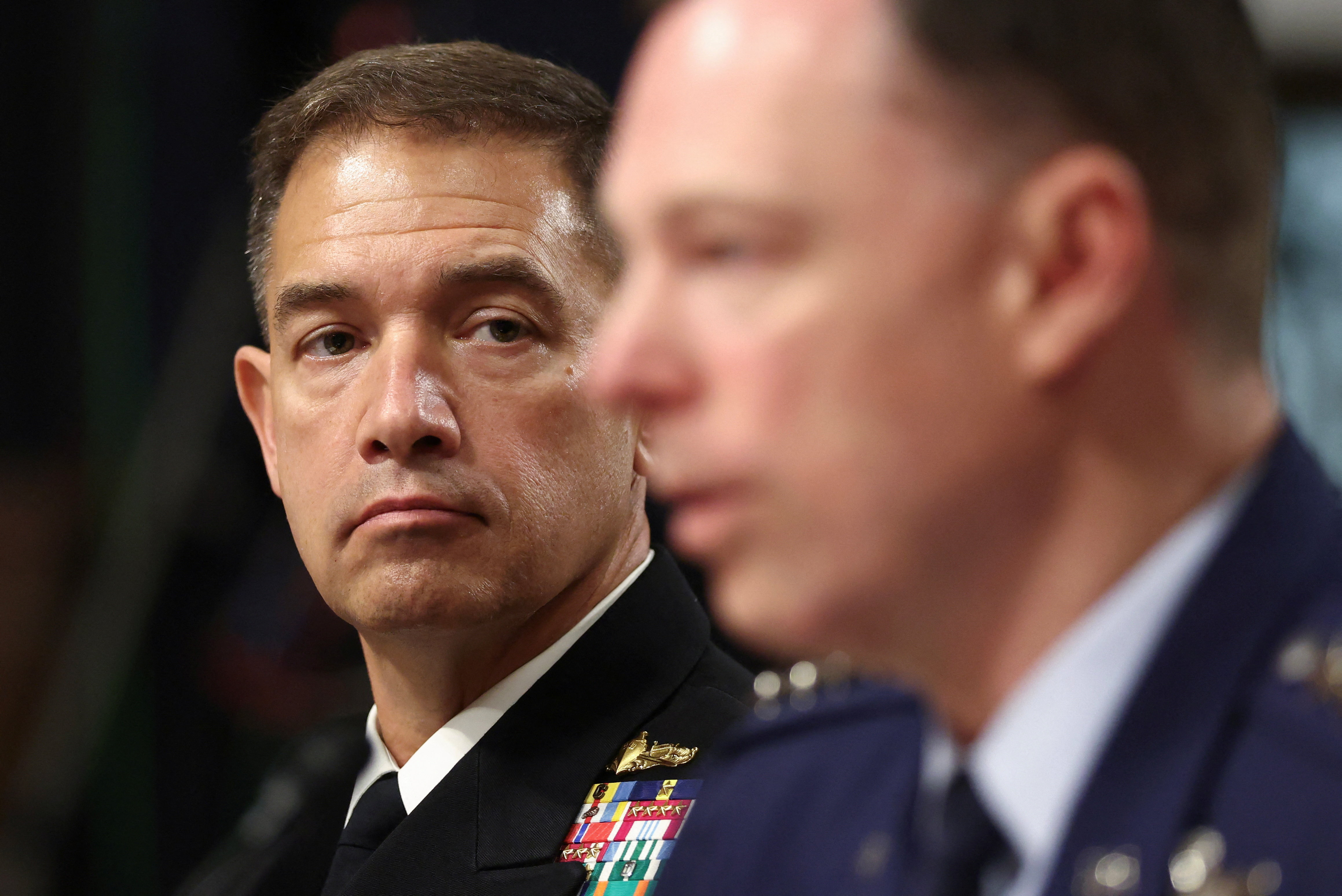
- US-led strikes reduced Iran’s global threat capacity
- Admiral Brad Cooper testified before Senate Armed Services Committee
- Iran still holds limited strike capability against neighbors
WASHINGTON — A 38-day U.S.-led bombing campaign has significantly diminished Iran’s capacity to threaten global security, but the threat has not been erased, the top U.S. military commander in the Middle East told lawmakers Thursday. Adm. Brad Cooper, commander of U.S. Central Command (CENTCOM), testified before the Senate Armed Services Committee that while Iran’s offensive abilities have been degraded, the Islamic Republic retains a “very moderate, if not small, capability” to conduct strikes against regional neighbors.
Cooper emphasized the scale of the challenge posed by Iran’s size and dispersed military infrastructure. “It’s a very large country,” he said, noting that even after sustained airstrikes, pockets of capability remain. The strikes followed a joint U.S.-Israeli attack on Iranian territory, which Iran retaliated against by disrupting shipping in the Strait of Hormuz, a critical chokepoint through which roughly 20% of the world’s oil passes.
Strait of Hormuz stalemate persists
The crisis in the Strait of Hormuz has entered its fifth week with no clear diplomatic resolution in sight. Both Washington and Tehran have rejected proposed off-ramps aimed at de-escalating tensions, leaving the waterway in a state of heightened tension. Commercial shipping has faced delays and rerouting as the standoff continues, raising concerns about energy market stability and global supply chains.
CENTCOM has maintained a persistent naval presence in the region, conducting patrols and monitoring Iranian naval movements. Despite the reduced threat level, Cooper warned that Iran retains the ability to carry out asymmetric attacks, including missile strikes and proxy operations through allied groups in Iraq, Syria, and Yemen.
Regional allies increase defensive posture
U.S. allies in the Gulf Cooperation Council, including Saudi Arabia and the United Arab Emirates, have bolstered their air defenses and maritime security measures in response to the crisis. Several nations have participated in joint naval exercises with the U.S. Fifth Fleet, headquartered in Manama, Bahrain. These steps reflect broader unease across the region over the potential for further escalation.
Cooper did not specify whether additional U.S. strikes were planned but stressed that CENTCOM remains prepared to respond to any Iranian provocations. “We are postured for a range of contingencies,” he said, underscoring the ongoing unpredictability of the situation.
The Biden administration has reiterated its commitment to preventing a broader regional conflict while maintaining pressure on Iran through sanctions and military deterrence. National Security Council spokesperson Adrienne Watson declined to comment on future operations but stated that the U.S. seeks to avoid further destabilization in the Middle East.
Broader implications for global energy markets
The disruption in the Strait of Hormuz has already caused short-term spikes in oil prices and raised concerns about long-term supply security. Analysts warn that a prolonged standoff could further strain already fragile energy markets, particularly in Asia, which relies heavily on Middle Eastern crude. The crisis has also intensified geopolitical maneuvering, with China and Russia positioning themselves as mediators while the U.S. maintains a firm stance against Iranian aggression.
Looking ahead, diplomatic efforts appear stalled, and military posturing continues. The next critical window may come as Iran’s presidential election approaches, potentially influencing Tehran’s willingness to negotiate. Until then, the risk of miscalculation or accidental escalation remains a persistent concern for regional and global stakeholders.
What You Need to Know
- Source: Defense News
- Published: May 14, 2026 at 19:57 UTC
- Category: War
- Topics: #defense · #military · #pentagon · #war · #conflict · #iran
Read the Full Story
This is a curated summary. For the complete article, original data, quotes and full analysis:
All reporting rights belong to the respective author(s) at Defense News. GlobalBR News summarizes publicly available content to help readers discover the most relevant global news.
Curated by GlobalBR News · May 14, 2026
Related Articles
🇧🇷 Resumo em Português
O Irã ainda representa uma ameaça militar significativa, mesmo após a campanha de bombardeios liderada pelos EUA que durou 38 dias, conforme avaliação do chefe do Comando Central Americano (CENTCOM), almirante Brad Cooper. Segundo ele, a ofensiva enfraqueceu a capacidade de projeção global de Teerã, mas não eliminou completamente seu potencial de ação no cenário internacional.
A declaração de Cooper, feita durante audiência no Senado dos Estados Unidos, ganha relevância para o Brasil e os falantes de português ao reforçar a complexidade das tensões no Oriente Médio, região que impacta diretamente o comércio global de energia e a estabilidade geopolítica. Para o Brasil, que mantém relações comerciais estratégicas com o Irã — especialmente no setor de petróleo e gás — e atua em iniciativas de paz na região, o cenário exige atenção redobrada, pois eventuais escaladas podem afetar preços de combustíveis e a segurança de rotas marítimas essenciais. Além disso, a postura iraniana em relação a Israel e aos aliados ocidentais reverbera em discussões diplomáticas no âmbito da ONU e do Mercosul, onde o país sul-americano tem buscado mediar conflitos de forma pacífica.
A situação permanece em impasse, com ambos os lados — Irã e coalizão liderada pelos EUA — mantendo posições rígidas, o que sugere que novos capítulos da crise podem se desenrolar em breve, exigindo vigilância constante da comunidade internacional.
🇪🇸 Resumen en Español
El bombardeo masivo liderado por EE.UU. durante 38 días ha reducido, pero no eliminado, la capacidad de amenaza militar global de Irán, según declaró el jefe del Mando Central estadounidense ante el Senado. La ofensiva, sin precedentes en intensidad y coordinación internacional, buscaba desarticular las redes de influencia iraníes, aunque sus efectos a largo plazo siguen siendo inciertos.
El conflicto refleja la tensión creciente en Oriente Medio, donde Irán ha reforzado su presencia mediante proxies en países como Yemen, Siria o Irak, mientras EE.UU. y sus aliados intentan contener su expansión. Para los hispanohablantes, este escenario evoca recuerdos de crisis pasadas, como la guerra de Irak o el papel de Irán en conflictos como el de Siria, subrayando la fragilidad de la estabilidad regional. La declaración de Cooper sugiere que, pese a los avances, el equilibrio de poder sigue siendo frágil y cualquier escalada podría arrastrar a actores clave en una región ya de por sí volátil.
Defense News
Read full article at Defense News →This post is a curated summary. All rights belong to the original author(s) and Defense News.
Was this article helpful?


Discussion