FBI Director Kash Patel faces backlash after snorkeling near the USS Arizona Memorial, a site of 1,177 Pearl Harbor victims.
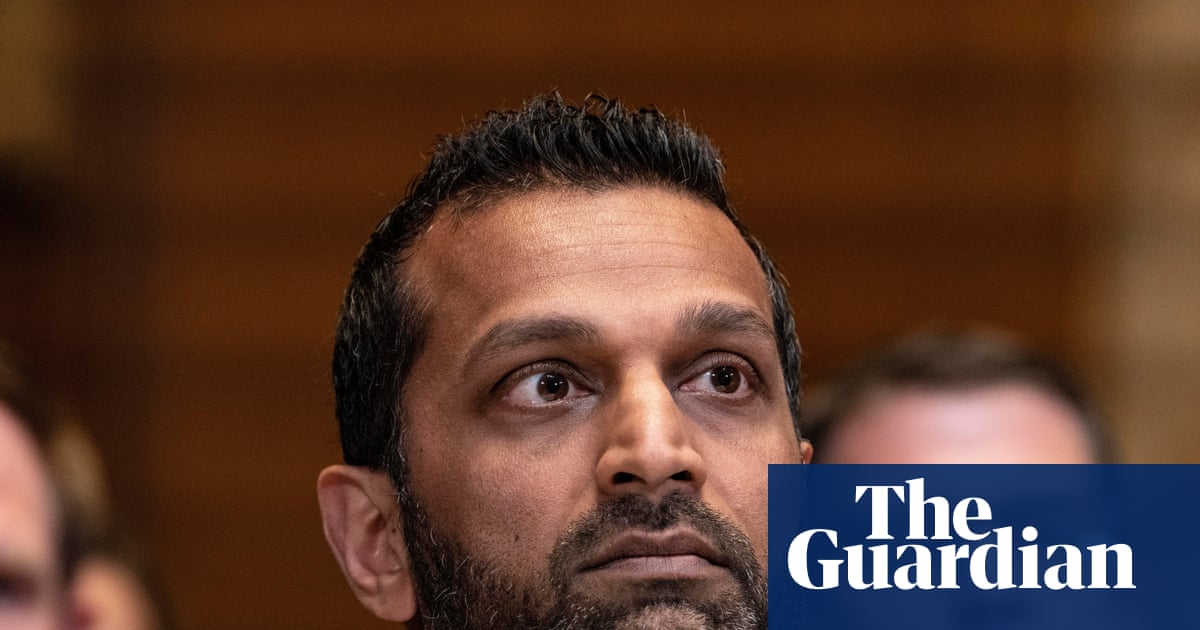
- FBI Director Kash Patel took a snorkeling trip near USS Arizona Memorial
- USS Arizona holds remains of 1,177 Pearl Harbor victims
- Emails describe the outing as a 'VIP snorkel' around the memorial
FBI Director Kash Patel is facing bipartisan scrutiny after reports emerged that he participated in a snorkeling excursion around the USS Arizona Memorial in Hawaii last July. The trip occurred during a visit to Pearl Harbor, where the sunken battleship rests as a war grave, holding the remains of 1,177 U.S. Navy sailors and Marines killed during the 1941 Japanese attack. The outing was detailed in emails obtained by the Associated Press, which described the event as a ‘VIP snorkel’ around the memorial site.
The revelation has ignited debate over the appropriateness of recreational activities at locations tied to mass casualties and national tragedy. The USS Arizona Memorial, administered by the National Park Service, is a solemn resting place for those who perished in the attack that drew the United States into World War II. Critics argue that snorkeling near such a site trivializes its historical significance, while others question whether Patel’s presence violated protocols for visits to war graves.
Patel, a former Trump administration official, was appointed FBI director in June 2024. His participation in the excursion was first reported this week by the Associated Press, which obtained internal government emails through a public records request. The emails indicate that the snorkeling trip was arranged as part of a broader tour of Pearl Harbor, including stops at the USS Bowfin submarine museum and the Pacific Aviation Museum. No details about Patel’s interactions with memorial staff or the public during the visit have been disclosed.
The FBI has not publicly commented on the incident. A spokesperson for the National Park Service, which oversees the memorial, declined to discuss private visitor activities but noted that the site’s policies prohibit disruptive behavior. The USS Arizona Memorial has long been a place of reflection, drawing millions of visitors annually who pay respects to the fallen service members entombed within the sunken ship.
This is not the first time Patel’s actions as FBI director have drawn attention. Since taking office, he has overhauled bureau policies, including changes to internal investigations and personnel practices. The snorkeling controversy adds to a pattern of scrutiny over his leadership style and public conduct. Some lawmakers have already called for transparency regarding the trip, while veterans’ groups have expressed disappointment over the perceived lack of sensitivity.
What remains unclear is whether Patel was aware of the USS Arizona’s status as a war grave during the outing. The memorial’s website explicitly describes the ship as a ‘final resting place’ for its crew, and its protocols discourage activities that could be seen as disrespectful. The incident raises broader questions about how public officials balance personal recreation with the solemnity of historic sites. As of now, no formal investigations or disciplinary actions have been announced, but the backlash suggests the controversy is far from over.
What You Need to Know
- Source: The Guardian
- Published: May 16, 2026 at 15:10 UTC
- Category: World
- Topics: #guardian · #world-news · #international · #kash-patel · #arizona · #hawaii
Read the Full Story
This is a curated summary. For the complete article, original data, quotes and full analysis:
All reporting rights belong to the respective author(s) at The Guardian. GlobalBR News summarizes publicly available content to help readers discover the most relevant global news.
Curated by GlobalBR News · May 16, 2026
Related Articles
- Zimbabwe’s diaspora reshapes real estate and farming investment trends
- 🎉 250 Articles in World!
- Eurovision 2024 faces scrutiny over Israel’s participation amid war
🇧🇷 Resumo em Português
Kash Patel, diretor do FBI, foi flagrado nadando próximo ao Memorial USS Arizona, em Pearl Harbor, desencadeando uma onda de críticas e questionamentos sobre a conduta de autoridades em locais de profundo significado histórico e emocional. A imagem do alto funcionário do governo americano, com equipamento de mergulho, a poucos metros do monumento que homenageia mais de mil vítimas do ataque japonês em 1941, viralizou nas redes sociais e provocou reações contundentes, especialmente entre veteranos e famílias das vítimas. O episódio não apenas reacendeu debates sobre a privacidade e o bom senso de figuras públicas, mas também levantou dúvidas sobre o respeito a símbolos nacionais e aos símbolos da Segunda Guerra Mundial, um tema sensível para os brasileiros, que também compartilham memórias históricas ligadas a conflitos globais.
A repercussão do caso transcende as fronteiras dos Estados Unidos, pois o Brasil, país com forte presença de descendentes de japoneses e uma relação histórica complexa com a imigração e a guerra, tem uma conexão indireta com eventos como o do USS Arizona. Além disso, a discussão sobre o comportamento de líderes em locais de memória coletiva ressoa em um momento em que a sociedade brasileira também debate a preservação de patrimônios históricos, como o Memorial do Holocausto em Curitiba ou os memoriais da ditadura militar. A situação de Patel coloca em xeque não apenas a ética individual, mas também a transparência necessária em cargos de alta responsabilidade, um tema que ganha força em um contexto global de crescente fiscalização sobre as ações de governantes.
A investigação sobre o caso deve prosseguir nos próximos dias, com a expectativa de que sejam esclarecidos os motivos que levaram o diretor do FBI a frequentar uma área restrita com equipamento de mergulho, bem como as eventuais consequências administrativas ou disciplinares.
🇪🇸 Resumen en Español
El director del FBI, Kash Patel, se enfrenta a un creciente escrutinio tras ser visto practicando snorkel cerca del memorial del USS Arizona en Pearl Harbor, donde descansan más de mil víctimas del ataque japonés de 1941.
La polémica surge por la aparente falta de sensibilidad mostrada al realizar una actividad recreativa en un lugar de profundo simbolismo histórico y emocional para los veteranos de guerra y las familias de las víctimas. Este incidente podría empañar aún más la ya cuestionada reputación de Patel, vinculada a su gestión polarizante al frente del organismo de seguridad estadounidense, y reaviva el debate sobre el respeto debido a los espacios de memoria colectiva. Para los hispanohablantes, el episodio sirve como recordatorio de la importancia de honrar la historia con discreción, especialmente cuando se ocupa un cargo público.
The Guardian
Read full article at The Guardian →This post is a curated summary. All rights belong to the original author(s) and The Guardian.
Was this article helpful?


Discussion