Russian volunteer groups filled military supply gaps early in the Ukraine war but collapsed under logistical and financial strain.
- Volunteer groups scrambled to supply troops when Russian military logistics failed in 2022
- Frontline soldiers requested boots, radios, and cigarettes via volunteer networks
- Supply chains relied on donations and crowdfunding with no central oversight
In the chaotic first weeks of Russia’s full-scale invasion of Ukraine, a volunteer network emerged to plug critical gaps left by the Russian military’s failing logistics. Organizations like KatyaValya, a grassroots group, became lifelines for troops in occupied territories after standard supply chains broke down. Requests for combat boots, sleeping bags, and even cigarettes revealed just how unprepared Russia’s military was for prolonged warfare. But what started as a desperate stopgap measure soon exposed deeper flaws in the system, leading to its rapid decline within months.
The Birth of Russia’s Volunteer War Machine
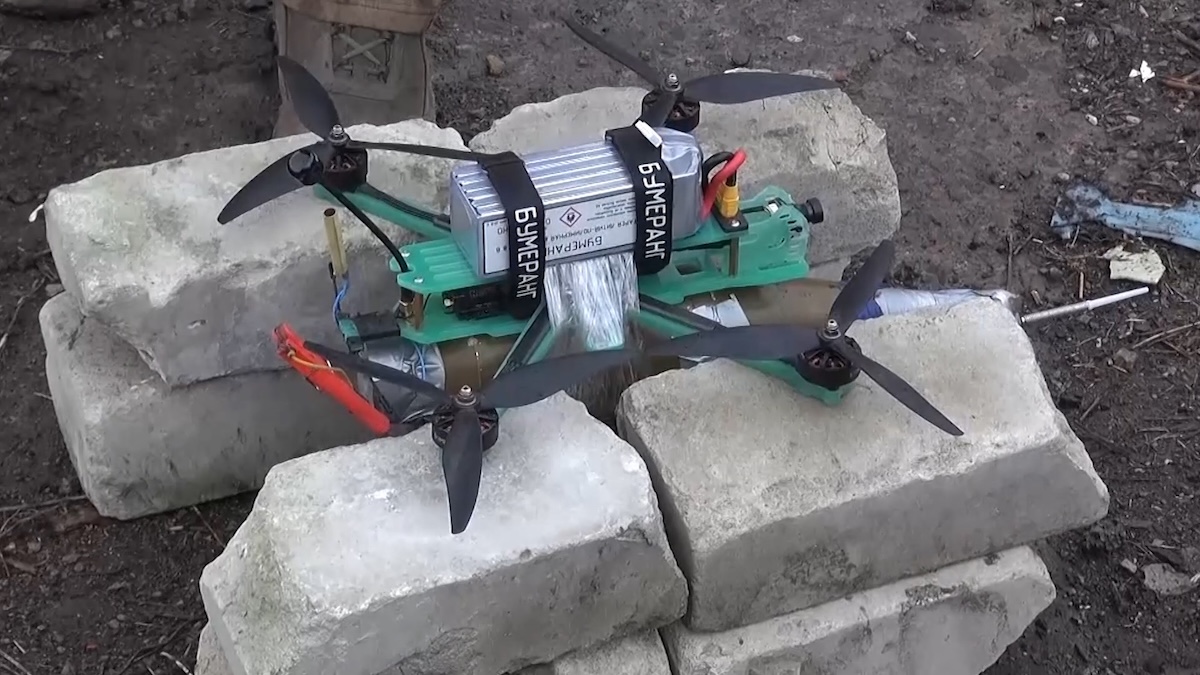
By March 2022, Russia’s military was struggling to equip and supply its forces. Ammunition shortages, broken radios, and a lack of basic gear forced soldiers to turn to civilian volunteers. In Russian-held parts of Donetsk, soldiers reported radio failures and communication blackouts, leaving families and units disconnected. The volunteer response was immediate. Groups like KatyaValya mobilized networks of donors, including ordinary Russians, to collect funds and supplies. Social media became the battlefield’s supply hub, with volunteers coordinating shipments from warehouses to frontline units.
The effort was not centralized. There was no single command structure, no formal budget, and no clear accountability. Instead, it relied on the goodwill of strangers, corporate donations, and crowdfunding campaigns. Some volunteers moved quickly, shipping parcels within days of receiving requests. Others, like the husband of a KatyaValya member, vanished from communications before reappearing weeks later, begging for gear. The ad hoc system worked—for a while.
The Cracks Begin to Show
By mid-2022, the cracks in Russia’s volunteer supply network were impossible to ignore. Corruption surfaced early. Reports emerged of funds disappearing into private accounts, with donors claiming their money bought supplies that never reached troops. Volunteer groups, initially praised as patriotic heroes, faced scrutiny over mismanagement. Some were accused of prioritizing media-friendly deliveries over critical needs, while others simply ran out of money as donations dwindled. The war’s prolonged stalemate turned public sympathy into fatigue.
Logistical hurdles also doomed the effort. Deliveries to frontline zones required navigating checkpoints, bribes, and the ever-present risk of Ukrainian artillery fire. Many volunteer shipments were lost, stolen, or misdirected. In some cases, supplies arrived in poor condition—boots fell apart after a single use, sleeping bags leaked, and radios lacked usable batteries. Troops grew skeptical. If volunteers couldn’t guarantee reliable gear, why trust them over the military’s own supply chains?
The Collapse Accelerates
By late 2022, the volunteer system was unraveling. High-profile scandals, including embezzlement allegations against prominent organizers, eroded public trust. Donations plummeted as war weariness set in. Soldiers, once grateful for any help, began refusing volunteer-supplied gear, demanding instead equipment from official military stores. The Russian Defense Ministry, initially supportive of the volunteer effort, started reclaiming control. By early 2023, the Kremlin had sidelined most grassroots networks, redirecting supplies through state channels.
The collapse left a trail of unmet needs. Some units reverted to scavenging or relying on captured Ukrainian equipment. Others turned to black-market dealers, paying inflated prices for gear that should have been standard issue. The volunteer era, which had briefly filled a critical void, became a cautionary tale of what happens when a modern military outsources logistics to civilians in wartime.
The broader implications are stark. Russia’s experience shows the limits of volunteer-driven militaries, even in a digital age. Without transparent funding, professional oversight, and sustainable logistics, such efforts are doomed to fail. It also highlights the Russian military’s pre-war weaknesses, where institutional neglect forced civilians to step into roles the state should have filled. Today, the volunteer networks that once dominated headlines are shadows of their former selves, their legacy a mix of good intentions and systemic failure.
What You Need to Know
- Source: War on the Rocks
- Published: April 28, 2026 at 07:15 UTC
- Category: War
- Topics: #defense · #military · #geopolitics · #war · #conflict · #fall
Read the Full Story
This is a curated summary. For the complete article, original data, quotes and full analysis:
All reporting rights belong to the respective author(s) at War on the Rocks. GlobalBR News summarizes publicly available content to help readers discover the most relevant global news.
Curated by GlobalBR News · April 28, 2026
Related Articles
- Wembanyama’s Spurs reach Western finals, Pistons stay alive in NBA playoffs
- 🎉 250 Articles in War!
- 🎉 100 Articles in War!
🇧🇷 Resumo em Português
O sonho de uma resistência popular russa, alimentado por doações civis e produção caseira de armas, ruiu diante da dura realidade da guerra na Ucrânia. O que começou como uma enxurrada de iniciativas voluntárias para suprir as lacunas do Exército russo em 2022 transformou-se em um fracasso logístico e organizacional, expondo as fragilidades de um sistema que não resistiu ao peso da máquina de guerra ucraniana.
No Brasil, onde a sociedade civil muitas vezes se mobiliza em causas humanitárias ou políticas, o colapso desse modelo russo serve como um alerta sobre os limites da autossuficiência bélica sem estrutura estatal. A experiência russa revelou que, sem coordenação centralizada, voluntários e pequenas oficinas não conseguem sustentar cadeias de suprimentos complexas, especialmente em um conflito prolongado. Para o Brasil, que já enfrentou desafios semelhantes em operações de paz e assistência humanitária, a lição é clara: a guerra moderna exige mais do que boa vontade — exige logística, tecnologia e planejamento profissional.
Agora, enquanto Moscou tenta reorganizar suas forças com métodos mais convencionais, resta saber se a Ucrânia, que também depende de doações internacionais, conseguirá manter seu ritmo de resistência sem esbarrar nos mesmos problemas de escala e eficiência.
🇪🇸 Resumen en Español
El sistema de apoyo militar autogestionado por voluntarios en Rusia, que en 2022 surgió como un pilar para paliar las carencias de la industria bélica estatal, ha colapsado por fallos estructurales en sus cadenas de suministro y una organización deficiente, revelando las grietas de un modelo improvisado ante la guerra en Ucrania.
Este fracaso no solo expone la falta de coordinación entre el Kremlin y los grupos civiles que surgieron para donar equipos, sino que también refleja el agotamiento de recursos en un conflicto que ya supera los dos años. Para los hispanohablantes, especialmente en países con economías dependientes de materias primas o con intereses geopolíticos en la región, el colapso ruso subraya los riesgos de una guerra prolongada: la movilización de recursos civiles no sustituye la capacidad industrial estatal, y su fracaso puede acelerar dinámicas de militarización forzosa o crisis internas en Moscú.
War on the Rocks
Read full article at War on the Rocks →This post is a curated summary. All rights belong to the original author(s) and War on the Rocks.
Was this article helpful?



Discussion