Marketing firm admits using TikTok bots to fake popularity for indie bands like Geese and Sombr.
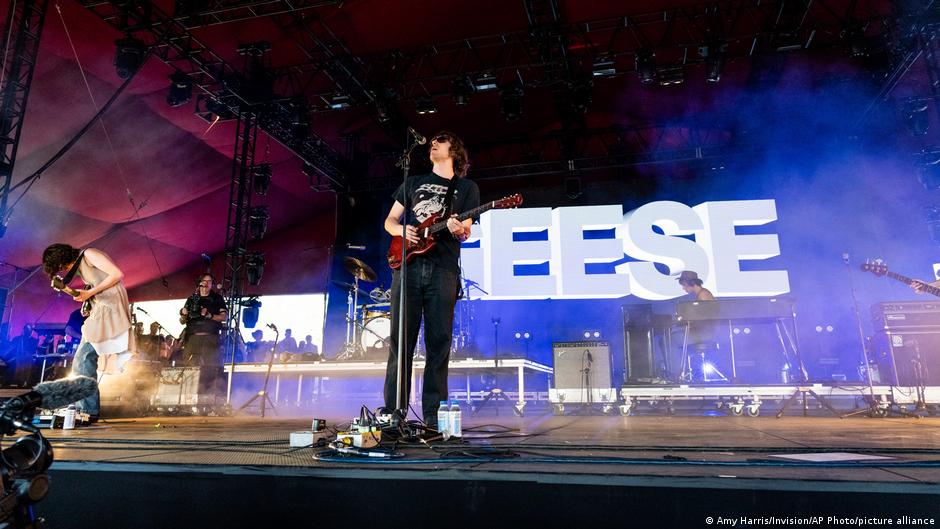
- Marketing firm admits faking TikTok trends for indie bands
- Geese and Sombr's chart success allegedly boosted by bots
- Fans question authenticity of viral music growth
Indie bands Geese and Sombr face accusations of artificially inflating their chart positions through TikTok bot campaigns run by their marketing agency, Chaotic Good Projects. The revelation, disclosed in a Billboard interview with agency heads Andrew Spelman and Jesse Coren, has triggered widespread criticism from fans who believed these artists achieved success through organic growth.
Marketing firm admits orchestrating TikTok trends
Chaotic Good Projects openly described its strategy as simulating trends by posting from multiple accounts to create the illusion of viral popularity. The firm represents several indie acts, including Geese, Sombr, Jane Remover and Mk.gee, whose rapid ascents on streaming charts have been questioned by followers. The admission contradicts the indie music ethos of authenticity, where artists are presumed to succeed based on merit rather than fabricated engagement.
Music industry observers note that chart manipulation is not new, but TikTok’s influence has amplified its reach. Bots and fake accounts can generate millions of views overnight, tricking algorithms into promoting songs to real users. Critics argue this practice distorts the fairness of streaming platforms, where visibility often determines commercial success. Independent artists without label backing rely on organic discovery, making fabricated trends particularly damaging to fair competition.
Fans react to perceived betrayal
Social media platforms erupted with accusations of deception after the Billboard interview surfaced. Many fans, who pride themselves on supporting “authentic” indie artists, felt misled. The backlash forced some musicians to address the controversy publicly, though most have avoided direct responses. Industry insiders suggest the practice may be widespread, with smaller agencies using similar tactics to secure placements on playlists and charts.
Ethical concerns in music promotion
The debate extends beyond indie circles, raising questions about the broader music industry’s reliance on fabricated metrics. Streaming services like Spotify and Apple Music prioritize songs with high engagement, creating incentives for manipulation. While platforms have implemented fraud detection, critics say loopholes remain, allowing agencies to exploit system vulnerabilities. Some analysts predict stricter regulations, but enforcement remains inconsistent.
Artists caught in the crossfire face reputational damage. The indie genre, historically associated with grassroots support, now struggles to distinguish genuine talent from algorithmically boosted acts. Fans increasingly demand transparency, while agencies defend their methods as necessary in an oversaturated market. The controversy underscores the tension between commercial success and artistic integrity in modern music.
What happens next?
The fallout from the TikTok bot revelations could reshape how indie artists promote their work. Streaming platforms may tighten fraud detection, while fans could shift toward supporting artists who refuse artificial growth tactics. Agencies like Chaotic Good Projects may face legal scrutiny, though no lawsuits have been filed yet. For now, the indie music scene grapples with the erosion of trust in an era where virality often trumps authenticity.
What You Need to Know
- Source: Deutsche Welle
- Published: May 13, 2026 at 12:06 UTC
- Category: World
- Topics: #europe · #world-news · #fake-tik · #sombr · #geese
Read the Full Story
This is a curated summary. For the complete article, original data, quotes and full analysis:
All reporting rights belong to the respective author(s) at Deutsche Welle. GlobalBR News summarizes publicly available content to help readers discover the most relevant global news.
Curated by GlobalBR News · May 13, 2026
Related Articles
- Zimbabwe’s diaspora reshapes real estate and farming investment trends
- 🎉 250 Articles in World!
- Eurovision 2024 faces scrutiny over Israel’s participation amid war
🇧🇷 Resumo em Português
O sucesso de bandas indie no exterior, como Geese e Sombr, ganhou contornos duvidosos após a revelação de que uma empresa de marketing utilizou bots no TikTok para inflar artificialmente seus números e posições nas paradas musicais. A prática, que já foi comum no mercado internacional, expõe uma crise de credibilidade no cenário musical global, onde a autenticidade dos streams e engajamentos virou moeda de troca para artistas que buscam visibilidade rápida.
No Brasil, onde o uso de estratégias similares já foi alvo de polêmicas — como no caso de playlists manipuladas em plataformas de streaming —, a fraude reforça a necessidade de fiscalização mais rígida por parte das gravadoras e das próprias redes sociais. Para o público brasileiro, que consome música internacional em larga escala, a notícia serve como alerta sobre os mecanismos ocultos por trás do sucesso comercial de artistas estrangeiros. Além disso, levanta debates sobre como o mercado musical pode combater a manipulação de dados sem sufocar a inovação promovida por artistas independentes.
A polêmica deve intensificar a pressão sobre as plataformas digitais para que implementem ferramentas mais transparentes de monitoramento, ao mesmo tempo em que artistas e fãs passam a questionar até que ponto os números refletem talento real ou artifícios de marketing.
🇪🇸 Resumen en Español
Las redes sociales se han convertido en un campo de batalla donde el éxito musical ya no siempre refleja el talento, sino también estrategias cuestionables. Tras admitir su participación en el escándalo, una firma de marketing reconoció haber utilizado bots en TikTok para inflar las posiciones en listas de éxitos, beneficiando a grupos indie como Geese y Sombr, que ahora enfrentan un fuerte rechazo.
El caso no solo expone una práctica extendida en la industria, donde el engagement artificial distorsiona la popularidad real, sino que también cuestiona la credibilidad de las plataformas digitales. Para el público hispanohablante, este episodio subraya la necesidad de consumir contenido con mayor escepticismo, especialmente en un mercado donde las tendencias virales pueden estar manipuladas. Además, refleja cómo el algoritmo de redes como TikTok prioriza interacciones sobre autenticidad, dejando en entredicho el valor de lo que realmente triunfa.
Deutsche Welle
Read full article at Deutsche Welle →This post is a curated summary. All rights belong to the original author(s) and Deutsche Welle.
Was this article helpful?



Discussion