Watchdog warns underfunding risks undermining Australia’s financial accountability systems.
- Labor accused of failing to fund ANAO adequately
- Watchdog says financial position is ‘serious concern’
- Critics warn oversight capacity is at risk
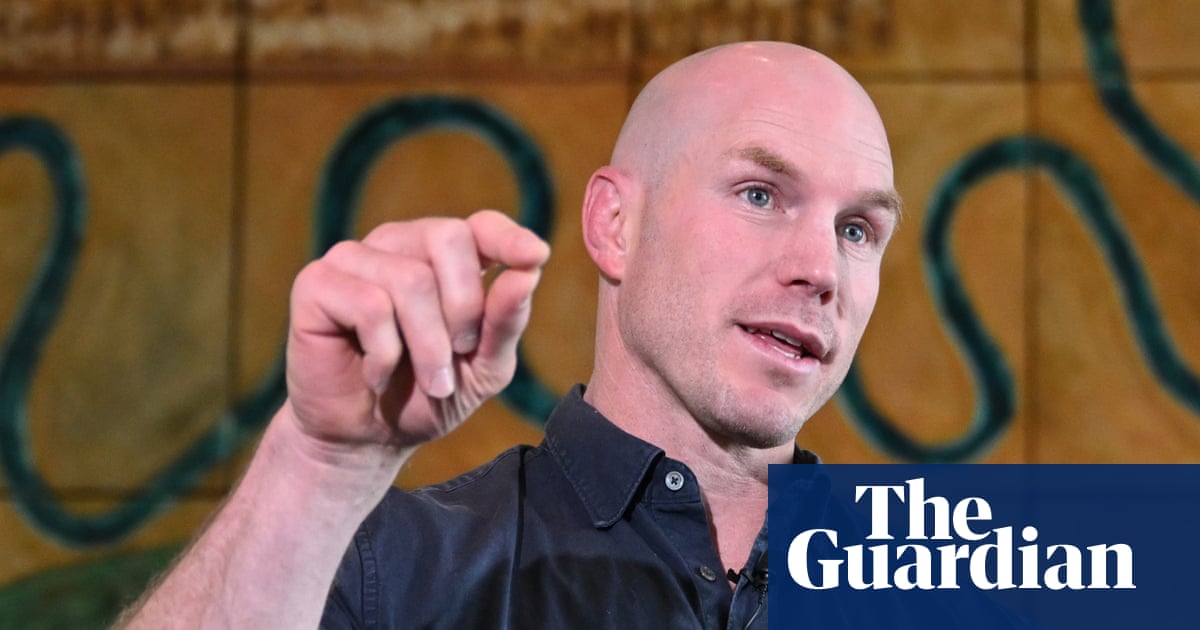
Labor has come under fire for failing to allocate sufficient funding to the Australian National Audit Office (ANAO) Australian National Audit Office, one of the country’s key accountability institutions. Transparency advocates and independent senator David Pocock David Pocock have criticized the Albanese government’s budget commitments, arguing the lack of resources threatens the ANAO’s ability to conduct independent reviews effectively.
Audit Office warns of unsustainable financial position
The criticism follows repeated warnings from Parliament’s Joint Committee of Public Accounts and Audit Joint Committee of Public Accounts and Audit that the ANAO’s financial situation is unsustainable. Even as the number of government agencies under scrutiny grows, the watchdog’s budget has not kept pace, raising concerns about its capacity to meet oversight targets.
The ANAO, which audits federal government spending, has long been regarded as a cornerstone of Australia’s financial accountability framework. However, its ability to function effectively is now in jeopardy due to chronic underfunding. The 2024 budget provided only minimal increases, leaving critics to question whether the government is prioritizing transparency or political convenience.
Opposition and advocates demand urgent action
Independent senator David Pocock has been a vocal critic of the government’s approach, arguing that a watchdog without resources cannot fulfill its mandate. “A watchdog without resources is not a watchdog,” Pocock stated, emphasizing the need for immediate funding increases to ensure the ANAO can operate independently and thoroughly.
Transparency advocates, including the Australia Institute Australia Institute and the Centre for Public Integrity Centre for Public Integrity, have also condemned the budget’s allocation. They point out that the ANAO’s workload has expanded significantly in recent years, with more agencies and programs requiring oversight, yet its funding has not adjusted accordingly.
Broader implications for government accountability
The underfunding of the ANAO raises broader questions about the government’s commitment to transparency and accountability. Without a well-resourced audit office, the risk of financial mismanagement and inefficiency in public administration increases. Critics argue that the consequences could extend beyond audits, eroding public trust in government institutions.
The Joint Committee of Public Accounts and Audit has previously called for urgent action, describing the ANAO’s financial position as a “serious concern.” Despite these warnings, the 2024 budget did little to address the issue, leaving the watchdog in a precarious position as it faces growing demands for oversight.
What happens next?
The government has not indicated whether it will revisit its funding decisions for the ANAO. However, opposition figures and transparency advocates are likely to continue pressing for increased allocations to ensure the watchdog can meet its obligations. The ANAO’s ability to function effectively will depend on whether the government takes heed of the warnings and acts swiftly to secure its future.
What You Need to Know
- Source: The Guardian
- Published: May 16, 2026 at 00:00 UTC
- Category: World
- Topics: #guardian · #world-news · #international · #war · #conflict · #labor
Read the Full Story
This is a curated summary. For the complete article, original data, quotes and full analysis:
All reporting rights belong to the respective author(s) at The Guardian. GlobalBR News summarizes publicly available content to help readers discover the most relevant global news.
Curated by GlobalBR News · May 16, 2026
Related Articles
- Eurovision 2024 faces scrutiny over Israel’s participation amid war
- US proposes 40% cut in Colorado River water for 3 states amid drought
- US charges man with plotting Iran-directed attacks on Jews in London and New York
🇧🇷 Resumo em Português
A Austrália mergulha em uma crise silenciosa, mas perigosa: a falta de recursos para o órgão que deveria fiscalizar os gastos públicos está colocando em xeque a transparência e a confiança no governo. Enquanto o Partido Trabalhista australiano enfrenta críticas por não destinar verbas suficientes à ANAO (Escritório Nacional de Auditoria da Austrália), especialistas alertam que auditorias independentes — essenciais para combater desperdícios e corrupção — podem ser severamente comprometidas, abrindo espaço para irregularidades.
O problema transcende fronteiras: no Brasil, onde a transparência nos gastos públicos também é um tema recorrente — especialmente diante de escândalos como o orçamento secreto e desvios em obras públicas —, a situação australiana serve de alerta. A ANAO é referência global em auditorias governamentais, e seu enfraquecimento poderia inspirar outros países a reduzirem seus órgãos de controle, enfraquecendo a fiscalização justamente quando mais se necessita de accountability. Além disso, a notícia chega em um momento em que o Brasil debate reformas administrativas e o papel do Estado, reacendendo o debate sobre como garantir recursos suficientes para instituições que zelam pelo dinheiro do contribuinte.
A próxima batalha política na Austrália deve envolver pressão por mais investimentos na ANAO, enquanto no Brasil o caso reforça a urgência de fortalecer a Controladoria-Geral da União (CGU) e o Tribunal de Contas da União (TCU), evitando que a falta de recursos transforme a fiscalização em letra morta.
🇪🇸 Resumen en Español
El gobierno laborista australiano enfrenta duras críticas por recortar los fondos al máximo órgano de control público, la Oficina Nacional de Auditoría (ANAO), lo que amenaza su capacidad para realizar revisiones independientes y transparentes.
La polémica surge en un momento clave, cuando la transparencia en el gasto público es más necesaria que nunca, especialmente en un país que ha registrado escándalos por malversación de fondos y opacidad en contratos millonarios. Los recortes al ANAO, que supervisa desde programas sociales hasta contratos de defensa, podrían debilitar la rendición de cuentas y afectar directamente a los contribuyentes hispanohablantes en Australia, muchos de ellos migrantes que dependen de servicios públicos eficientes. La medida también genera dudas sobre el compromiso del gobierno con la lucha contra la corrupción, un tema sensible para comunidades latinoamericanas acostumbradas a sistemas con altos índices de impunidad.
The Guardian
Read full article at The Guardian →This post is a curated summary. All rights belong to the original author(s) and The Guardian.
Was this article helpful?

Discussion