Nandy dismisses Streeting’s EU re-entry call as odd, saying Brexit was settled 10 years ago.
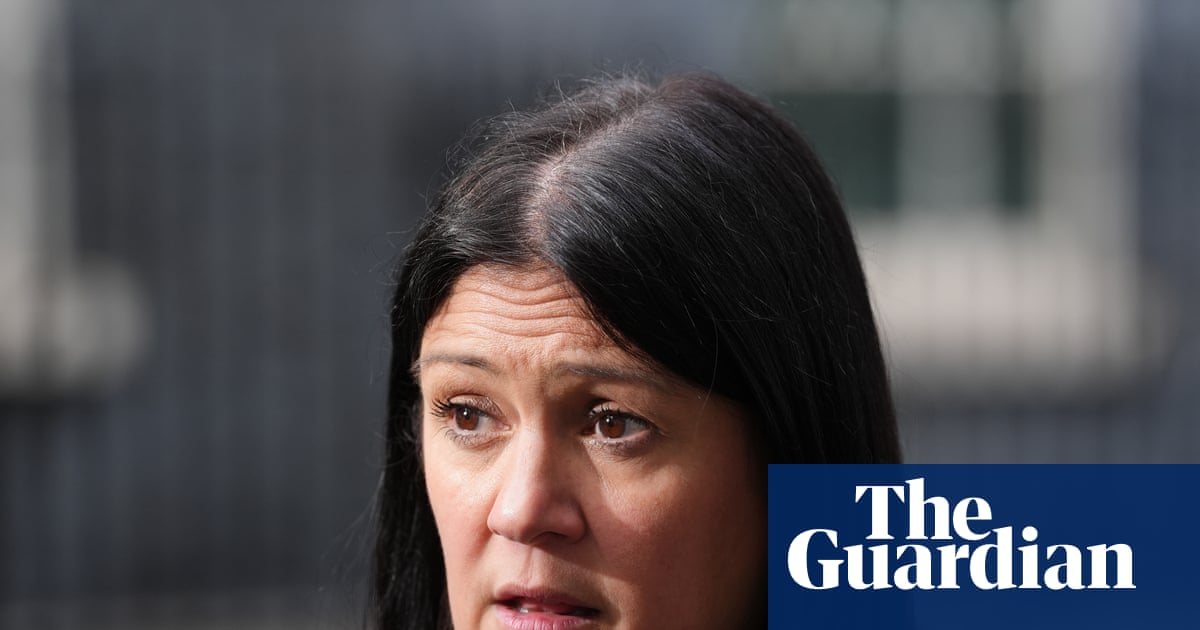
- Nandy called Streeting’s EU re-entry call 'odd' in BBC interview
- Streeting said Britain’s future lies back in the EU after Brexit
- Nandy argued Brexit vote settled the debate a decade ago
Lisa Nandy, the UK’s culture secretary, has publicly dismissed Wes Streeting’s weekend call for Britain to rejoin the European Union, calling the timing and focus of his remarks ‘odd.’ The former health secretary under Keir Starmer’s government suggested on Saturday that the country’s future lies back in the EU, reigniting a debate many thought was settled after the 2016 Brexit referendum and its 2020 departure from the bloc. Nandy made the comment during a BBC interview on Sunday, framing Streeting’s remarks as a distraction from pressing domestic issues like public services and economic growth. ‘It’s odd to see this sudden focus on Europe when we’ve got real problems to solve here,’ she told the BBC’s Andrew Marr Show. ‘The referendum was eight years ago. The decision was made. We left. That’s settled.’
Streeting, a Labour leadership hopeful, didn’t back down. In a post on X (formerly Twitter) on Sunday, he doubled down, writing: ‘The future doesn’t lie in turning our backs on our neighbours. It lies in working together as part of the biggest single market on our doorstep.’ His stance puts him at odds not just with Nandy but with Starmer’s official line, which has avoided pushing for EU re-entry while still seeking closer ties on trade and security. Labour’s shadow cabinet has been divided on Europe for years, with some MPs arguing the party needs to offer a clear vision for Britain’s future outside the bloc. Streeting’s comments risk reopening those internal splits just as the party gears up for the next general election.
Why Streeting’s call matters now
The timing of Streeting’s remarks isn’t random. Labour is in the middle of a leadership contest to replace Starmer if he loses the next election, and candidates are jockeying for position. Streeting, a rising star in the party, has positioned himself as a modernizer willing to challenge orthodoxies—even ones set by his own leader. His call for EU re-entry isn’t just about policy; it’s a signal to voters that Labour isn’t afraid to revisit old debates if it means winning back support from younger and urban voters who overwhelmingly backed Remain in 2016. Polls consistently show that younger voters, in particular, want closer ties with Europe, even if most voters overall still support Brexit.
But Nandy isn’t the only one pushing back. Other senior Labour figures have also distanced themselves from Streeting’s position. Shadow Chancellor Rachel Reeves has repeatedly said Labour won’t rejoin the EU or the single market while in government, focusing instead on practical steps like improving trade deals and reducing barriers for businesses. Even Starmer himself has tread carefully, saying Labour would ‘work with our European partners’ but not commit to rejoining. The risk for Streeting is that his comments could alienate voters in Labour’s traditional heartlands—many of whom supported Brexit and view calls to rejoin as out of touch with working-class concerns.
The Brexit debate isn’t really dead—it’s just quieter
Ten years after the 2014 referendum, Brexit isn’t the all-consuming issue it once was. The UK officially left the EU in January 2020, and the bulk of trade and regulatory changes were implemented by 2023. Yet the debate never fully disappeared. Small but vocal groups on both sides still push for closer ties or full re-entry, while businesses and farmers complain about the practical costs of leaving, from customs delays to shortages of workers. Streeting’s comments aren’t just theoretical—they reflect real frustrations. For example, the UK’s trade with the EU dropped by 15% in the first two years after Brexit, according to the Office for National Statistics. Sectors like fishing and food manufacturing have struggled with new paperwork and tariffs, while cities like London still rely on EU workers for everything from healthcare to hospitality.
The EU, for its part, has shown little appetite for reopening accession talks. Ursula von der Leyen, the European Commission president, has repeatedly said the bloc is focused on deepening ties with existing members rather than expanding. ‘The EU isn’t waiting for the UK to come knocking,’ a senior EU diplomat told reporters last month. ‘We’ve moved on.’ That doesn’t mean cooperation isn’t happening—just that it’s happening on Brussels’ terms, not London’s. Recent deals like the Windsor Framework, which smoothed trade across Northern Ireland, show that some progress is possible, but they’re incremental, not a full reversal of Brexit.
What happens next isn’t clear. Streeting’s leadership campaign will likely keep the EU debate alive for now, but Labour’s official position remains unchanged. For Nandy and others, the priority is winning the next election, and they’re wary of reviving a fight that could split the party and scare off swing voters. Meanwhile, the Conservatives, who led the Brexit campaign, are in no rush to revisit the topic either. Rishi Sunak’s government has focused on making the best of Brexit rather than undoing it, though some Tory MPs grumble about the economic drag. The UK is stuck in a holding pattern—neither fully embracing its post-Brexit identity nor actively trying to reverse course. Streeting’s call might have changed that, at least temporarily.
What You Need to Know
- Source: The Guardian
- Published: May 17, 2026 at 10:51 UTC
- Category: Politics
- Topics: #guardian · #politics · #culture · #streeting · #lisa-nandy
Read the Full Story
This is a curated summary. For the complete article, original data, quotes and full analysis:
All reporting rights belong to the respective author(s) at The Guardian. GlobalBR News summarizes publicly available content to help readers discover the most relevant global news.
Curated by GlobalBR News · May 17, 2026
Related Articles
🇧🇷 Resumo em Português
A menos de dois anos das eleições britânicas, a polêmica sobre o Brexit volta a esquentar no Reino Unido, com o líder trabalhista Wes Streeting causando alvoroço ao defender a volta do país à União Europeia. Em meio a um debate interno acirrado, a secretária britânica de Cultura, Lisa Nandy, classificou a proposta de “estranha”, jogando mais lenha na fogueira sobre os rumos da política externa britânica e o futuro das relações comerciais.
A discussão ganha relevância no Brasil não apenas pela importância geopolítica da UE, mas porque o tema do Brexit ainda reverbera em acordos comerciais e em como países como o nosso negociam parcerias com blocos econômicos. Para o eleitorado brasileiro, que acompanha de perto as oscilações do comércio global, o debate interno britânico levanta questões sobre estabilidade econômica e soberania, conceitos que tocam diretamente em discussões como a do Mercosul e da ALCA. Além disso, a postura de Streeting reflete uma divisão crescente entre os próprios britânicos sobre os custos da saída da UE e os benefícios de um retorno — um tema que pode inspirar reflexões sobre integração regional também aqui.
Enquanto a liderança trabalhista britânica se divide, a próxima batalha será travar dentro do Partido Trabalhista, que precisa definir se abraça a ideia de reingresso no bloco ou mantém a cautela imposta desde o referendo de 2016.
🇪🇸 Resumen en Español
Tras el revuelo generado por las declaraciones del exministro de Sanidad Wes Streeting a favor de la reincorporación del Reino Unido a la Unión Europea, la secretaria de Cultura, Lisa Nandy, las tachó de “extrañas” en una clara muestra de las tensiones internas en el laborismo sobre el futuro de la relación con Bruselas. La polémica surge justo cuando el partido trata de perfilar su postura oficial sobre el Brexit, un tema que sigue dividiendo a la sociedad británica años después de la salida formal.
Más allá de la anécdota política, el debate refleja la creciente división en la izquierda europea sobre cómo abordar el proceso de integración, especialmente en un contexto de crisis económica y tensiones geopolíticas. Para los hispanohablantes, este episodio recuerda a los desafíos que enfrentan otros gobiernos europeos al intentar reconciliar soberanía nacional con cooperación supranacional, un dilema que resuena en un continente donde el euroescepticismo aún persiste en varios países.
The Guardian
Read full article at The Guardian →This post is a curated summary. All rights belong to the original author(s) and The Guardian.
Was this article helpful?


Discussion