Install this washing machine filter to block microplastics from entering waterways during every load.
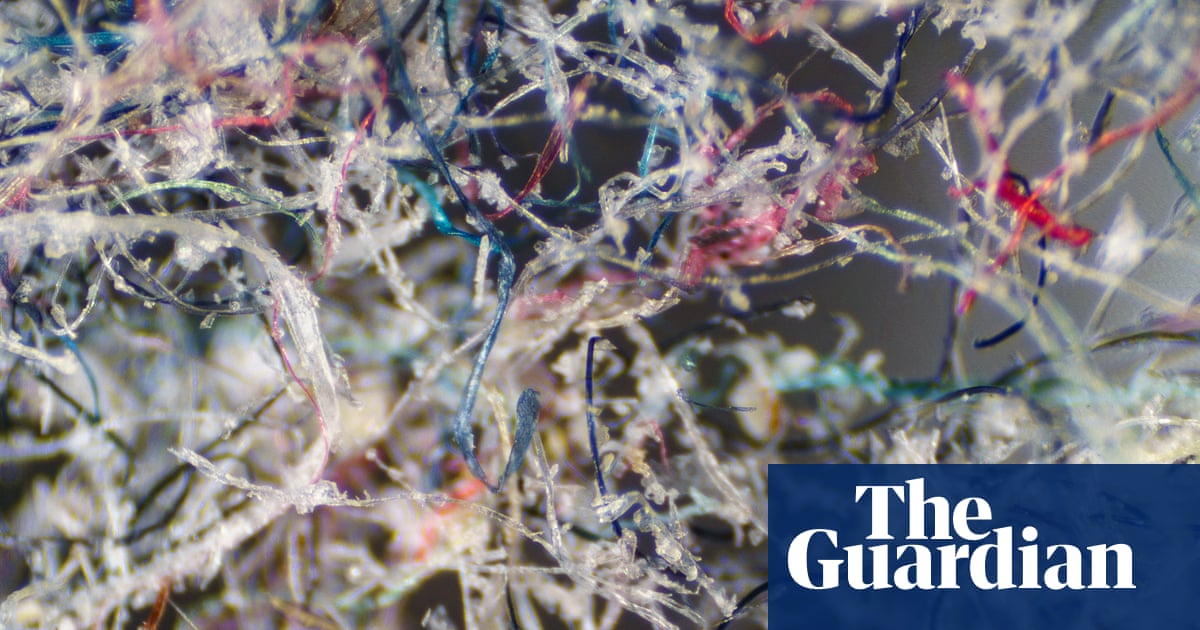
- Filter traps microfibers before they enter wastewater from washing machines
- Users report collecting ‘dinner-platefuls’ of material per wash
- Device works at home and can scale for industrial use
A washing machine in a quiet London home hums softly after each wash, but this sound signals more than clean clothes. It signals the quiet operation of a microplastics filter designed by Adam Root, founder of Matter Industries. Root’s invention, a small box installed above the machine, connects via a pipe to the wastewater line. After each cycle, the device whirs to life, trapping fibers that would otherwise flow into drains and waterways.
Root says the problem starts in every household wash. A single load of synthetic clothing can release up to 900,000 microfibers, according to research cited by his company. These tiny plastic strands slip through most washing machines and wastewater treatment plants, ending up in rivers, oceans, and even drinking water. Root’s filter captures them before they leave the home. Customers who installed early versions sent photos of collected material that filled dinner plates, he said.
The technology targets microfibers shed from polyester, nylon, and other synthetic fabrics. These fibers are a major source of microplastic pollution, making up roughly 35% of primary microplastics in oceans. Root’s filter uses a fine mesh to trap fibers as small as 50 microns. The trapped material is then removed and can be disposed of responsibly. Matter Industries offers versions for home use and larger industrial filters for commercial laundries and textile manufacturers.
How the filter fits into daily life
Installing the filter takes less than an hour for most homeowners. The unit mounts above the machine and connects to the existing wastewater pipe. No modification to the washing machine is needed. After each wash, the filter automatically rinses the trapped fibers into a collection bag or container. Users empty the container monthly, similar to cleaning a lint trap.
Early adopters include environmental groups and households concerned about plastic pollution. One London family reported collecting over two liters of fibers from 15 washes—about the volume of a large soda bottle. Root says the filter removes more than 90% of microfibers from wastewater in lab tests. Independent studies are ongoing to confirm real-world performance.
The business of cleaning laundry water
Matter Industries launched in 2020 and has since installed hundreds of filters in homes across the UK and Europe. The company sells home units for around £200 and industrial versions for thousands. Root, a former textile engineer, began developing the technology after years in the fashion industry. He saw firsthand how synthetic fabrics contributed to pollution and wanted a practical fix.
The market for microplastic solutions is growing. The EU recently proposed stricter limits on microplastics in wastewater. Meanwhile, California passed a law requiring washing machines sold in the state to include microfiber filters by 2029. Matter Industries is positioning itself as a leading provider for both consumer and industrial needs.
Challenges and the road ahead
Despite promising results, challenges remain. The cost of home units puts them out of reach for many low-income families. Industrial filters require regular maintenance and filter replacements, adding to operational costs. Critics argue that filters alone won’t solve plastic pollution—they must be part of broader changes in fabric production and wastewater treatment.
Root agrees that filters are a stopgap, not a final solution. But he says they offer immediate relief where plastic waste is hardest to control—in millions of individual homes. His goal is to make the filter as common as the washing machine itself. Within five years, he wants every new washing machine sold in Europe to include a microfiber filter, either built-in or as an add-on.
The next step for Matter Industries is expanding production and securing partnerships with appliance manufacturers. Root is also working with scientists to study the long-term effects of trapped microfibers. He hopes the data will push policymakers to adopt stricter standards for textile waste.
What You Need to Know
- Source: The Guardian
- Published: May 13, 2026 at 08:00 UTC
- Category: Environment
- Topics: #guardian · #climate · #environment · #science · #space · #matter-industries
Read the Full Story
This is a curated summary. For the complete article, original data, quotes and full analysis:
All reporting rights belong to the respective author(s) at The Guardian. GlobalBR News summarizes publicly available content to help readers discover the most relevant global news.
Curated by GlobalBR News · May 13, 2026
🇧🇷 Resumo em Português
A cada lavagem de roupa, milhões de microplásticos são liberados no esgoto, poluindo rios, oceanos e até chegando à nossa cadeia alimentar — mas uma inovação britânica promete mudar esse cenário. O engenheiro Adam Root, fundador da Matter Industries, desenvolveu um filtro revolucionário que captura as fibras sintéticas antes que elas sequem no ar ou se misturem às águas residuais, oferecendo uma solução simples para um problema global que afeta diretamente o Brasil, um dos maiores consumidores de tecidos sintéticos do mundo.
O dispositivo, chamado Matter Filter, se acopla diretamente à máquina de lavar e retém 90% das microfibras liberadas durante o ciclo, impedindo que elas cheguem aos sistemas de tratamento de esgoto ou, pior, aos oceanos. Segundo estudos, o Brasil despeja cerca de 30 mil toneladas de microplásticos em seus corpos d’água anualmente, ameaçando ecossistemas como a costa de São Paulo e a Amazônia, onde a poluição por plásticos já é uma crise. Além disso, a crescente produção têxtil no país — impulsionada pela demanda interna e pela exportação — torna urgente a adoção de tecnologias como essa, que podem ser aliadas no combate à contaminação sem exigir mudanças drásticas no comportamento do consumidor.
Agora, o desafio é disseminar a inovação para além dos laboratórios: a Matter busca parcerias com fabricantes de eletrodomésticos e políticas públicas que incentivem a instalação dos filtros em larga escala, enquanto ambientalistas pressionam por regulamentações mais rígidas sobre a descarga de plásticos em águas brasileiras.
The Guardian
Read full article at The Guardian →This post is a curated summary. All rights belong to the original author(s) and The Guardian.
Was this article helpful?


Discussion