Navy boss says Trump class battleships must be nuclear-powered to fix past fueling problems and strategic gaps.
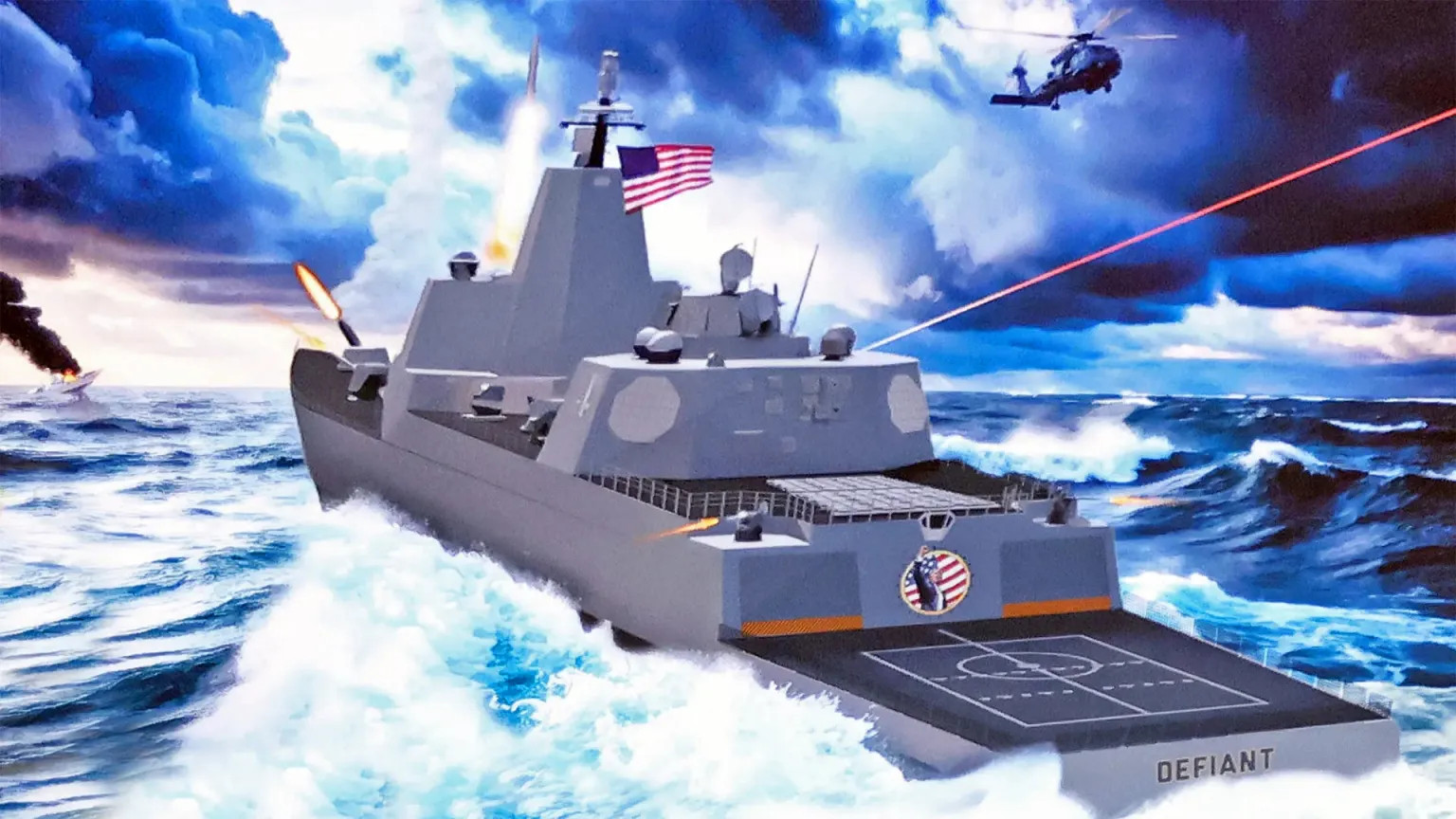
- Navy chief admits service erred by dropping nuclear surface ships after Cold War.
- Adm. Caudle backs nuclear Trump class battleships to reverse the mistake.
- Iran operations exposed fueling limits of conventionally powered Navy ships.
The U.S. Navy’s top officer admitted the service’s decision to stop building nuclear-powered surface combatants after the Cold War ranks among its most serious strategic errors. Chief of Naval Operations Adm. Daryl Caudle made the rare public admission during testimony before the House Armed Services Committee, endorsing the Navy’s plan to power the next-generation Trump class battleships with nuclear reactors.
Adm. Caudle’s comments came as the service grapples with operational challenges tied to fueling conventionally powered ships, particularly in contested regions like the Persian Gulf. He pointed to recent operations against Iran as a prime example where logistical hurdles slowed response times and increased vulnerability. The issue gained attention after reports detailed how U.S. ships faced delays and risks while refueling in contested waters.
Why Nuclear Power Matters for Future Warships
The shift away from nuclear surface combatants began in the 1990s as the Navy prioritized smaller, more agile destroyers and cruisers over massive battleships. That decision left the fleet without large, long-endurance surface vessels capable of sustained high-speed operations without refueling. The Trump class, expected to replace aging Zumwalt-class destroyers, is set to reverse that trend with nuclear propulsion.
Acting Secretary of the Navy Hung Cao and Marine Corps Commandant Gen. Eric Smith joined Adm. Caudle in supporting the nuclear-powered design, testifying that energy independence and operational flexibility are now top priorities. The Trump class is expected to carry advanced weapons, including hypersonic missiles and directed-energy systems, requiring steady, high-output power only nuclear reactors can reliably provide.
Fueling Challenges Highlighted in Iran Operations
A recent report by The War Zone documented how U.S. Navy ships faced fuel shortages and resupply delays during patrols near Iran, forcing commanders to adjust operational tempos and expose ships to greater risk. The incidents underscored the vulnerability of conventionally powered vessels operating in contested environments where enemy action or diplomatic restrictions could disrupt fuel supplies.
Nuclear-powered ships eliminate these constraints, allowing for indefinite high-speed operations without dependence on foreign ports or vulnerable supply chains. The Trump class is designed to operate across vast ocean expanses, from the South China Sea to the Arctic, without the logistical burdens of traditional fuel logistics.
Congress Presses for Details on Ship Design and Cost
Members of the House Armed Services Committee pressed the Navy brass for specifics on the Trump class’s size, armament, and projected cost during the hearing. Concerns were raised about whether the nuclear-powered design would drive up expenses at a time when the Pentagon faces budget constraints and competing priorities. Adm. Caudle acknowledged cost concerns but argued that long-term savings in fuel and maintenance would outweigh initial investments.
The Navy has not yet released detailed specifications for the Trump class, but industry analysts expect it to draw on technologies developed for the Columbia-class ballistic missile submarines, which also use nuclear propulsion. The class is expected to enter service in the late 2030s, though some lawmakers questioned whether the timeline could slip due to technical or budgetary challenges.
Looking ahead, the Navy’s embrace of nuclear power for surface combatants signals a potential return to the era when battleships like the USS Iowa dominated the seas. The move reflects a broader shift in military strategy toward greater endurance, firepower, and operational freedom in an era of rising great-power competition.
What You Need to Know
- Source: The Drive
- Published: May 14, 2026 at 20:08 UTC
- Category: War
- Topics: #military · #weapons · #conflict · #war · #nuclear · #powered-trump-class
Read the Full Story
This is a curated summary. For the complete article, original data, quotes and full analysis:
All reporting rights belong to the respective author(s) at The Drive. GlobalBR News summarizes publicly available content to help readers discover the most relevant global news.
Curated by GlobalBR News · May 14, 2026
Related Articles
🇧🇷 Resumo em Português
A Marinha dos EUA avança com um plano ousado para corrigir erros do passado: navios de guerra de batalha movidos a energia nuclear, batizados como “classe Trump”, prometem redefinir o poderio naval americano e reacender a rivalidade estratégica global. Segundo o almirante Daryl Caudle, chefe da Marinha, esses gigantes do mar não só compensariam a redução de embarcações nucleares de superfície após a Guerra Fria, como também responderiam às crescentes ameaças, como os desafios impostos pelo programa nuclear do Irã. A proposta, ainda em fase de discussão, sinaliza uma guinada tecnológica e militar que pode reconfigurar o equilíbrio de forças no século XXI.
Para o Brasil, que tem na Marinha um dos pilares de sua defesa e soberania, a notícia é um lembrete da importância de investir em inovação tecnológica naval, especialmente em um cenário onde potências como China e Rússia também expandem suas frotas nucleares. A dependência do país de recursos como o pré-sal e a necessidade de proteger suas rotas comerciais tornam a autossuficiência em defesa marítima ainda mais crítica. Além disso, o debate sobre energia nuclear no Brasil — seja para fins civis ou militares — ganha novos contornos, exigindo transparência e discussões estratégicas para evitar desconfianças internacionais.
O próximo passo será observar como o Congresso americano reagirá ao projeto, que pode consumir bilhões de dólares, e se outras nações seguirão o exemplo dos EUA na modernização de suas frotas nucleares.
🇪🇸 Resumen en Español
Las Fuerzas Armadas de EE.UU. dan un giro histórico al apostar por los nuevos acorazados nucleares de la clase Trump, una apuesta que busca resarcir décadas de abandono de la energía atómica en sus buques de superficie. El almirante Daryl Caudle, jefe de operaciones navales, defendió este proyecto como la solución para recuperar la ventaja estratégica perdida desde el fin de la Guerra Fría.
La decisión llega en un contexto de crecientes tensiones globales, donde Irán —y su programa nuclear— se han convertido en un foco de inestabilidad, especialmente tras sus recientes desafíos en el suministro de combustible. Los nuevos acorazados, propulsados por reactores nucleares, garantizarían mayor autonomía y poder de fuego, superando las limitaciones de los buques convencionales. Para España y Europa, esto refuerza la necesidad de evaluar su propia dependencia energética en defensa y las lecciones aprendidas de la dependencia de combustibles fósiles, un tema cada vez más crítico en un escenario geopolítico volátil.
The Drive
Read full article at The Drive →This post is a curated summary. All rights belong to the original author(s) and The Drive.
Was this article helpful?


Discussion