Immigrants struggle to find affordable housing in Germany, exacerbating integration challenges.
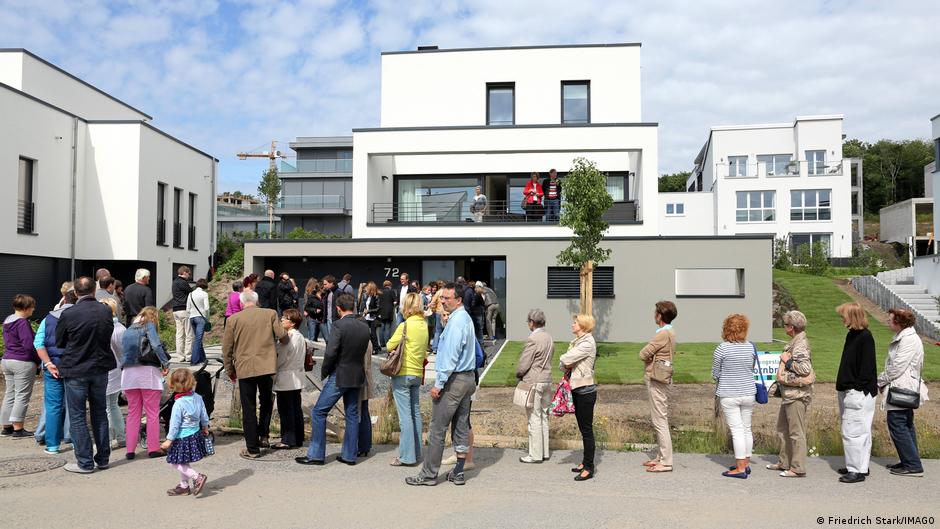
- Study finds immigrants face higher barriers to German rental housing
- Berlin’s top rentals cost €4,000/month while low-income units require renovations far from city centers
- Nationwide shortage of 1.4 million affordable apartments drives up prices
Immigrants in Germany are increasingly locked out of affordable housing, deepening social divides in a market already strained by soaring demand and limited supply. A new study highlights that newcomers face disproportionate barriers to securing rentals in cities like Berlin, where even modest apartments require renovations or sit on the outskirts, far from jobs and services.
The crisis reflects a nationwide shortage of 1.4 million apartments in lower and middle price ranges, a gap that has persisted despite Germany’s population growth of 3.7 million since 1990—nearly all driven by immigration. In May 2026, a Berlin rental platform listed a 1076-square-foot apartment for €4,680 per month, including heating, while the cheapest available unit of 830 square feet—requiring renovations—was priced at just under €1,000 but located over 30 minutes from the city center by public transport.
High costs and discrimination squeeze newcomers
Experts attribute the housing gap to skyrocketing rents, limited inventory, and systemic bias. Landlords and real estate agents often favor tenants with higher incomes or German-sounding names, leaving immigrants—particularly those with foreign-sounding names or lower credit scores—at a disadvantage. Rental platforms and housing agencies have faced criticism for practices that indirectly exclude marginalized groups, including immigrants and low-income families.
Berlin, Hamburg, and Munich rank among the worst-affected cities, where average rents for a three-room apartment now exceed €1,800 per month. In economically strong rural regions, the situation is similarly dire, with some towns reporting vacancy rates below 1% for affordable units. The shortage has forced many immigrants to live in overcrowded conditions or commute long distances, further complicating integration and stability.
Economic and social ripple effects
The housing crisis isn’t just about shelter—it impacts education, employment, and social cohesion. Children of immigrant families often attend underfunded schools in high-rent districts, while adults struggle to secure stable jobs without a reliable address. The labor market suffers as well, with employers citing housing instability as a barrier to hiring immigrant workers in skilled roles.
Germany’s federal government has pledged €5 billion annually through 2029 to build 400,000 new apartments per year, including social housing units. However, critics argue the funding is insufficient to meet demand, and bureaucratic hurdles delay construction. Local municipalities, already stretched thin, are struggling to enforce anti-discrimination laws in housing, leaving many immigrants with few legal recourse options.
The issue has drawn international attention, with the European Union calling on member states to address housing discrimination as part of broader integration strategies. Germany’s federal anti-discrimination agency has reported a 12% rise in housing-related discrimination complaints since 2020, with immigrants and refugees the most frequent targets.
Without urgent action, the housing crisis threatens to widen inequality and slow Germany’s economic growth, as newcomers—critical to the country’s labor force—face mounting barriers to settling permanently.
What You Need to Know
- Source: Deutsche Welle
- Published: May 16, 2026 at 13:59 UTC
- Category: World
- Topics: #europe · #world-news · #study · #immigrants · #german
Read the Full Story
This is a curated summary. For the complete article, original data, quotes and full analysis:
All reporting rights belong to the respective author(s) at Deutsche Welle. GlobalBR News summarizes publicly available content to help readers discover the most relevant global news.
Curated by GlobalBR News · May 16, 2026
Related Articles
- Zimbabwe’s diaspora reshapes real estate and farming investment trends
- 🎉 250 Articles in World!
- Eurovision 2024 faces scrutiny over Israel’s participation amid war
🇧🇷 Resumo em Português
Um estudo recente na Alemanha jogou luz sobre um problema crescente que afeta milhares de imigrantes no país: a dificuldade cada vez maior de encontrar moradia acessível. A pesquisa, que analisou dados de cidades como Berlim e Munique, mostrou que estrangeiros enfrentam barreiras significativas para alugar ou comprar imóveis, um obstáculo que não só prejudica sua integração como também amplia as desigualdades no mercado de trabalho.
O levantamento, publicado por instituições alemãs, revela que imigrantes — especialmente aqueles de origem não europeia — são sistematicamente preteridos em processos de locação, muitas vezes por conta de preconceitos dos proprietários ou exigências burocráticas excessivas. Para o Brasil, que recebe uma crescente comunidade de estudantes, profissionais e refugiados alemães em busca de melhores oportunidades, o estudo serve como um alerta: o acesso à moradia digna é um pilar fundamental para a integração social e econômica, e sua falta pode perpetuar ciclos de exclusão. Além disso, a Alemanha é um destino comum para brasileiros que buscam qualificação profissional ou emprego qualificado, o que torna o tema ainda mais relevante para os leitores de língua portuguesa.
Se não houver medidas urgentes para combater essa discriminação no mercado imobiliário alemão, o risco é que a situação se agrave, afetando não apenas os imigrantes, mas também a coesão social do país.
🇪🇸 Resumen en Español
Un estudio alemán ha sacado a la luz una realidad preocupante: los inmigrantes enfrentan obstáculos cada vez más pronunciados para acceder a viviendas asequibles, lo que amenaza con profundizar las brechas sociales y laborales en el país.
La investigación, que analiza datos de grandes ciudades como Berlín y Múnich, revela que los recién llegados —especialmente aquellos con perfiles no europeos— pagan alquileres más altos en proporción a sus ingresos y son sistemáticamente rechazados en barrios con mayor demanda. Este fenómeno no solo frena su integración, sino que agrava la escasez de mano de obra en sectores clave, donde la vivienda accesible es un requisito para atraer talento extranjero. Para los hispanohablantes, la lección es clara: la Alemania que aspira a ser un imán de diversidad enfrenta un desafío crítico en el acceso a un derecho básico, lo que podría redefinir su atractivo migratorio en el futuro.
Deutsche Welle
Read full article at Deutsche Welle →This post is a curated summary. All rights belong to the original author(s) and Deutsche Welle.
Was this article helpful?



Discussion