Trump and Netanyahu’s Iran regime change plan stalled after months of strikes and failed talks.
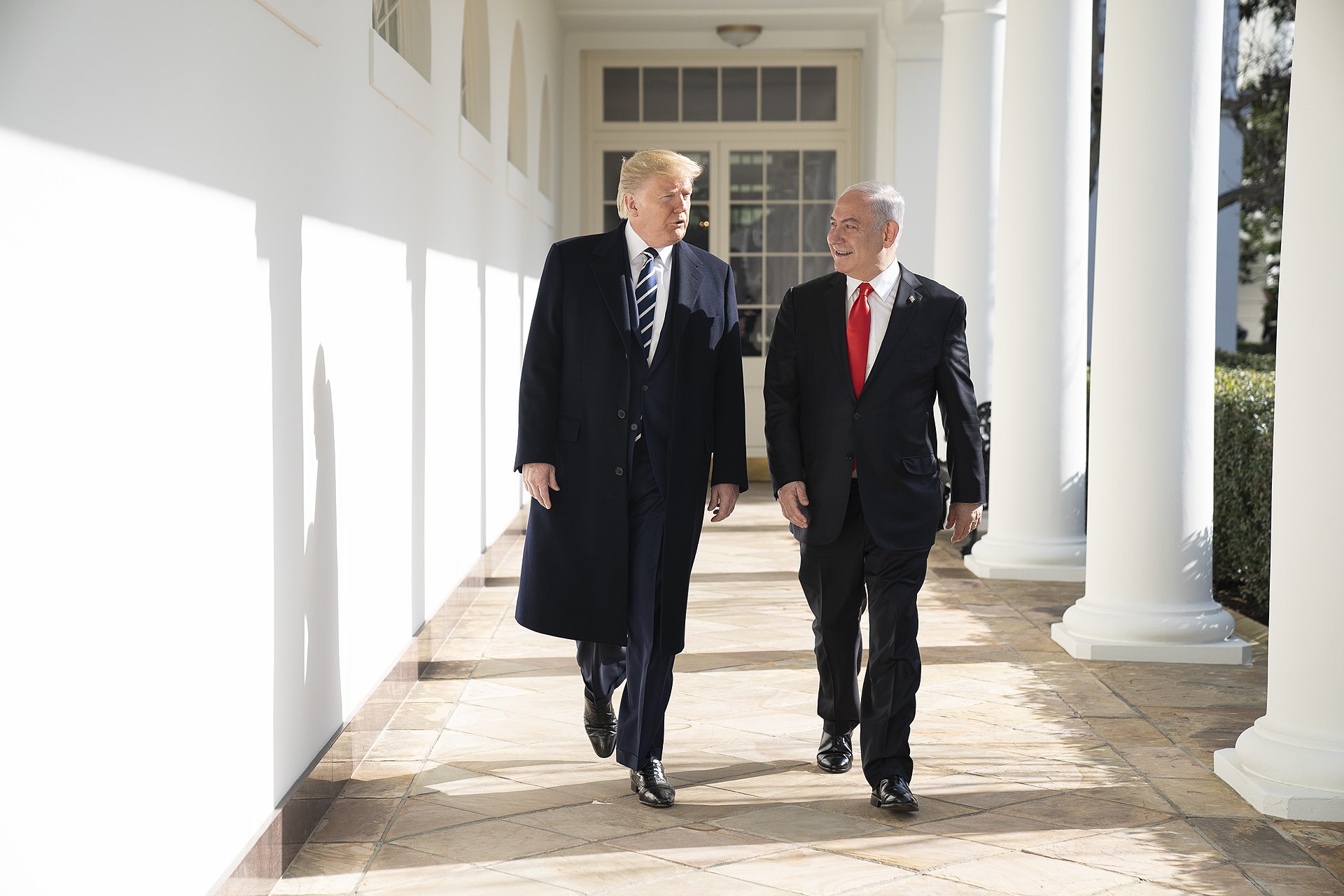
- Trump and Netanyahu hoped to spark an Iranian uprising after months of strikes
- A month-long ceasefire paused fighting but didn’t revive their regime change plan
- Failed talks led to a planned blockade of the Strait of Hormuz instead
Last spring, Donald Trump and Benjamin Netanyahu sold their Iran strategy as more than just airstrikes. They promised Phase II—a way to turn Iranian anger into regime change. But after a month of heavy bombing and a shaky ceasefire, their grand plan has collapsed into confusion. The goal was simple: weaken Iran’s leaders enough that the people would rise up. The reality? Iran’s government is still standing, its people aren’t rebelling on cue, and the U.S. and Israel are left scrambling for the next move.
The past month’s combat started with a bang—Israeli strikes on Iranian nuclear sites and U.S. support for regional allies. But the fighting didn’t trigger the protests or fractures in Iran’s leadership that Trump and Netanyahu expected. Instead, Iran’s government tightened its grip, using the crisis to rally public support under the banner of resistance. The strikes only hardened Iranians’ view of the U.S. and Israel as aggressors, not liberators. Now, with a fragile ceasefire holding, the two leaders face a brutal truth: their best-laid plans failed.
Failed talks in Doha made things worse. Iran refused to negotiate under pressure, and the U.S. and Israel had no real concessions to offer. The result? A new threat: a blockade of the Strait of Hormuz, a move that could strangle global oil supplies and drag the world into a wider conflict. It’s a gamble that risks turning regional tensions into a global economic crisis. The question now isn’t just whether Iran will collapse—it’s whether the U.S. and Israel will escalate further, or admit their plan was never realistic.
This isn’t the first time outsiders have misjudged Iran’s resilience. In 2019, Trump abandoned the nuclear deal and imposed brutal sanctions, betting Iran would cave. It didn’t. Instead, Iran doubled down, expanding its missile program and supporting militias across the Middle East. Now, with the same playbook, Trump and Netanyahu are repeating history. Their strikes and rhetoric are meant to show strength, but they’re also a sign of desperation—a last-ditch effort to force change without a clear path forward.
The bigger problem? Iran’s government isn’t just surviving—it’s adapting. The IRGC Islamic Revolutionary Guard Corps is more entrenched than ever, using the crisis to purge dissent and tighten control. Iran’s economy, while hurting, isn’t collapsing under sanctions or strikes. And the public? Most Iranians blame their own leaders for their struggles but fear foreign intervention even more. That’s why the U.S. and Israel’s regime change dream keeps hitting a wall.
So where does this leave Trump and Netanyahu? Stuck between two bad options. They can double down on strikes and threats, risking a wider war. Or they can admit their plan failed and try to negotiate from a position of weakness. Neither choice looks appealing. The irony? Their biggest mistake wasn’t the airstrikes—it was assuming Iran’s people would do their dirty work for them.
The next few weeks will decide whether this standoff escalates into something far uglier. If the Strait of Hormuz blockade goes ahead, expect oil prices to spike and tensions to rise. If it doesn’t, the U.S. and Israel will have to confront the fact that their Iran strategy is broken. Either way, Iran’s leaders are breathing easier tonight.
What You Need to Know
- Source: War on the Rocks
- Published: April 13, 2026 at 07:15 UTC
- Category: War
- Topics: #defense · #military · #geopolitics · #war · #conflict · #regime-change
Read the Full Story
This is a curated summary. For the complete article, original data, quotes and full analysis:
All reporting rights belong to the respective author(s) at War on the Rocks. GlobalBR News summarizes publicly available content to help readers discover the most relevant global news.
Curated by GlobalBR News · April 13, 2026
Related Articles
- 🎉 250 Articles in War!
- 🎉 100 Articles in War!
- Tunisia protests surge as economy tanks and dissent arrests mount
🇧🇷 Resumo em Português
O sonho de uma mudança de regime no Irã, alimentado por Donald Trump e Benjamin Netanyahu, esbarrou na dura realidade dos fatos: meses de ataques aéreos, sanções sufocantes e tentativas frustradas de negociação não conseguiram derrubar o governo teocrático de Teerã. O que começou como uma promessa de transformar o Oriente Médio, com o apoio de aliados como Israel e os EUA, agora se mostra cada vez mais distante, revelando as limitações de uma estratégia baseada em pressão máxima e retórica belicosa.
O contexto por trás desse fracasso é complexo e repleto de nuances que escapam ao senso comum. Enquanto Trump e Netanyahu apostavam em uma campanha de desgaste para provocar um colapso interno no Irã, a realidade se mostrou mais resistente. O regime iraniano, embora enfrentando crises econômicas e protestos internos, conseguiu manter sua coesão graças a uma combinação de repressão interna e apoio externo, especialmente da Rússia e da China. Para o Brasil e os leitores de língua portuguesa, essa situação serve como um alerta sobre os limites do poder militar e da diplomacia coercitiva, mostrando que a história nem sempre segue os roteiros traçados por líderes ambiciosos. Além disso, o fracasso dessa estratégia reforça a importância de soluções negociadas, mesmo em cenários de alta tensão.
Agora, a pergunta que fica é: como Washington e Jerusalém vão se adaptar a essa nova realidade? A resposta pode definir não apenas o futuro do Irã, mas também a estabilidade de toda a região.
🇪🇸 Resumen en Español
El plan de Trump y Netanyahu para cambiar el régimen de Irán se desinfla tras meses de ataques y negociaciones infructuosas, dejando al descubierto las grietas de una estrategia que prometía mucho y entregaba poco. Lo que comenzó como una ofensiva combinada de presión militar y diplomacia coercitiva ha chocado contra la realidad geopolítica: Irán, lejos de doblegarse, ha reforzado su postura, mientras la comunidad internacional observa con escepticismo los límites de una alianza que, pese a su peso en Washington y Tel Aviv, carece del consenso necesario para imponer un cambio de gobierno desde fuera.
El fracaso de este enfoque no es solo un revés táctico, sino un recordatorio de los riesgos de subestimar la resiliencia de los regímenes autoritarios y la complejidad de desestabilizar un Estado con alianzas regionales sólidas. Para los hispanohablantes, la lección trasciende Oriente Medio: demuestra que, en conflictos donde la fuerza bruta choca con equilibrios históricos, las soluciones pasan por el diálogo y la contención, no por la escalada. Además, expone las tensiones entre quienes abogan por la confrontación directa y quienes, incluso entre aliados clave como EE.UU., ven en la moderación —o al menos en la prudencia— la única vía para evitar un escenario aún más peligroso.
War on the Rocks
Read full article at War on the Rocks →This post is a curated summary. All rights belong to the original author(s) and War on the Rocks.
Was this article helpful?


Discussion