Sleep apps can worsen insomnia by adding stress and providing inaccurate data, new research shows.
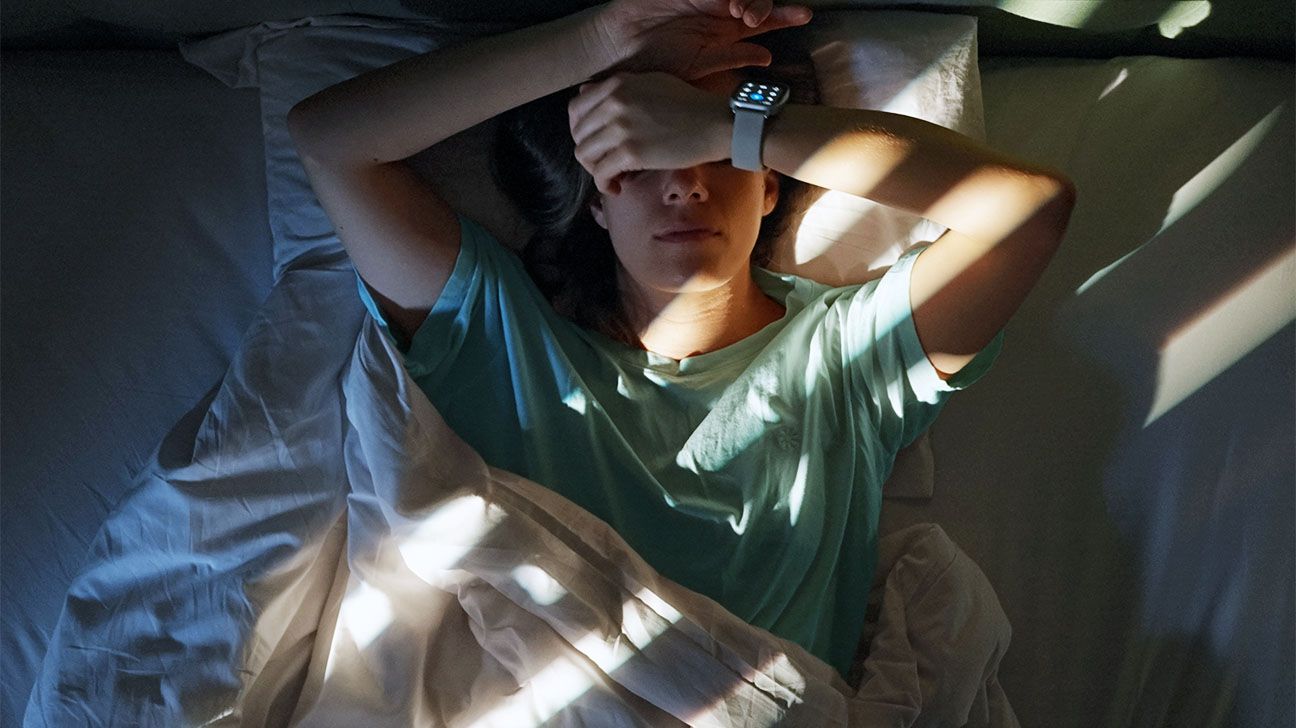
- Sleep apps can increase stress in people with insomnia, researchers found
- Apps often give an inaccurate picture of sleep quality and duration
- Constant monitoring may lead to orthosomnia, an unhealthy obsession with sleep
A new study published in Frontiers in Psychology raises concerns about sleep tracking apps, especially for people who struggle with insomnia. The research found these apps often increase stress rather than improve sleep quality. For people with insomnia, the constant pressure to meet sleep goals can make the problem worse instead of better. Researchers say sleep apps can give misleading data, leading to frustration and more sleepless nights. The study looked at how sleep monitoring affects people with insomnia differently than those without sleep issues. It turns out, people with insomnia are more likely to develop an unhealthy fixation on their sleep metrics. This condition, called orthosomnia, turns sleep into a performance problem rather than a natural process. Sleep apps promise better rest by tracking everything from sleep stages to heart rate. But for people with insomnia, the data often doesn’t match reality. A person might see their app report 4 hours of sleep but feel like they were awake the whole night. This mismatch can make insomnia worse by adding anxiety about not sleeping well enough. The researchers found that people with insomnia tend to check their sleep apps more often, which increases stress. The study points out that sleep apps aren’t useless—they can help some people, especially those without chronic insomnia. But for others, the apps create a cycle of stress and sleeplessness. The researchers suggest that people with insomnia should avoid relying on sleep apps for tracking. Instead, they recommend focusing on proven treatments like cognitive behavioral therapy for insomnia (CBT-I) or consulting a sleep specialist. Sleep apps can still be useful for understanding general sleep patterns, but they shouldn’t replace professional advice. The study also highlights a bigger problem: the wellness industry’s push for constant self-monitoring. Sleep apps are part of a larger trend where people track everything from steps to calories to stress levels. But when it comes to sleep, too much data can do more harm than good. The researchers warn that orthosomnia is becoming more common as sleep apps grow in popularity. They say the key is balance—using apps for insight but not letting them control your sleep anxiety. The study doesn’t say sleep apps should disappear, but it does suggest they need better guidelines for users with insomnia. The researchers call for more studies to understand how these apps affect different types of sleepers. Until then, people with insomnia might want to think twice before trusting their sleep data to an app. Doctors and sleep experts are already noticing more patients complaining about sleep apps worsening their insomnia. Some even say the apps make them feel like they’re failing at something as basic as falling asleep. The message is clear: sleep apps aren’t one-size-fits-all. What helps one person might hurt another, especially if that person already struggles with insomnia.
What You Need to Know
- Source: Healthline
- Published: May 17, 2026 at 00:02 UTC
- Category: Health
- Topics: #health · #wellness · #medicine · #tracking-your-sleep · #could-backfire · #you-have-insomnia
Read the Full Story
This is a curated summary. For the complete article, original data, quotes and full analysis:
All reporting rights belong to the respective author(s) at Healthline. GlobalBR News summarizes publicly available content to help readers discover the most relevant global news.
Curated by GlobalBR News · May 17, 2026
Related Articles
- Midlife fitness boosts lifespan and health by 5+ years study finds
- Why ‘Ballmaxxing’ May Be More Dangerous Than You Think
- Weight Loss Surgeries Decline as GLP-1 Use Skyrockets. Why This Matters
🇧🇷 Resumo em Português
Pesquisas recentes revelam que os aplicativos de monitoramento do sono, tão populares entre quem busca uma noite tranquila, podem estar piorando a insônia ao invés de ajudar. Um estudo recente mostrou que essas ferramentas, que prometem analisar a qualidade do descanso, acabam gerando ansiedade nos usuários, especialmente aqueles que já sofrem com problemas de sono, agravando ainda mais a condição.
O fenômeno, chamado de orthosomnia — um termo que combina “ortho” (correto) e “insônia” — está se tornando cada vez mais comum no Brasil, onde a busca por soluções rápidas para a saúde mental e física tem crescido, inclusive impulsionada pelas redes sociais. Especialistas alertam que, ao fornecer dados imprecisos ou alarmantes, como percentuais de sono profundo ou alertas sobre “noites ruins”, esses apps acabam criando um ciclo de preocupação que atrapalha ainda mais o descanso. No contexto brasileiro, onde o estresse e a rotina agitada já são grandes vilões do sono, a tendência é que o problema se agrave, especialmente entre jovens e profissionais que dependem de tecnologias para “otimizar” a vida.
Enquanto isso, médicos e pesquisadores recomendam cautela na hora de usar essas ferramentas e sugerem que o sono deve ser avaliado de forma mais holística, com acompanhamento profissional quando necessário.
🇪🇸 Resumen en Español
Las aplicaciones para dormir, diseñadas para medir el descanso nocturno, podrían estar empeorando el insomnio en lugar de aliviarlo, según advierte un estudio reciente. La investigación alerta sobre cómo estas herramientas tecnológicas no solo generan datos imprecisos, sino que también elevan los niveles de ansiedad en quienes las usan, un fenómeno conocido como ortosomnia.
El problema radica en que muchos usuarios confían ciegamente en las métricas de estas apps, que a menudo sobrestiman o subestiman la calidad del sueño, llevándolos a obsesionarse con alcanzar cifras irreales. Para personas con insomnio, esto puede desencadenar un círculo vicioso de estrés y frustración, empeorando sus problemas de descanso. La relevancia del estudio radica en que, pese a la popularidad de estas herramientas, su eficacia no está respaldada por evidencia científica sólida, lo que obliga a replantearse su uso como solución para el insomnio.
Healthline
Read full article at Healthline →This post is a curated summary. All rights belong to the original author(s) and Healthline.
Was this article helpful?

Discussion