France proposes stationing nuclear bombers in Europe to strengthen NATO deterrence.
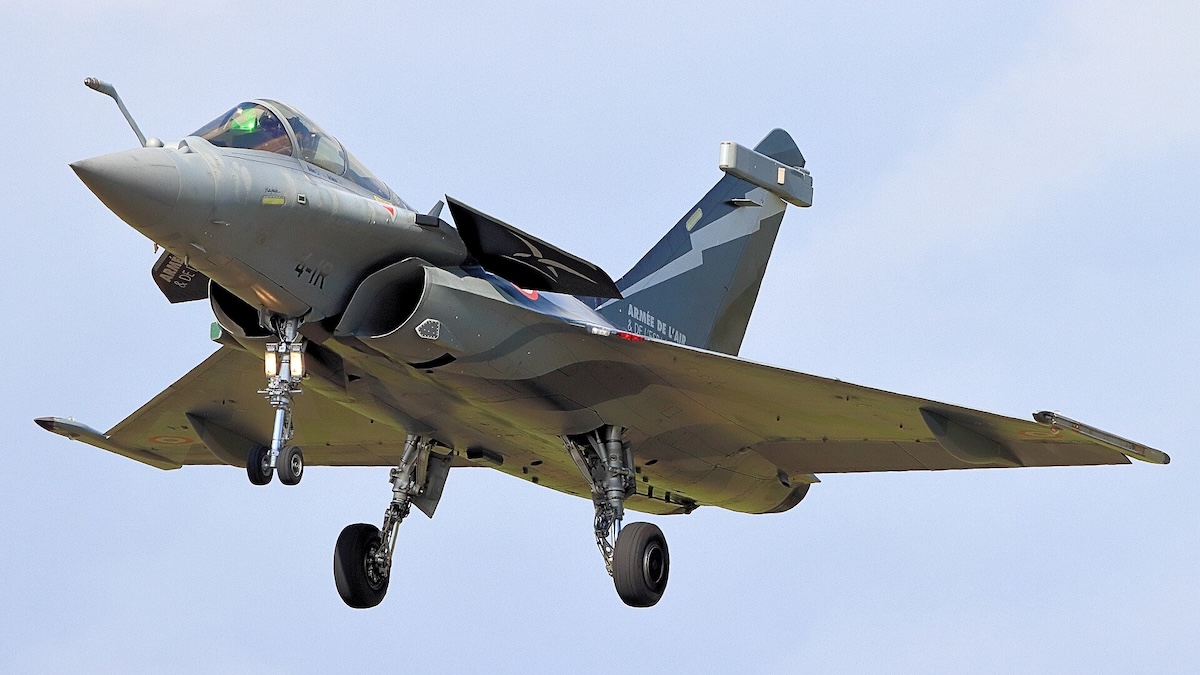
- France plans to deploy nuclear-capable jets to NATO allies for the first time
- Macron’s forward deterrence doctrine mimics submarine dispersal strategy
- Move aims to counter Russian threats amid Ukraine war tensions
French President Emmanuel Macron just flipped Europe’s defense playbook. In a major speech, he announced France will, for the first time ever, station its nuclear-capable warplanes on allied soil across Europe. The idea is simple: if they’re spread out, they’re harder to hit. It’s the same logic France uses with its ballistic missile submarines, which roam the ocean unseen. Now, Strategic Air Forces will do the same on land, parked at bases in countries like Germany, Poland, or the Baltics. The goal isn’t just to have planes ready—it’s to make sure no enemy can take them out in a first strike. That’s deterrence in action.
Why this move is different from NATO’s current nuclear sharing
France isn’t copying the U.S. model exactly. Right now, the U.S. keeps about 100 B61 nuclear bombs in Europe under a NATO program called nuclear sharing. These are low-yield bombs meant to be dropped by allied jets like Germany’s Tornado or Belgium’s F-16s. But France’s jets—likely Rafales—will carry their own nuclear warheads, not just U.S. bombs. That’s a first. It’s also a signal: France is stepping up as a nuclear power in Europe, not just standing by. Macron’s speech made that clear. ‘Our strategic air forces will dilute naturally across the continent,’ he said, borrowing the military term for spreading forces to avoid concentration.
The message to Russia—and NATO’s next steps
This plan isn’t just about France. It’s about sending a message to Moscow. Since Russia’s invasion of Ukraine, NATO’s eastern flank has been on edge. The alliance has already beefed up its presence in Poland and the Baltics with rotating troops. But Macron’s move goes further: it puts nuclear-capable assets closer to potential conflict zones. That makes it riskier for Russia to threaten a surprise attack. It also pressures NATO to decide how far it wants to go with nuclear sharing. So far, only a handful of allies—Belgium, Germany, Italy, the Netherlands, and Turkey—participate in the U.S. program. France’s offer could push others to join or at least reconsider their stance.
How France’s nuclear arsenal stacks up
France is Europe’s only nuclear power besides Britain, with a force de frappe of about 290 warheads. Most are on submarines, but around 50 are meant for air delivery via Rafale jets. By basing them in Europe, France is making its arsenal more visible—and more integrated into NATO’s defense plans. That’s a big shift. For decades, France kept its nukes independent, even leaving NATO’s military command structure in 1966. Now, it’s aligning more closely with allies, even if it’s not fully back in the fold. Macron’s speech also hinted at deeper cooperation: he floated the idea of joint exercises with allies using French nuclear assets. That’s uncharted territory for NATO.
What happens next—and the risks involved
Don’t expect French jets to land in Poland tomorrow. This is a long-term play. First, Macron needs to negotiate with potential host countries. Some, like Poland, might jump at the chance to host nuclear-capable jets. Others, like Germany, could hesitate over political opposition or treaty constraints. Then there’s the legal side. France’s nuclear doctrine is based on ‘strict sufficiency’—meaning it won’t build more bombs than it needs to deter an attack. But deploying them in Europe could blur the line between deterrence and escalation. If Russia sees French planes as part of a NATO strike package, it might respond by upgrading its own nuclear posture in Kaliningrad or Belarus.
The bigger question is whether this pushes NATO toward a more united nuclear strategy—or splits it further. France’s move could pressure the U.S. to deepen its own nuclear commitments in Europe. Or it could make some allies nervous about becoming targets. Either way, Macron’s speech has changed the conversation. Europe’s security isn’t just about troops and tanks anymore. It’s about who controls the nukes—and where they’re parked. The next few months will show whether allies embrace the idea or push back. One thing’s clear: the game in Europe just got more complicated.
What You Need to Know
- Source: War on the Rocks
- Published: April 10, 2026 at 07:30 UTC
- Category: War
- Topics: #defense · #military · #geopolitics · #war · #conflict · #disperse
Read the Full Story
This is a curated summary. For the complete article, original data, quotes and full analysis:
All reporting rights belong to the respective author(s) at War on the Rocks. GlobalBR News summarizes publicly available content to help readers discover the most relevant global news.
Curated by GlobalBR News · April 10, 2026
Related Articles
- 🎉 250 Articles in War!
- 🎉 100 Articles in War!
- Tunisia protests surge as economy tanks and dissent arrests mount
🇧🇷 Resumo em Português
A França surpreende o mundo ao oferecer pela primeira vez sediar bombardeiros nucleares em território europeu, uma jogada estratégica que redefine o tabuleiro da segurança continental. Com a proposta de instalar caças capazes de transportar armas atômicas em bases europeias, Paris busca reforçar a dissuasão contra ameaças como a Rússia, enquanto acirra debates sobre o futuro da OTAN e da defesa coletiva do continente.
O anúncio do presidente francês chega em um momento crítico, quando a Europa enfrenta a maior crise de segurança desde a Guerra Fria, com a guerra na Ucrânia e a crescente agressividade de Moscou. Para o Brasil, que mantém uma relação histórica de diálogo com a França — inclusive no campo da defesa — a medida pode ter desdobramentos indiretos, como o fortalecimento de alianças ocidentais que, em tese, alinhariam interesses de países latino-americanos preocupados com a instabilidade global. Além disso, a decisão francesa pode influenciar futuras negociações sobre desarmamento nuclear, um tema sensível também para a política externa brasileira, que defende a não-proliferação, mas sem abrir mão de sua própria soberania estratégica.
A jogada francesa deve acelerar discussões internas na OTAN, com países como Alemanha e Polônia pressionando por respostas rápidas, enquanto a Rússia já ameaça retaliar. Se concretizada, a medida não apenas reconfigurará a logística militar europeia, mas também poderá reacender o debate sobre a presença de armas nucleares em solo estrangeiro — um tema que, há décadas, divide opiniões no continente e além.
🇪🇸 Resumen en Español
Francia da un paso inédito en la era post-Guerra Fría al ofrecer desplegar sus bombarderos nucleares en Europa, una medida que redefine la disuasión estratégica de la OTAN y envía un mensaje de mayor compromiso francés con la defensa continental.
El anuncio de Emmanuel Macron llega en un momento de creciente tensión en el flanco oriental de la Alianza, donde la guerra en Ucrania ha reavivado los temores a una escalada nuclear. Aunque Francia ya cuenta con un arsenal atómico propio, su decisión de integrar sus cazabombarderos Rafale en los planes de disuasión colectiva de la OTAN —por primera vez desde la retirada de los Mirage IV en los 80— refuerza la credibilidad militar de Europa frente a Rusia y envía una señal de unidad transatlántica. Para los hispanohablantes, este movimiento subraya la fragilidad de un orden de seguridad que muchos daban por sentado tras la caída del bloque soviético y plantea interrogantes sobre cómo España y otros aliados contribuirán a esta nueva arquitectura defensiva.
War on the Rocks
Read full article at War on the Rocks →This post is a curated summary. All rights belong to the original author(s) and War on the Rocks.
Was this article helpful?


Discussion